
Fence Cost Calculator
Accurately estimate your perimeter installation expenses, compare linear footage and material pricing models (wood, vinyl, chain-link, or aluminum), and effortlessly connect with verified local contractors using our interactive cost estimator.
DIY removes professional labor from the estimate, but tools, equipment, permits, concrete, and waste disposal may still apply.
Without a ZIP code, this estimate uses a national planning baseline. Local labor and material prices vary by region.
Based on your inputs, this is a general planning estimate.
Estimated installed cost for your current fence dimensions across major materials.
- Estimate base material + labor cost per linear foot for the selected material and height.
- Apply a style adjustment based on your selected fence style.
- Add estimated gate allowances (walk-through, driveway, automatic).
- Add site-preparation adjustments for terrain, soil, access, and vegetation.
- Add existing fence removal cost if selected.
- Apply a conservative regional adjustment when a ZIP code is entered.
- For DIY installation, remove professional labor while keeping materials, gates, site prep, and removal.
FREE LOCAL FENCE QUOTES
Enter your ZIP code to compare licensed fence pros near you.
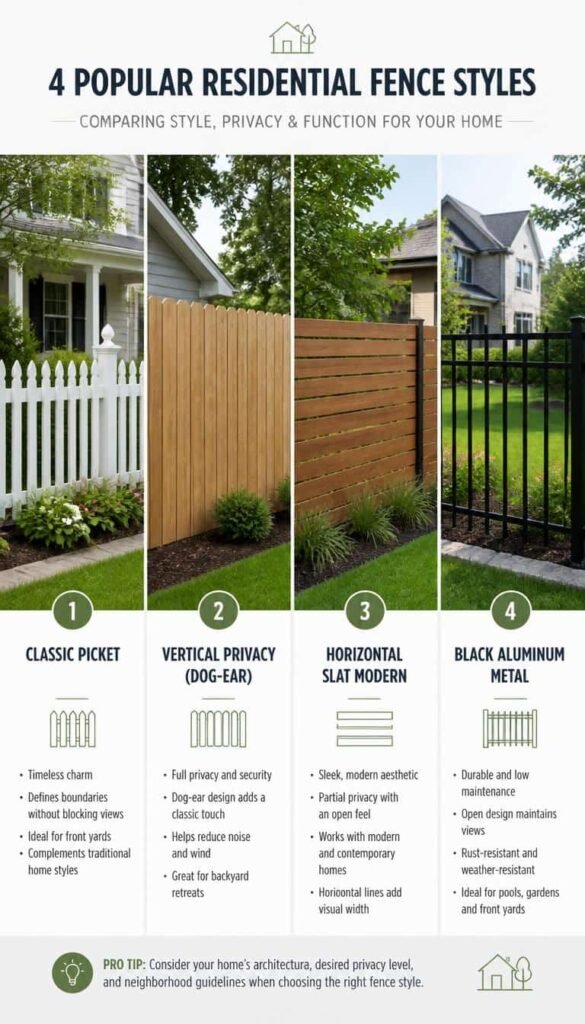
How Much Does a Fence Cost?
A professionally installed fence can cost anywhere from about $6 to $50 per linear foot, depending on the material, height, design, gates, terrain, and installation requirements. For many homeowners, the total project cost is several thousand dollars rather than a simple material-only expense.
A Real-World Fence Cost Example
Example EstimateThese are illustrative planning examples, not contractor quotes. Material, location, fence style, gates, terrain, removal, permits, and other project conditions can move the final price substantially.
What Determines the Total Fence Cost?
The biggest cost drivers are the amount of fencing you need and the material you choose. Height and fence style also matter because taller or more substantial systems generally require more material and installation work.
A 150-foot fence at $20 per linear foot would have a simple starting estimate of $3,000. At $35 per linear foot, the same 150-foot project would be approximately $5,250 before accounting for project-specific extras.
Fence Cost Is More Than the Fence Itself
Your project budget may also need to cover labor, gates, post installation, site preparation, permits, and removal of an existing fence.
For example, removing an old fence can add roughly $3 to $5 per linear foot. On a 150-foot replacement project, that could mean another $450 to $750 before disposal or other site work.
Gates can also make a noticeable difference. Current national cost data puts fence gates at roughly $150 to $2,000, depending on the type and project requirements.
Instead of relying on a single national average, enter your fence length, height, material, gates, installation method, site conditions, and other project details to build a more useful planning estimate.
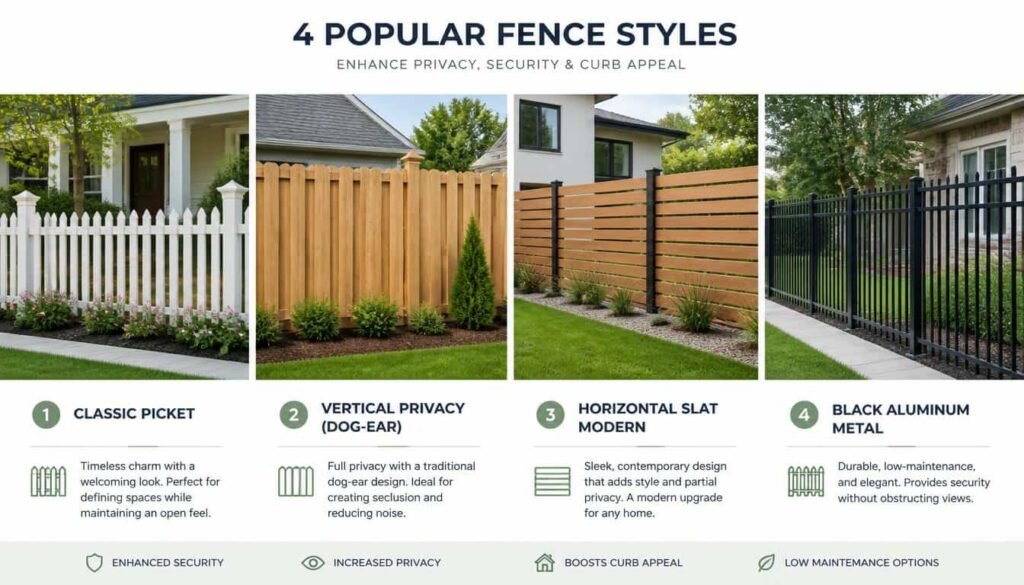
Fence Cost Per Linear Foot
Fence installation is often priced by the linear foot, making it one of the easiest ways to create a quick project estimate. Current national pricing can range from roughly $6 to $50 per linear foot, but the rate depends heavily on the fence material, height, gates, labor, terrain, and other project conditions.
How to Calculate Fence Cost Per Foot
Quick ExampleThese examples show how the same 150-foot fence can have very different project costs depending on the installed price per linear foot.
| Fence Length | $15/ft | $25/ft | $35/ft | $50/ft |
|---|---|---|---|---|
| 100 ft | $1,500 | $2,500 | $3,500 | $5,000 |
| 150 ft | $2,250 | $3,750 | $5,250 | $7,500 |
| 200 ft | $3,000 | $5,000 | $7,000 | $10,000 |
| 250 ft | $3,750 | $6,250 | $8,750 | $12,500 |
What Is Included in the Per-Foot Price?
A quoted price per linear foot may include some combination of materials, posts, installation labor, concrete, fasteners, and basic site preparation. However, not every contractor uses the same pricing structure.
Gates, old-fence removal, difficult digging, steep slopes, extensive clearing, permits, and other extras may be priced separately rather than included in the advertised per-foot rate.
Why Two Fences Can Have Different Per-Foot Costs
A 150-foot chain-link fence and a 150-foot privacy fence have the same linear footage, but they do not necessarily require the same materials, labor, posts, or installation process.
Height matters too. A 6-foot privacy fence generally requires more material than a 4-foot fence, while rocky soil, slopes, restricted access, or vegetation can increase installation time.
Fence length × installed cost per linear foot
For a more useful estimate, account for your fence material, height, gates, installation method, terrain, soil, existing fence removal, and other project-specific costs instead of multiplying linear footage by a single generic rate.
Fence Material Calculator: How Much Fencing Material Do You Need?
A fence material calculator helps estimate the quantities needed for your project, including posts, panels, pickets, rails, concrete, and other components. The exact materials depend on the fence type, spacing, height, gate locations, and installation system you choose.
Example: Materials for a 150-Foot Fence
Planning ExampleThis is a simplified planning example. Actual quantities vary by fence system, post spacing, corners, ends, gates, manufacturer specifications, and local installation practices.
What Materials Does a Fence Usually Need?
A fence is made up of more than the visible panels or boards. Depending on the design, your material list may include several different components.
How Do You Calculate Fence Materials?
Start with the total fence length and determine how the fence will be divided into sections. Post spacing is then used to estimate the number of posts, while the fence style determines the number of panels, pickets, rails, or boards required.
Fence length ÷ post spacing + end, corner, and gate posts
For example, 150 feet divided by 8-foot spacing gives about 19 spacing intervals. The final post count can be higher once corners, ends, and gates are included.
A panel fence, picket fence, chain-link fence, and split-rail fence use very different materials. A useful estimate should therefore consider your fence material, style, height, length, post spacing, and gates instead of applying one universal quantity formula.
Fence Cost by Material
Fence material is one of the biggest factors affecting the total project price. Wood, vinyl, chain link, aluminum, composite, and ornamental metal fences can have very different material, labor, maintenance, and installation costs. The right comparison depends on both the upfront price and the type of fence you need.
| Fence Material | Broad Installed Cost Range* | Common Characteristics | Typical Cost Drivers |
|---|---|---|---|
| Pressure-Treated Wood | $10–$45 / linear ft. | Flexible, widely available, many styles | Height, wood grade, style, staining |
| Cedar | $20–$45 / linear ft. | Natural appearance, commonly used for privacy fencing | Grade, height, design, finishing |
| Vinyl / PVC | $15–$55 / linear ft. | Low-maintenance, available in privacy and decorative styles | Height, profile, style, gates |
| Chain Link | $8–$40 / linear ft. | Practical and commonly used for boundary or security fencing | Height, gauge, coating, privacy slats |
| Aluminum | $17–$90 / linear ft. | Decorative, lightweight, and corrosion-resistant | Design, height, finish, gates |
| Composite | $11–$45 / linear ft. | Modern appearance with low-maintenance characteristics | System design, height, panels |
| Wrought Iron / Ornamental Metal | $25–$90 / linear ft. | Decorative and durable, often used for premium fencing | Design complexity, height, gates, fabrication |
| Split Rail | Varies by system | Open, rustic boundary fencing | Wood species, number of rails, wire mesh |
*Broad planning ranges compiled from current published fence-cost sources. Actual installed pricing varies by location, height, fence style, labor, gates, terrain, site preparation, and other project requirements. These ranges should not be interpreted as contractor quotes.
Wood Fence Cost
Wood fencing offers a wide range of styles and price points. Pressure-treated pine, cedar, and other wood species can produce very different estimates.
A 150-foot project at a hypothetical $25 per linear foot would start around $3,750 before project-specific additions such as gates, difficult terrain, or old-fence removal.
Vinyl Fence Cost
Vinyl fencing is commonly selected for privacy and low-maintenance applications. The total price depends on the profile, height, design, gates, and installation.
For example, a 150-foot fence priced at $35 per linear foot would represent about $5,250 before additional project costs.
Chain Link Fence Cost
Chain link can be used for basic boundaries, pet areas, security, and larger properties. Mesh height, wire gauge, coating, privacy slats, and gates can all change the estimate.
At a hypothetical $20 per linear foot, 150 feet would produce a starting estimate of approximately $3,000.
What Makes One Fence Material More Expensive?
Material price is only part of the equation. Some fence systems require more labor, heavier posts, specialized hardware, deeper footings, or more complicated installation.
Material Cost vs. Total Fence Cost
A lower material price does not automatically mean a lower total project cost. Installation labor, site preparation, gates, removal, and other extras can represent a significant portion of the final bill.
For example, two 150-foot fences may use materials with very different prices while having similar installation requirements. Conversely, a more expensive material can require a different installation process that changes the total project estimate.
This is why a useful fence cost estimate should calculate the material and installation components together rather than comparing material prices alone.
Example: Changing the Material Can Change the Budget Quickly
Suppose a homeowner needs 150 linear feet of fencing. At $20 per linear foot, the base estimate is $3,000. At $40 per linear foot, the same length becomes $6,000. The fence length has not changed—the material and installed pricing assumption has. Gates, terrain, removal, and other costs would then be added separately as applicable.
The Fence Cost Calculator can compare different fence materials using the same fence length, height, gates, installation method, and site conditions so you can see how the material choice changes the estimated project cost.
Fence Cost by Height
Fence height affects more than appearance. A taller fence usually requires more fencing material and can require larger or stronger posts, different installation requirements, and additional labor. The cost difference depends on the material and fence design.
| Fence Height | What Changes? | Potential Cost Impact | Common Considerations |
|---|---|---|---|
| 3 ft. | Less wall area and fewer materials | Often lower material requirement | Decorative and boundary applications |
| 4 ft. | Moderate material and post requirements | Usually below taller privacy systems | Pets, boundaries, picket-style fencing |
| 5 ft. | More material than lower fencing | Depends strongly on material and design | Application-specific height choice |
| 6 ft. | Greater wall area and material quantity | Often higher than 4-ft fencing | Privacy and backyard fencing |
| 8 ft. | Substantially more material and structural requirements | Can increase both materials and labor | Privacy, security, local rules |
Why Does a Taller Fence Cost More?
The most obvious difference is the amount of material covering each linear foot. A 6-foot fence has a much larger surface area than a 4-foot fence over the same length, particularly for solid privacy systems.
Taller fencing can also require different posts, additional structural support, deeper footings, or more installation effort depending on the fence system and local requirements.
Height Can Change the Cost Even When Length Stays the Same
Consider two privacy fences covering the same 150 linear feet. The fence length has not changed, but a 6-foot fence requires considerably more vertical coverage than a 4-foot fence.
This means comparing fences only by linear footage can be misleading. A useful estimate should account for both linear feet and fence height, along with the selected material and installation method.
150 ft. × 4 ft. height = 600 sq. ft. of fence face
150 ft. × 6 ft. height = 900 sq. ft. of fence face
Example: 150 Feet of Fence at Different Heights
Imagine a homeowner needs 150 linear feet of the same general privacy fence system. A 4-foot version has approximately 600 square feet of fence face, while a 6-foot version has approximately 900 square feet.
That's a 50% increase in fence face area before accounting for differences in posts, rails, installation, gates, or other components. The actual price increase will depend on the fence material and construction system rather than simply adding 50% to the final project price.
When estimating a fence project, enter the actual height you need rather than using a generic per-foot price. The Fence Cost Calculator uses fence height together with length, material, gates, installation method, and site conditions to produce a more useful project estimate.
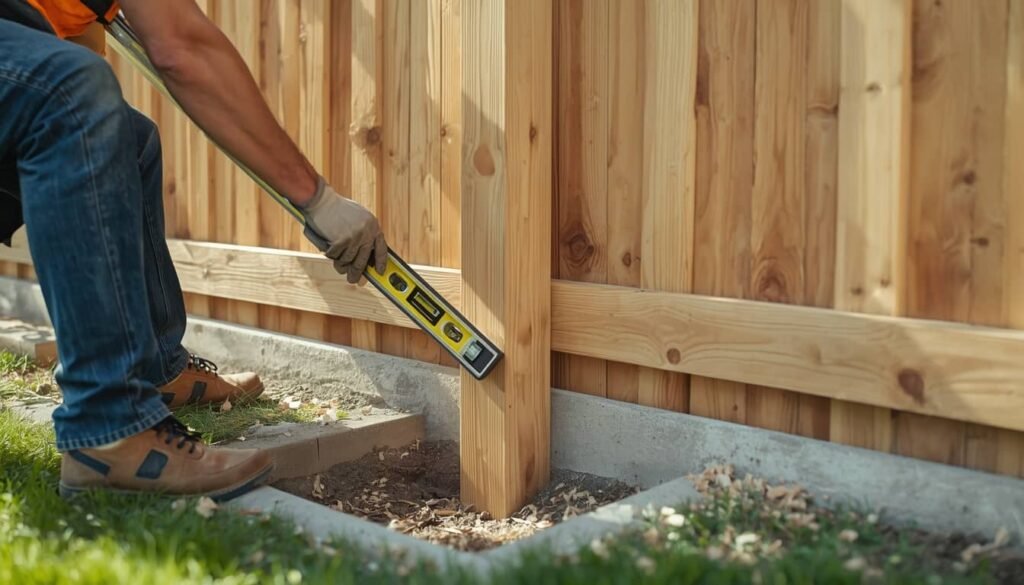
Fence Installation Cost: Labor and Site Preparation
Fence installation cost is more than the price of the fence material. Labor, digging, post setting, concrete, old-fence removal, terrain, vegetation, and access to the property can all affect the final project price. Understanding these costs helps you compare estimates and build a more realistic fence budget.
Fence Installation Labor
Professional installation covers tasks such as measuring the layout, setting posts, attaching panels or rails, installing gates, and finishing the fence. Labor is often a substantial part of the total installed cost, especially when digging or site access is difficult.
Post Installation
Every fence needs properly positioned posts, and the work involved can vary with soil conditions. Normal soil is generally easier to dig than rocky, compacted, or heavily rooted ground. Deeper or reinforced posts may also be needed for taller fences.
Site Preparation
Clearing brush, removing obstacles, leveling uneven ground, and making room for equipment can add to the project cost. A long fence on an open, level lot is usually simpler to install than the same length through dense vegetation or difficult terrain.
| Installation Factor | What It Can Include | Why It Affects Cost |
|---|---|---|
| Labor | Layout, digging, posts, panels, rails, gates, and finishing | More labor-intensive designs require more installation time. |
| Soil Conditions | Rocky, hard, compacted, or root-filled ground | Digging posts can take longer and may require additional equipment. |
| Terrain | Slopes, uneven ground, elevation changes | The fence may require additional layout, cutting, leveling, or custom installation. |
| Vegetation | Brush, trees, roots, weeds, or other obstacles | Clearing the fence path adds preparation work before installation. |
| Property Access | Narrow gates, limited equipment access, difficult backyard access | Moving materials and equipment can take longer. |
| Old Fence Removal | Taking down, hauling away, and disposing of an existing fence | Demolition and disposal are additional services beyond new installation. |
Why Site Conditions Matter
Two properties can need the same 150 linear feet of fencing but have very different installation costs. A level backyard with clear access is relatively straightforward. A sloped property with rocks, tree roots, or dense brush may require additional labor and preparation before the fence can be installed.
- Flat ground generally requires less layout and adjustment.
- Slopes can require stepped or specially adjusted fence sections.
- Rocky soil can make post-hole digging more difficult.
- Brush and roots may need to be cleared from the fence line.
- Limited access can increase material-handling time.
Installation Is Not Always a Simple Per-Foot Charge
A per-linear-foot estimate is useful for planning, but it does not capture every project condition. Some contractors include standard installation in their quoted price, while other estimates separate labor, removal, gates, grading, or site preparation.
When comparing estimates, check whether the quoted price includes posts, concrete, gates, cleanup, disposal, permits, and other preparation work. A lower per-foot number is not necessarily a lower total project cost if important items are excluded.
Example: 150 Linear Feet of Fence
Scenario: A homeowner needs 150 linear feet of 6-foot fencing on mostly level ground with normal soil, one walk-through gate, and easy backyard access.
If the installed fence rate were $25 per linear foot, the basic installation estimate would be approximately $3,750 before any separately priced extras.
If the property also required substantial brush clearing, difficult digging, or removal of an existing fence, the total project cost could be higher because those services add work beyond the basic fence installation.
Compare the Whole Project, Not Just the Labor Rate
When reviewing a fence estimate, look at the complete scope of work: materials, installation labor, posts and concrete, gates, site preparation, old-fence removal, cleanup, and any permit or access-related costs. This gives you a much clearer picture of what you will actually pay than comparing one per-foot number alone.
Fence Gate Cost
Fence gates can add a noticeable amount to the total cost of a fencing project. The price depends on the gate's size, material, design, hardware, installation, and whether it is a simple walk-through gate or a larger driveway gate.
Walk-Through Gates
A standard pedestrian gate is typically used for people entering a yard or side passage. These gates are smaller and generally require less material and hardware than driveway gates.
Driveway Gates
Driveway gates need a wider opening and stronger posts, hinges, and hardware. Double driveway gates can require more material and installation work than a single gate.
Automatic Gates
Adding an automatic opener introduces additional equipment and electrical or low-voltage work. The final cost can vary significantly depending on the gate design, opener, controls, and installation requirements.
| Gate Type | Typical Use | What Can Increase Cost |
|---|---|---|
| Walk-through gate | People entering a yard or side access | Premium material, decorative design, hardware, custom sizing |
| Single driveway gate | Vehicle access through a wider opening | Heavy construction, larger opening, reinforced posts and hardware |
| Double driveway gate | Wide vehicle access | Two gate leaves, additional hardware, stronger support posts |
| Automatic gate | Powered vehicle or pedestrian access | Gate opener, controls, wiring, sensors, installation, and electrical work |
Why Gates Cost More Than a Fence Section
A normal fence section mainly creates a continuous barrier. A gate must open and close repeatedly, so it needs hinges, latches, hardware, and stronger support. Wider or heavier gates may require reinforced posts to handle the additional load.
- Gate panels or sections add material.
- Hinges and latches add hardware costs.
- Gate posts may need additional reinforcement.
- Wide openings require more structural support.
- Automatic systems add equipment and installation work.
Gate Material Matters Too
Gate pricing should be considered together with the fence material. A basic chain-link gate has a different cost structure from a decorative aluminum, vinyl, cedar, composite, or ornamental metal gate.
Matching the gate to the fence can also affect the design and hardware required. A custom gate may cost more than a standard-size gate because it can require additional fabrication and installation work.
Example: Adding Gates to a 150-Foot Fence
Scenario: A homeowner is installing 150 linear feet of fencing and needs one walk-through gate plus one driveway gate.
The fence itself might be estimated from its material and installed cost per linear foot. The gates should then be treated as separate project components because their hardware, support posts, and installation requirements differ from ordinary fence sections.
For example, if the base fence estimate is $3,750 and the two gates together add $1,000, the combined project estimate becomes approximately $4,750 before other extras such as removal, difficult terrain, or site preparation.
Count Gates Separately When Estimating Fence Cost
When planning a fence budget, enter walk-through and driveway gates separately rather than assuming they are included in the basic per-foot price. This makes the estimate easier to understand and helps you compare contractor quotes that may include gates differently.
Fence Removal and Replacement Cost
Replacing an existing fence usually costs more than installing a new fence on a clear property because the old fence must first be removed and disposed of. The total replacement budget can include demolition, hauling, disposal, site cleanup, and preparation before the new fence is installed.
Old Fence Removal
Removal can include taking down fence panels, pulling posts, breaking up concrete, loading debris, and preparing the fence line for the replacement. The amount of work depends on the fence material and how securely the existing posts were installed.
Disposal and Cleanup
Old fencing has to be hauled away or otherwise disposed of. Wood, metal, vinyl, concrete, and other materials may require different handling. Cleanup can also become more involved when the old fence has deteriorated or collapsed.
New Fence Installation
After removal, the replacement fence is priced separately based on its length, material, height, gates, labor, and site conditions. A replacement project therefore has two major stages: removing the old fence and installing the new one.
| Replacement Cost Component | What It May Include | What Can Change the Cost |
|---|---|---|
| Fence removal | Taking down panels, rails, posts, and attached components | Fence type, post construction, condition, and length |
| Concrete removal | Breaking out or extracting concrete around existing posts | Number of posts and how deeply they are anchored |
| Hauling and disposal | Loading, transporting, and disposing of old materials | Debris volume, material type, and local disposal requirements |
| Site cleanup | Clearing debris and preparing the fence line | Vegetation, debris, uneven ground, and access |
| New fence | Materials, posts, concrete, gates, labor, and installation | Length, height, material, design, terrain, and gates |
How Much Can Fence Removal Add?
Removal costs vary widely because the condition and construction of the existing fence matter. A contractor may price removal by the linear foot, as a separate demolition charge, or as part of a complete replacement quote.
As a planning example, some current cost guides use roughly $3 to $5 per linear foot for basic fence removal. This is not a universal contractor rate and difficult demolition can cost more.
Replacement Is More Than Removal + New Fence
The condition of the ground after demolition can affect the replacement project. Old concrete footings, buried debris, roots, or damaged sections of the fence line may require additional work before new posts can be installed.
- Existing posts may need to be pulled or cut out.
- Old concrete may need to be broken or removed.
- Debris may require hauling and disposal.
- Vegetation may need to be cleared.
- The new fence line may need to be adjusted or prepared.
Example: Replacing a 150-Foot Fence
Scenario: A homeowner has an existing 150-foot fence that needs to be removed before installing a new 6-foot fence.
Using a planning allowance of $3 to $5 per linear foot, basic removal could represent approximately $450 to $750 for 150 feet before considering unusually difficult demolition, heavy concrete footings, or special disposal requirements.
If the new fence itself were estimated at $25 per linear foot, the new installation would be approximately $3,750. Adding the basic removal allowance would produce a preliminary project total of about $4,200 to $4,500, before gates, site preparation, or other extras.
Ask Whether Removal Is Included in the Fence Quote
When comparing replacement estimates, check whether the contractor's price includes old-fence removal, concrete removal, hauling, disposal, and cleanup. If those items are excluded, a quote that looks lower at first may not represent the complete replacement cost.
DIY Fence vs. Professional Installation
Installing a fence yourself can reduce the amount you spend on professional labor, but the project still requires materials, tools, layout, digging, post setting, and time. Professional installation adds labor cost while providing experienced installation and equipment. The right budget depends on the fence design, property conditions, and the amount of work you are prepared to handle yourself.
DIY Fence Installation
With a DIY project, you purchase the fencing materials and handle the installation yourself. This can reduce labor expenses, but you may need to rent or purchase tools and spend considerably more time measuring, digging, setting posts, and assembling the fence.
- Fence materials and hardware
- Post-hole digging and installation
- Concrete and post-setting materials
- Tools or equipment rental
- Gate installation
- Cleanup and disposal
Professional Installation
A professional fence installer typically handles the layout, preparation, post installation, fence assembly, gates, and cleanup according to the agreed scope. The price includes labor and may also include equipment and standard installation materials.
- Professional labor
- Layout and fence-line preparation
- Post installation
- Fence assembly and finishing
- Gate installation
- Job-site cleanup
| Cost or Consideration | DIY | Professional Installation |
|---|---|---|
| Fence materials | Paid directly by the homeowner | Usually included in the project estimate or supplied by the contractor |
| Labor | Homeowner provides the labor | Professional labor is included in the project price |
| Tools and equipment | May require purchasing or renting equipment | Often supplied by the installer |
| Installation experience | Depends on homeowner skill and available help | Handled by an experienced installer |
| Time commitment | Homeowner's time can be substantial | Contractor handles the installation work |
| Site challenges | Homeowner handles difficult digging and terrain | Installer may have equipment and experience for difficult conditions |
| Permits and local requirements | Homeowner may need to research and handle them | May be handled by the contractor depending on the agreement |
Where DIY Can Save Money
The largest potential DIY saving is professional installation labor. However, the amount saved is not simply the contractor's entire quoted price because a DIY project still requires materials, concrete, hardware, tools, delivery, disposal, and other project expenses.
Tool rental can also matter. A homeowner who already owns suitable tools may have fewer additional expenses than someone starting with no fencing equipment.
When Professional Installation May Involve More Work
Fence installation becomes more involved when the property has slopes, rocky soil, dense vegetation, difficult access, complex corners, multiple gates, or a taller fence. These conditions can increase the amount of labor required regardless of whether the fence is DIY or professionally installed.
Before starting a DIY project, check local requirements for property lines, permits, utility locations, fence height, and homeowner or neighborhood restrictions.
Example: A 150-Foot Fence
Scenario: A homeowner needs 150 linear feet of 6-foot fencing and estimates the installed professional price at $25 per linear foot.
The professional installation portion of that project would be part of the approximately $3,750 installed estimate. A DIY homeowner may avoid much of the professional labor cost, but would still need to pay for the fence materials, posts, concrete, gates, hardware, tools, delivery, and disposal.
The actual DIY savings therefore depend on the difference between the complete professional quote and the homeowner's complete material and project expenses.
Compare the Full DIY Cost With the Full Installed Cost
For a realistic comparison, add up every DIY expense before comparing it with a professional quote. Include materials, posts, concrete, hardware, gates, tools, delivery, permits if applicable, old-fence removal, and disposal. This gives you a clearer picture of the potential savings and the work involved.
How Many Fence Posts Do I Need?
Fence posts support the panels, rails, pickets, or mesh between them, so estimating the number of posts is an important part of planning a fence project. The total depends on the fence length, post spacing, corners, ends, gates, and the layout of the property.
Post Spacing
Many residential fences use posts spaced around 6 to 8 feet apart, although the required spacing varies by fence type, material, height, wind exposure, and the manufacturer's or installer's specifications.
Corners and Ends
A straight run is easier to estimate than a fence with multiple corners and termination points. Corners and ends generally require posts even when they do not fit neatly into the basic spacing calculation.
Gate Posts
Gates normally require dedicated support posts. Larger or heavier gates may need stronger posts or additional reinforcement, so gate openings should be considered separately from ordinary fence sections.
Basic Fence Post Formula
Round the result up to a whole number, then account for corners, ends, and gates. The actual number can differ depending on the fence layout and installation requirements.
| Fence Length | Approx. Posts at 6-ft Spacing | Approx. Posts at 8-ft Spacing | Approx. Posts at 10-ft Spacing |
|---|---|---|---|
| 50 ft | 10 | 8 | 6 |
| 100 ft | 18 | 14 | 11 |
| 150 ft | 26 | 20 | 16 |
| 200 ft | 35 | 26 | 21 |
| 250 ft | 43 | 33 | 26 |
Why Post Spacing Matters
Closer post spacing means more posts, more concrete, and potentially more digging. Wider spacing can reduce the number of posts, but the appropriate spacing depends on the fence system and structural requirements.
- Taller fences may require stronger support.
- Heavy materials can place greater loads on posts.
- High-wind locations may require closer spacing.
- Local building requirements may affect post spacing.
- Manufacturer specifications should be followed for prefabricated systems.
Do Not Forget Corner and Gate Posts
The simple length-and-spacing formula is a starting point rather than a complete material list. A real fence layout can contain corners, ends, changes in direction, and gates that require additional support.
For example, a 150-foot straight run using approximately 8-foot spacing works out to about 20 posts using the basic formula. A layout with multiple corners and a gate may require additional posts depending on how the fence is configured.
Example: 150 Feet of Fence at 8-Foot Spacing
Step 1: Divide the fence length by the planned spacing: 150 ÷ 8 = 18.75.
Step 2: Round up to the next whole number of fence sections: 19 sections.
Step 3: Add the starting post: 19 + 1 = approximately 20 posts for a simple straight run.
Corners, ends, gates, and other layout changes may increase the actual number required. This example is therefore a planning estimate rather than a final construction takeoff.
Use Post Spacing to Estimate More Than Just Posts
Once you estimate the number of posts, you can also use that figure to plan concrete, post caps, rails, brackets, and other installation hardware. For an accurate material list, always check the requirements for your specific fence material, height, style, and manufacturer.
How to Calculate Fence Length
Accurate fence length is one of the most important measurements in a fence cost estimate. The total linear footage affects the amount of fencing material, number of posts, labor, concrete, and other supplies you may need. Start with the actual fence line rather than simply estimating from the size of the property.
Measure Each Fence Run
If your fence has several straight sections, measure each section separately. Record the length of every side, including changes in direction, rather than assuming the property is a perfect rectangle.
Add the Sections Together
Once each fence run has been measured, add the lengths together. The total is the approximate linear footage of fencing required before accounting for gates, layout adjustments, or material-specific requirements.
Plan for Gates and Layout
Gate openings and corners can change the final material takeoff. Your contractor or fence manufacturer's system may use different methods for handling gate openings, posts, panels, and sections.
Basic Fence Length Formula
Measure every section that will actually contain fencing, then add those measurements together. Keep all measurements in the same unit, such as feet, before calculating your total.
| Fence Layout | Measurements | Total Fence Length |
|---|---|---|
| Simple straight run | 150 ft | 150 linear ft |
| Three-sided yard | 50 ft + 75 ft + 50 ft | 175 linear ft |
| Four-sided rectangular yard | 50 ft + 100 ft + 50 ft + 100 ft | 300 linear ft |
| Irregular yard | 45 ft + 70 ft + 38 ft + 62 ft + 40 ft | 255 linear ft |
Measure the Actual Fence Line
Property size and fence length are not always the same thing. A fence may follow only part of a property boundary, surround a backyard instead of the entire lot, or change direction around landscaping and structures.
- Measure along the planned fence line.
- Record each straight section separately.
- Include corners and changes in direction.
- Identify where gates will be located.
- Confirm the intended fence location before ordering materials.
Account for Property Shape
An irregular property can require substantially more fencing than a simple rectangular layout with the same general yard area. Curves, corners, setbacks, slopes, landscaping, and structures can all change the actual fence line.
For a property-boundary fence, also verify the property line before construction. A survey may be appropriate when the boundary is uncertain or disputed.
Example: Calculating Fence Length for Three Sides
Scenario: A homeowner wants to fence three sides of a backyard. The measurements are 50 feet, 75 feet, and 50 feet.
Add the three sections: 50 + 75 + 50 = 175 linear feet.
The homeowner would therefore start with approximately 175 linear feet when estimating the amount of fencing required. The final material order may differ slightly because of the fence system, panel dimensions, gate openings, corners, and installation requirements.
Use Linear Feet for Fence Cost Estimates
Once you know the approximate fence length, you can combine it with the expected installed cost per linear foot to create a preliminary budget. For example, 175 linear feet × $25 per foot = $4,375. Gates, removal, site preparation, terrain, and other project-specific costs can then be added separately.
What Affects Fence Installation Cost?
Fence installation cost depends on much more than the number of linear feet. Material, height, gates, labor, terrain, soil, access, removal, and the complexity of the fence layout can all change the final project price. Understanding these factors makes it easier to build a realistic budget and compare estimates.
Fence Length
Longer fences require more panels, posts, rails, concrete, hardware, and labor. Because many fence estimates are based partly on linear footage, adding another 50 or 100 feet can have a substantial effect on the total project cost.
Fence Material
Wood, vinyl, chain link, aluminum, composite, ornamental metal, and other materials have different material prices, installation requirements, durability, and design options. Material selection can therefore change the cost per linear foot significantly.
Fence Height
Taller fences generally require more material and may require stronger posts or additional installation work. A 6-foot privacy fence can therefore cost more than a 3- or 4-foot decorative fence even when both have the same length.
Gates
Walk-through gates and driveway gates add materials, hardware, support posts, and installation work. Automatic gates add another layer of equipment and installation requirements.
Terrain and Soil
Slopes, rocky soil, roots, and uneven ground can make layout and post installation more difficult. A straightforward level property may require less preparation than a site with challenging digging conditions.
Site Access and Preparation
Dense vegetation, narrow access, old-fence removal, grading, landscaping obstacles, and limited equipment access can increase the amount of work required before or during installation.
| Cost Factor | What Changes | Example Effect on a Project |
|---|---|---|
| Length | Quantity of fence materials and installation work | Increasing a project from 150 ft to 250 ft adds 100 ft of fencing. |
| Material | Material price, weight, design, and installation requirements | A $20/ft planning rate for 150 ft equals $3,000; a $40/ft rate equals $6,000. |
| Height | Material quantity, post requirements, and installation difficulty | A 6-ft fence generally requires more material than a 4-ft fence of the same length. |
| Gates | Gate panels, posts, hinges, latches, and hardware | A project with multiple gates requires additional components beyond the basic fence run. |
| Terrain | Layout, digging, leveling, cutting, and installation time | A sloped or uneven lot may require more labor than a level site. |
| Existing fence | Demolition, hauling, disposal, and cleanup | At $3–$5/ft, removing 150 ft could represent about $450–$750 as a planning allowance. |
Why Two Similar Fences Can Have Different Prices
Two homeowners may both need 150 linear feet of fencing, but their final costs can still be very different. One property might have a level, unobstructed fence line and a simple material. Another might have a steep slope, rocky soil, several gates, dense vegetation, and an existing fence that must be removed.
This is why a per-foot price is useful for an initial estimate but should not be treated as a guaranteed contractor quote.
Small Details Can Add Up
Individual extras may seem relatively small compared with the fence itself, but several can combine to change the project total.
- Additional gates
- Old-fence removal
- Brush or vegetation clearing
- Rocky or difficult soil
- Steep or uneven terrain
- Special hardware or decorative features
- Permits or property surveys where required
Example: Same Length, Different Project Conditions
Project A: 150 linear feet of fence at a planning rate of $20 per foot gives a base estimate of $3,000. The site is level, access is easy, and there is no old fence to remove.
Project B: The same 150 linear feet is priced at $35 per foot, producing a base estimate of $5,250. The difference could reflect a different material, greater height, more complex installation, or other project-specific conditions.
The important point is that 150 linear feet alone does not determine the final price. The complete project specifications matter.
Use All Major Cost Factors for a More Realistic Estimate
A useful fence cost estimate should consider length, material, height, gates, labor, terrain, soil, access, existing-fence removal, and site preparation. Including these factors gives you a more realistic planning range than multiplying linear feet by a single generic price.
Fence Cost Calculator Methodology
A fence cost calculator should do more than multiply linear feet by one average price. A realistic planning estimate considers the fence length, material, height, gates, installation method, site conditions, removal, and other project details that can affect the total cost.
1. Fence Length
The calculation starts with the total linear footage of the planned fence. Longer fence runs require more posts, panels, rails, pickets, concrete, hardware, and installation labor.
2. Material and Style
The selected material and fence style determine the base cost assumptions. Wood, vinyl, chain link, aluminum, composite, and ornamental metal can have very different material and installation costs.
3. Fence Height
Height can change the amount of material required and may affect posts, structural requirements, handling, and installation time. Taller privacy and security fences generally require a larger project budget.
4. Gates
Walk gates and driveway gates are estimated separately because they require additional frames, posts, hinges, latches, hardware, and installation. Automatic gates can involve additional equipment and electrical work.
5. Site Conditions
Terrain, soil, vegetation, property access, and other site conditions can change the amount of preparation and labor required. A level yard with easy access is different from a rocky or steep property.
6. Removal and Extras
If an existing fence must be removed, the estimate can include demolition, hauling, disposal, and cleanup. Other potential costs can include permits, surveys, grading, or specialized installation requirements.
| Calculation Component | What It Accounts For | Example |
|---|---|---|
| Fence length | Total linear feet of the fence | 150 ft of planned fencing |
| Base fence rate | Material and basic installation assumptions | $25/ft × 150 ft = $3,750 |
| Height adjustment | Additional material and installation requirements | A 6-ft fence may require more resources than a 4-ft fence. |
| Gates | Gate materials, hardware, posts, and installation | One walk gate plus one driveway gate adds separate costs. |
| Site conditions | Terrain, soil, vegetation, and access | Rocky soil or steep slopes can increase installation effort. |
| Fence removal | Demolition, hauling, disposal, and cleanup | 150 ft × $3–$5/ft = approximately $450–$750. |
| Regional adjustment | Differences in local labor and material pricing when applicable | A ZIP code can help provide a more location-specific planning estimate. |
Why the Calculator Uses a Cost Range
Fence installation prices vary considerably between projects and locations. Material prices, contractor labor rates, property conditions, fence design, and local market conditions can all change the final price.
For that reason, a planning range is more useful than presenting one number as though it were a guaranteed contractor quote.
National Estimates vs. Local Pricing
A national planning model provides a useful starting point when no location is supplied. Local pricing can be different because labor and material costs vary from one market to another.
When a ZIP code or regional location is available, the estimate can use a regional adjustment while still making clear that it is an estimate rather than a binding quote.
Example: How the Estimate Can Build Up
Suppose a homeowner plans a 150-foot, 6-foot fence and the selected material has a planning rate of $25 per linear foot. The base fence estimate is:
150 ft × $25/ft = $3,750
Now suppose the project also includes one walk gate and one driveway gate. Those gates are added separately because they require additional materials and installation.
If the existing 150-foot fence also needs to be removed, a planning allowance of $3–$5 per foot would represent approximately $450–$750 for removal before considering any other site work.
This example shows why the final project cost cannot be determined from fence length alone. Each additional project detail changes the estimate.
What the Estimate Does Not Guarantee
Calculator results are intended for budgeting and planning. They are not a contractor proposal, binding quote, or guaranteed final project price. Actual costs can change after a contractor evaluates the property, confirms measurements, checks soil and access conditions, selects exact materials, and determines local labor and permit requirements.
A Transparent Estimate Starts With the Project Details
The more accurately you describe the fence length, height, material, gates, installation method, site conditions, and existing fence, the more useful the resulting planning range becomes. The goal is to provide a practical estimate that helps homeowners understand the major costs before requesting project-specific quotes.
Frequently Asked Questions
Get answers to common questions about fence installation costs, cost per linear foot, materials, gates, labor, fence height, removal, DIY installation, and estimating the total cost of a new fence.
No matching questions found
Try searching for terms like "150 feet", "wood", "vinyl", "gate", "labor", or "linear foot".
A professionally installed fence commonly costs about $6 to $50 or more per linear foot, depending on material, height, gates, labor, and site conditions. For example, a 150-foot fence at $25 per linear foot would have a base estimated cost of about $3,750 before additional gates, removal, or difficult site work.
The final price can vary substantially because a basic chain-link fence and a tall decorative metal fence require very different materials and installation work.
Fence installation can cost roughly $6 to $50 or more per linear foot, depending on the fence material, height, labor, gates, and property conditions. A 150-foot fence priced at $15 per foot would be about $2,250, while the same length at $35 per foot would be about $5,250 before additional project costs.
Per-linear-foot pricing is useful for creating a preliminary budget, but it should not be treated as a guaranteed contractor price.
A 150-foot fence could cost approximately $2,250 at $15 per linear foot, $3,750 at $25 per foot, or $5,250 at $35 per foot. These figures are planning examples rather than quotes, because the actual cost depends on material, height, gates, labor, terrain, soil, access, and whether an existing fence must be removed.
For example, a simple level-site fence with no removal may cost considerably less than a similar-length fence with multiple gates and difficult terrain.
A 200-foot fence could cost about $3,000 at $15 per linear foot, $5,000 at $25 per foot, or $7,000 at $35 per foot. These are simple planning examples that exclude or simplify some project-specific expenses, such as gates, old-fence removal, difficult digging, permits, landscaping, and unusual site conditions.
Increasing the fence length increases material quantities and installation work, so accurate measurements are important before estimating the total project budget.
Chain-link fencing is often among the lower-cost options for basic fence installation, although the least expensive choice depends on height, gauge, coating, gates, labor, and local pricing. Basic wood fencing can also be relatively affordable, while vinyl, composite, aluminum, and ornamental metal typically have different material and installation costs.
The lowest upfront price is not necessarily the only consideration. Maintenance, expected lifespan, privacy, appearance, and repair requirements can affect the long-term value of a fence.
Wood fence installation can range broadly from about $10 to $45 or more per linear foot, depending on the wood species, fence style, height, labor, and site conditions. A 150-foot wood fence at a $25-per-foot planning rate would equal approximately $3,750 before additional gates, removal, or difficult site work.
Pressure-treated pine, cedar, redwood, picket, privacy, shadow-box, and board-on-board designs can all have different prices.
Vinyl fence installation can cost roughly $15 to $55 or more per linear foot, depending on fence height, style, quality, gates, labor, and site conditions. For example, 150 linear feet at $35 per foot would produce a planning estimate of about $5,250 before separate costs such as gates, removal, permits, or challenging site preparation.
Vinyl is available in privacy, picket, semi-private, and decorative styles, so the selected design can affect the final cost.
Chain-link fence installation can cost roughly $8 to $40 or more per linear foot, depending on height, wire gauge, coating, posts, gates, labor, and site conditions. A basic 150-foot chain-link project priced at $20 per foot would have a planning base of approximately $3,000 before additional gates, removal, or unusual installation requirements.
Galvanized and vinyl-coated chain link can have different material costs, while privacy slats and taller fencing can increase the overall project price.
Fence installation labor is often included in the installed price rather than charged as a separate line item, and labor can represent a substantial portion of the project. The amount depends on fence length, material, height, terrain, soil, access, layout complexity, and local contractor rates.
Installation typically involves measuring and laying out the fence, digging post holes, setting posts, installing panels or rails, attaching gates, and completing the necessary hardware and cleanup.
A fence gate can cost from roughly $150 for a basic walk-through gate to $2,000 or more for larger, heavier, or specialized gates. Driveway gates generally cost more than walk gates because they require larger frames, stronger posts, additional hardware, and more installation work. Automatic gates can add equipment and electrical costs.
Gate prices depend on material, width, design, hardware, automation, and whether new support posts are required.
Fence removal can add roughly $3 to $5 per linear foot as a general planning allowance, although difficult demolition, concrete removal, hauling, and disposal can increase the cost. Removing 150 feet of old fencing at $3 to $5 per foot would represent approximately $450 to $750 before additional site cleanup or unusual conditions.
When replacing a fence, ask whether removal and disposal are included in the contractor's installation estimate or priced separately.
A simple estimate for fence posts is the fence length divided by the planned post spacing, then adjusted for the actual layout. For example, a 150-foot straight fence with posts spaced about 8 feet apart requires roughly 19 fence sections and about 20 posts before adding extra posts for corners, ends, and gates.
Actual post counts depend on the fence system, manufacturer requirements, corners, changes in direction, gates, and local installation practices.
To calculate how much fence you need, measure each section of the planned fence line in feet and add the measurements together. For example, three sides measuring 50, 75, and 50 feet require 175 linear feet of fencing. Add separate measurements for additional sections, changes in direction, and planned fence runs.
Accurate measurements are important because linear footage affects panels, posts, rails, concrete, labor, gates, and the total project estimate.
Yes, fence height can affect the total cost because taller fences generally require more material and may require stronger posts, additional structural components, and more installation work. For example, a 6-foot fence has 50% more fence face area than a 4-foot fence of the same length, although the total price does not necessarily increase by exactly 50%.
Height requirements can also depend on privacy goals, security needs, local regulations, and the selected material.
DIY fence installation can reduce the professional labor portion of the project, but it does not eliminate the cost of materials, posts, concrete, gates, hardware, tools, equipment, delivery, or disposal. The amount saved depends on the fence type, project size, site conditions, and whether you already own the required tools.
A realistic DIY budget should include both the direct material costs and the value of your time, especially for large or technically difficult installations.
To use a fence cost calculator, enter your fence length, height, material, installation method, gates, and relevant site conditions. The calculator can then estimate the total project cost, cost per linear foot, materials, labor, gates, removal, and other expenses. Adding accurate measurements and project details generally produces a more useful planning estimate.
If the calculator accepts a ZIP code, it may also apply a regional adjustment to account for differences in typical labor and material pricing.
Our Trusted Sources
Our fence cost estimates, material comparisons, installation guidance, and planning information are informed by recognized building-code organizations, fencing industry standards, government research, wood science resources, and construction labor data.
Fence installation costs depend on many variables, including fence length, material, height, gates, labor, soil conditions, terrain, access, removal, and local requirements. We use multiple independent technical, government, and industry sources to support the educational information behind our estimates. Cost figures are intended for planning purposes and should not be treated as a guaranteed contractor quote.
Related Calculators
Explore more Calculante tools to help you plan your fence project, estimate material quantities, calculate concrete and base materials, and understand the costs involved before installation begins.
A fence project involves more than choosing a material and multiplying the length by a price per foot. Planning may also involve post spacing, concrete, site preparation, gates, finishing materials, and other project requirements. These related Calculante tools help you estimate individual parts of the project so you can build a more complete budget.