
Roof Repair vs. Replacement Calculator
Compare localized patch costs against full system installation, evaluate material lifespans, and determine the most financially sound choice for your home using our interactive decision engine.
Roof Repair vs. Replacement Analysis
Evaluating whether to patch or completely overhaul your roof depends heavily on your roof's age, remaining useful life, and upfront repair expense relative to full replacement cost.
- Roof Area:
- 2,000 sq. ft.
- Roof Age / Expected Life:
- 15 / 25 Years
- Repair Estimate:
- $1,200
- Replacement Estimate:
- $14,250
- Upfront Cost Difference:
- $13,050
- Damage Extent:
- Small / Localized
Educational planning comparison only. Actual decisions should factor in hidden structural damage, warranty terms, and professional contractor inspection results.
Upfront Cost Comparison
Side-by-side comparison of immediate out-of-pocket expenses for repair versus full replacement.
Annualized Planning Cost
Compares the cost per year of extension from a repair versus long-term annual cost of a new roof.
FREE LOCAL ROOFING QUOTES
Enter your ZIP code to compare Licensed contractors near you.
Please enter a valid 5-digit ZIP code.
Roof Repair vs. Replacement: Which Option Is Right for Your Roof?
Evaluating whether to patch up local roof damage or invest in a full-scale roof replacement is one of the most significant choices a homeowner faces. Balancing immediate repair costs against long-term value requires analyzing roof age, material durability, and underlying structural integrity.
When to Repair a Roof
Targeted Solutions for Localized IssuesOpting for targeted roof damage repair is generally the most cost-effective approach when issues are isolated, your roof age is well within its expected lifespan, and the underlying roof decking remains sound and dry.
Minor, localized damage with 10+ years of remaining service life.
- Common Triggers: A handful of missing shingles, minor storm damage around flashing, or a single localized leak.
- Financial Impact: Lower upfront repair cost, making it an ideal short-term solution for healthy, middle-aged roofing systems.
When to Replace a Roof
Comprehensive Overhaul for Systemic FailuresA full roof replacement becomes necessary when systemic degradation, extensive structural damage, or old age compromise the entire system. Continuously pouring money into recurring repairs on an aging roof is often a false economy.
Widespread wear, compromised underlayment, or roof age past warranty.
- Common Triggers: Extensive granule loss, sagging roof decking, chronic leaks, or weather damage affecting over 30% of the surface.
- Financial Impact: Higher initial roof replacement cost, but delivers ultimate long-term value and peace of mind.
Weighing Repair Cost vs. Replacement Cost
When deciding whether you should repair or replace your roof, industry professionals look closely at the cumulative financial trajectory over time. Use this quick reference formula to gauge your position:
Expert Tip: Always secure a professional roof inspection and a detailed written estimate from a licensed roofing contractor before committing. Evaluating ventilation, attic conditions, and underlayment health prevents hidden surprises.
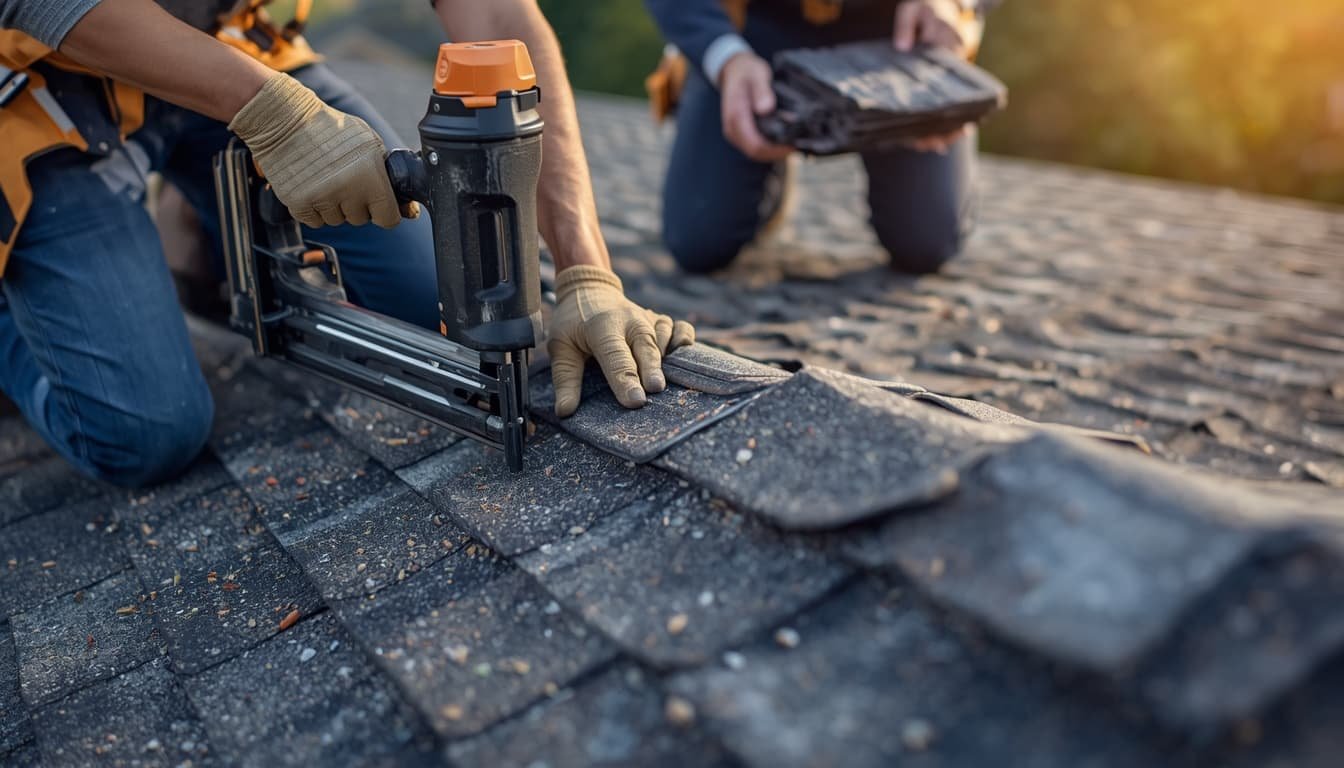
How Much Does Roof Repair Cost Compared to Replacement?
Roof repair and roof replacement represent very different scopes of work, so replacement generally involves substantially more labor, materials, preparation, and installation work than an isolated repair. Actual project expenses vary based on roof size, material selection, geographic location, labor rates, extent of damage, structural accessibility, and overall complexity.
Roof Repair Overview
Targeted Interventions- Usually addresses localized damage rather than whole-system wear.
- May involve replacing a few shingles, re-sealing flashing, or patching small leak areas.
- Generally features a smaller project scope and shorter duration.
- Can successfully extend the useful life of an otherwise serviceable, healthy roof.
Roof Replacement Overview
Comprehensive Overhauls- Removes and replaces a large portion or the entire roofing system.
- Involves substantially more raw materials, disposal requirements, and specialized labor.
- Frequently includes complete tear-off, fresh underlayment, flashing, ventilation upgrades, and decking evaluation.
- Provides an entirely new roofing lifecycle rather than treating isolated symptoms.
Why Roof Repair Generally Costs Less Upfront
From a financial perspective, a standard roof repair estimate focuses strictly on a restricted area of concern. Because the work crew targets a specific problem zone—such as a localized leak around a roof penetration or wind-damaged shingles—the project requires fewer raw materials, less heavy equipment, minimal tear-off effort, and a fraction of the time compared to a full overhaul. However, homeowners should note that a repair can still become expensive if the problem area is difficult to access, deeply embedded, or masking secondary issues beneath the surface.
Key Factors Influencing Roof Repair Cost
Every repair scenario is unique. Several distinct variables dictate the final roofing contractor estimate:
1. Type & Extent of Damage
Minor surface wear or a missing patch of shingles requires minimal labor, whereas multi-layered damage or structural leaks demand intensive corrective steps.
2. Roofing Material Match
Sourcing exact matching materials for older, discontinued, or premium roofing materials (such as specialty tiles or slate) can elevate specialized repair pricing.
3. Roof Accessibility & Pitch
Steep roof pitches, multi-story heights, or obstructed ground access increase safety requirements, slowing down the repair process.
4. Labor Rates & Region
Local economic conditions, regional contractor demand, and specialized craftsmanship directly influence everyday roofing labor costs.
5. Flashing & Penetrations
Fixing intricate chimney flashings, skylights, or plumbing vents requires precision detailing compared to standard shingle replacement.
6. Hidden Decking Issues
If rot or moisture has compromised the underlying roof decking underneath the repair zone, extra board replacement becomes necessary.
Primary Drivers of Roof Replacement Pricing
A comprehensive roof replacement estimate accounts for the total transformation of your home's overhead defense system. Key elements include:
1. Total Roof Size
Measured in square footage or roofing squares, total surface area dictates the bulk volume of materials required for the project.
2. Material Grade & Type
Standard asphalt shingles carry vastly different material pricing models compared to high-end architectural metal, tile, or slate roofing systems.
3. Existing Layers & Tear-Off
Stripping away old, heavy layers of worn roofing materials and hauling them away adds significant labor and disposal overhead.
4. Underlayment & Decking
Upgrading to modern synthetic underlayments, ice-and-water shields, or replacing soft plywood decking alters total project expenses.
5. Ventilation & Flashing
Balancing intake and exhaust ventilation or replacing worn metal flashing components ensures code compliance and long-term performance.
6. Permits & Disposal Fees
Local municipal building permits, dumpster rental, and waste disposal fees are standard line items factored into full installations.
How Roof Size Shapes Project Estimates
Larger roofs inherently demand more materials, larger crews, and extended project hours. When evaluating scale, professional roofing contractors calculate quantities using roofing squares, where one roofing square represents 100 square feet of actual roof surface area.
It is important to remember that a home's ground footprint does not equal its true roof size. Factors like roof pitch, steep angles, complex gables, and overhangs expand the total physical surface area that must be covered, directly impacting both repair and replacement calculations. For more detailed budgeting insights, you can explore tools like the Roof Cost Calculator or the Roof Size Calculator.
The Impact of Roofing Materials on Pricing
Material selection serves as a core baseline for financial planning, affecting both initial outlay and ongoing maintenance. Different selections—such as traditional asphalt shingles, durable metal roofing, heavy clay or concrete tiles, and premium natural slate—differ widely in purchase price, weight capacities, specialized installation requirements, and repair methods.
Furthermore, premium materials often require certified specialty labor and longer installation windows, meaning that a choice driven purely by aesthetics can heavily influence overall labor allocations and future upkeep.
Understanding Roofing Labor and Crew Requirements
Labor represents a major component of any roofing estimate. Local wage standards, crew size, project duration, safety compliance gear, and structural complexity shape the labor line item. Two homes featuring identical square footage and identical shingle packages can still receive different total bids due to variations in roof pitch, site accessibility, and the physical intensity of the tear-off process.
How Hidden Damage Can Change Final Pricing
Initial roofing estimates are typically formulated based on visible surface conditions. However, concealed issues—such as rotted roof decking, saturated insulation, compromised flashing, or structural framing concerns hidden beneath multiple old roofing layers—cannot always be fully diagnosed until work actually begins.
A reputable contractor will outline how potential change orders or unforeseen repairs are handled, ensuring transparent communication before any unexpected expenses are added to your project.
Comparing Repair Estimates Versus Replacement Estimates
When reviewing bids from a licensed roofing contractor, it is essential to look beyond the headline price and compare the explicit scope of work included:
- Roof Repair Estimate: Should clearly define the precise damaged area being addressed, specific materials used, targeted labor hours, waste disposal terms, warranty details, and exclusions or potential extra work if decking issues are uncovered.
- Roof Replacement Estimate: Should itemize tear-off procedures, disposal methods, assumed decking conditions, underlayment grades, new roofing material specifications, flashing replacements, ventilation upgrades, labor details, municipal permit fees, and comprehensive workmanship warranties.
Lower Upfront Cost Versus Long-Term Value
Choosing a lower upfront repair cost is logical when dealing with minor, isolated roof damage on an otherwise healthy system. However, continuously pouring money into repeated emergency repairs on an aging, structurally fatigued roof can accumulate high costs over time without providing a lasting fix.
The ideal financial decision depends heavily on remaining roof lifespan, the severity of current damage, historical repair frequency, and your long-term plans for the property. Weighing these elements carefully prevents spending money on temporary patches when a comprehensive solution may offer better value.
Utilizing a structured repair-versus-replacement calculator can help organize these financial factors and compare different scenarios side by side. However, because every structure faces unique environmental wear, pairing digital estimates with a professional, on-site inspection remains essential for determining the true condition of your roof.
Signs Your Roof Needs Repair Instead of Replacement
Spotting trouble overhead can cause immediate concern, but discovering damage does not automatically mean your entire roofing system must be torn off and replaced. Repairing a roof may be worth investigating when damage is localized and the remaining roofing system is in reasonably serviceable condition. Because visible symptoms alone cannot confirm whether a repair is sufficient, evaluating roof age, material type, damage extent, previous maintenance history, and underlying structural health through a professional inspection is essential before deciding on your next steps.
When Roof Repair May Be an Option
Targeted roof damage repair is generally most appropriate when issues are confined to a specific zone rather than indicating system-wide breakdown. Repair suitability depends on the actual roof condition and should always be confirmed through an appropriate professional inspection.
- Damage is limited to a clearly defined, specific area.
- The surrounding roofing material remains in sound, usable condition.
- The roof retains meaningful remaining service life on balance.
- The underlying decking and framing are not extensively compromised.
- A suitable repair can successfully address the underlying cause of the issue.
Signs That May Indicate a Repairable Roof Problem
Recognizing early indicators of roof wear can help homeowners address issues before they escalate into major overhauls:
1. A Small, Localized Roof Leak
A leak originating from a limited area may sometimes be addressed through targeted roof leak repair. Identifying the actual source is critical because water can travel horizontally beneath roofing materials before emerging.
2. A Few Missing or Damaged Shingles
Isolated missing, cracked, or damaged shingles are often easily replaceable when matching materials and healthy surrounding roof conditions allow for proper integration.
3. Limited Flashing Damage
Damaged or loose flashing around chimneys, plumbing vents, skylights, or roof-to-wall transitions may sometimes be repaired or resealed in a targeted area without requiring a full system replacement.
4. Localized Damage After a Storm
A small affected area following wind or severe weather may warrant a focused roof inspection and minor roof damage repair, provided the surrounding installation remained secure.
5. Minor Wear on an Otherwise Serviceable Roof
Limited surface wear does not automatically mean a complete new installation is required. The overall age, pattern, and severity of the deterioration dictate whether a repair is practical.
6. A Small Area of Damaged Sealant or Detail
Certain localized problems involving rooftop sealant joints or weatherproofing details may be correctable, depending on the specific roofing materials involved and standard installation practices.
7. Isolated Damage Around a Roof Penetration
Roof vents, pipes, and exhaust penetrations are common points of thermal movement. Localized fixes can often resolve minor leaks around these fixtures if the decking remains solid.
8. A Repairable Problem Found During Maintenance
Routine roof maintenance often uncovers minor, isolated flaws. Catching these early through proactive inspections can prevent minor fixes from turning into major structural expenses.
Localized Damage Versus Widespread Deterioration
Understanding the distinction between isolated wear and systemic aging helps clarify whether a project calls for standard repairs or a broader overhaul:
Targeted Scope
- Contined to a limited, clearly defined area of the roof surface.
- Surrounding roofing materials remain resilient and functional.
- A direct, targeted repair can effectively restore weatherproofing.
- Inspection focuses primarily on the affected zone and immediate surroundings.
Systemic Aging
- Damage or accelerated aging appears across multiple roof planes.
- Broad material thinning, granule loss, or brittleness is common.
- Repeated, frequent repairs suggest the roofing system is near the end of its life.
- May require evaluation for a full replacement to ensure long-term value.
Repairable Symptoms Can Still Hide Larger Problems
A visible symptom on the surface does not always reveal the full scope of underlying damage. Homeowners should exercise caution when minor indicators coincide with deeper warning signs:
- Recurring Leaks: Water issues that return in the same general area often indicate an unresolved structural flaw or chronic flashing failure.
- Soft Decking: Bouncy or spongy roof decking beneath shingles points to prolonged moisture intrusion requiring immediate board remediation.
- Multiple Prior Repairs: A roof that has undergone frequent patches across various sections may have exhausted its material elasticity.
- Advanced Age & Sagging: Visible sagging rooflines combined with old age suggest structural framing or support fatigue that simple surface repairs cannot solve.
Roof Material and Repairability Considerations
Different roofing materials respond to localized damage and repair techniques in distinct ways:
Asphalt Shingles
Individual damaged or missing shingles can typically be swapped out easily, provided matching colors and styles are available for seamless integration.
Metal Roofing
Often allows for panel-specific repairs or sealant updates around fasteners, though matching factory finishes on older systems can present aesthetic challenges.
Tile Roofing
Individual clay or concrete tiles can be lifted and replaced if cracked, but brittle aging across the field can complicate walking on or repairing the roof.
Wood Shingles & Shakes
Split or warped shakes can be individually extracted and replaced, though weathering differences mean new wood will take time to blend visually.
Slate Roofing
Durable yet fragile under foot traffic, slate allows for individual slate hook replacements by experienced technicians familiar with historic installation styles.
How Roof Age Influences Repair Choices
The age of your roofing system acts as a crucial context filter for any damage assessment. A minor shingle loss on a five-year-old roof is a straightforward candidate for a quick fix. Conversely, identical damage on a twenty-five-year-old roof nearing its expected material lifespan may simply signal broader, systemic fatigue.
Evaluating remaining service life ensures you do not invest heavily in repairs for a structure that will soon require full replacement anyway. For more details on budgeting and scale, you may also consult the Roof Cost Calculator.
Addressing the Root Cause Versus Surface Symptoms
An effective roof repair does more than cover up a visible flaw; it addresses the underlying mechanism that caused the failure. Whether dealing with shifting flashing, poor attic ventilation, or minor storm impacts, identifying why the damage occurred ensures that moisture cannot easily find another entry point.
Surface patching without proper diagnosis often leads to recurring leaks and premature material breakdown in adjacent areas.
When to Request a Professional Roof Inspection
While preliminary homeowner checks help identify surface concerns, partnering with a qualified local roofing contractor provides a definitive assessment. You should consider scheduling a professional inspection if you notice:
- Unexplained indoor water stains or persistent, recurring leaks.
- Suspected storm damage following heavy winds, hail, or severe tree branch impacts.
- Sagging roof decks, spongy walking surfaces, or distorted rooflines.
- Complex flashing configurations around chimneys, skylights, or multi-level valleys.
Questions to Ask Before Choosing Roof Repair
Before moving forward with a repair proposal, use these practical questions to guide your discussion with a licensed professional:
- What is the precise root cause of the damage or leak?
- Is the surrounding roofing material still flexible and serviceable?
- Are there any indications of underlying decking rot or moisture entrapment?
- How many years of reliable service life can this roof reasonably provide after the repair?
- Can exact matching materials be sourced to maintain the roof’s appearance and warranty?
- Does the repair estimate include disposal, cleanup, and a clear workmanship warranty?
The Roof Repair vs. Replacement Calculator can help organize cost-related scenarios and compare potential project paths, but a digital tool cannot physically inspect your property or determine whether localized damage is structurally significant. Always combine online estimates with an on-site expert assessment.
FREE LOCAL ROOFING QUOTES
Enter your ZIP code to compare Licensed contractors near you.
Signs You Should Consider Replacing Your Roof
Determining when to transition from minor fixes to a comprehensive upgrade is one of the most significant decisions a homeowner can face. Roof replacement may be worth evaluating when deterioration or damage affects a substantial portion of the roofing system, repairs become recurring, or the structure has limited remaining service life. Because visible warning signs alone do not automatically confirm replacement is necessary, evaluating roof material, age, maintenance history, extent of damage, and underlying structural conditions through a professional inspection ensures a balanced, well-informed choice.
When Roof Replacement May Need to Be Considered
Evaluating a full roof replacement is typically warranted when wear transitions from localized flaws to systemic breakdown. Replacement suitability depends on actual system condition and should always be confirmed through an appropriate professional inspection.
- Damage or material wear is widespread across multiple roof planes.
- Roofing materials show extensive aging, brittleness, or loss of protective properties.
- Leaks persist or return despite previous targeted repair attempts.
- The roof carries significant underlying decking damage or structural strain.
- Repair work would address only superficial symptoms of a broader systemic failure.
Major Signs That May Indicate Roof Replacement Should Be Evaluated
Recognizing the boundary between manageable upkeep and systemic breakdown helps homeowners plan ahead:
1. Widespread Shingle Deterioration
Extensive cracking, heavy curling, severe granule loss, or widespread brittleness across many areas may indicate that the roofing system needs broader evaluation rather than isolated patches.
2. Repeated Roof Leaks
Recurring leaks, particularly in multiple locations or returning after previous repairs, often suggest that the underlying waterproofing barriers have degraded system-wide.
3. Extensive Storm Damage
Widespread wind, hail, or severe weather impacts can compromise overall shingle integrity and fastening strength, warranting a complete system assessment from a licensed contractor.
4. Significant Roof Decking Damage
Deterioration, rot, or spongy sections in the underlying roof decking compromise structural support and heavily influence whether a full tear-off and replacement is necessary.
5. Persistent Moisture Intrusion
Ongoing moisture entry affecting roof components and underlying layers requires careful investigation rather than repeatedly masking surface stains with cosmetic fixes.
6. Extensive Flashing & Detail Wear
Widespread failure around chimneys, skylights, vents, and roof-to-wall transitions often points to systemic material aging rather than a localized flashing defect.
7. Multiple Previous Repairs
A history of frequent patches across various sections is a strong indicator that the roofing material has reached the end of its reliable service window.
8. Visible Sagging or Structural Concerns
Visible roof sagging or unusual geometric deformation indicates potential framing or support fatigue, requiring prompt and professional structural evaluation.
Is the Damage Localized or Affecting the Entire Roof?
Distinguishing between isolated flaws and system-wide aging helps clarify project scope:
Targeted Wear
- Damage or wear is confined to a limited, clearly defined section.
- Surrounding roofing materials remain robust, flexible, and functional.
- A focused, targeted repair can successfully restore integrity.
- Inspection centers primarily on the immediate affected area.
Systemic Aging
- Problems occur simultaneously across multiple roof planes and slopes.
- Broad material thinning, brittleness, and granule depletion are evident.
- Recurring leaks and frequent past repairs indicate diminishing returns.
- Warrants a comprehensive evaluation for replacement options.
How Repeated Roof Repairs Signal Broader Needs
While an occasional repair is a normal part of home ownership, treating chronic leaks with endless patchwork can become counterproductive. When multiple areas fail sequentially, it often reveals that the material's structural elasticity and weatherproofing capabilities are spent.
Assessing the frequency and cumulative cost of past fixes provides essential context when deciding whether a full replacement will offer better long-term security.
Roof Age and Its Role in Replacement Decisions
Age interacts directly with every other physical warning sign. A minor storm impact or localized flashing issue on a brand-new roof is easily resolved with a standard repair. However, when similar symptoms appear on an aging roof that has exhausted its expected material lifespan, replacement becomes a much more practical investment.
For broader guidance on financial planning and project scales, you can review the Roof Cost Calculator alongside your physical inspection notes.
Roofing Material and Replacement Indicators
Different materials exhibit unique wear patterns when reaching the end of their functional utility:
Asphalt Shingles
Widespread cupping, severe granule loss, and cracking across multiple slopes indicate that standard shingle bonding and weather resistance have failed.
Metal Roofing
Extensive fastener corrosion, panel warping, or widespread seam separation can necessitate full-scale panel replacement over minor patching.
Tile Roofing
Widespread cracking, brittle underlayment decay beneath tiles, or extensive shifting across multiple zones often points toward a comprehensive overhaul.
Wood Shingles & Shakes
Heavy splitting, deep rotting, and widespread cupping across aging shakes signal that individual replacements are no longer structurally effective.
Slate Roofing
While exceptionally durable, widespread delamination or brittle nail-hole fatigue across numerous slates can call for professional system appraisal.
When Visible Roof Damage May Not Tell the Whole Story
The visible surface of a roof is only one component of the entire assembly. Underlying elements heavily dictate whether a replacement is necessary:
- Decking Integrity: Water-damaged or rotted plywood decking compromises the structural nailing base for new materials.
- Underlayment Decay: Synthetic or felt underlayment barriers that have rotted lose their secondary moisture defense capabilities.
- Ventilation Deficits: Trapped attic heat and moisture can accelerate premature shingle blistering and structural board degradation.
When Should You Request a Roof Replacement Assessment?
Partnering with a qualified roofing professional is essential when determining whether your home requires a full upgrade. Consider booking an inspection if you notice:
- Persistent, recurring leaks spanning multiple rooms or ceiling locations.
- Widespread storm impacts, wind-lifted sections, or heavy granule accumulation in gutters.
- Visible sagging along the roof ridge line or spongy roof deck movement.
- Advanced material aging combined with a history of multiple previous patches.
Questions to Ask Before Choosing Roof Replacement
Before committing to a major replacement contract, use these practical questions to guide your contractor discussions:
- What specific physical conditions make replacement the recommended path over repair?
- Is the damage isolated to specific zones, or does it impact the entire roof assembly?
- What is the current condition of the underlying roof decking and supporting framing?
- Does the replacement estimate include complete tear-off, disposal fees, and cleanup?
- How are potential decking board replacements priced or accounted for in the agreement?
- What manufacturer material warranties and contractor workmanship guarantees apply?
The Roof Repair vs. Replacement Calculator can help homeowners organize cost-related scenarios and compare potential investment paths, but a digital tool cannot physically inspect property conditions or verify structural safety. Always pair online estimates with a comprehensive on-site professional assessment.
How Roof Age Affects the Repair or Replacement Decision
Evaluating the chronological age of a roofing system provides essential context when deciding between a targeted repair and a full replacement, though age by itself does not determine the correct choice. Homeowners should evaluate age together with material type, current condition, damage extent, maintenance history, previous repairs, climate exposure, installation quality, and expected remaining service life. Understanding how these factors interact helps prevent premature overhauls while avoiding unnecessary investments in a structure nearing the end of its useful utility.
Does an Older Roof Always Need to Be Replaced?
No. Roof age alone does not automatically mean a roof needs replacement. An older roof in good overall condition may still be serviceable, while a younger roof with significant damage, installation flaws, or widespread deterioration may require more extensive evaluation. Chronological age is simply one critical variable within a broader physical condition assessment.
Why Roof Age Matters
Age serves as an important benchmark that interacts with physical wear, environmental forces, and material longevity:
1. Remaining Service Life
As a roof approaches the later part of its expected service window, homeowners must carefully weigh how much useful life remains before investing heavily in maintenance.
2. Material Deterioration
Roofing materials gradually change over time due to weather exposure, solar ultraviolet radiation, moisture, thermal expansion, and normal aging processes.
3. Repair Frequency
The frequency and pattern of past interventions over a roof's timeline provide valuable insights into the ongoing stability of the entire assembly.
4. Maintenance History
Consistent, proactive upkeep and timely minor fixes heavily influence how gracefully a roofing system ages across different seasons.
5. Installation Quality
The precision of the original installation—including proper underlayment, ventilation, and flashing setup—directly dictates how well a roof handles aging.
6. Environmental Exposure
Local climate patterns, intense temperature swings, high winds, and moisture exposure accelerate the natural wear and tear experienced by roofing layers.
Roof Age Is Not the Same as Roof Condition
Comparing different age and performance scenarios demonstrates why chronological metrics must always be paired with physical inspections:
An Older Roof in Good Condition
- Exhibits limited, well-defined surface deterioration.
- Shows no history of widespread or recurring indoor leaks.
- Has a documented, consistent maintenance history.
- Surrounding materials remain resilient and functional.
- Localized damage can often be addressed effectively through targeted repairs.
A Younger Roof With Significant Problems
- Displays widespread damage or premature material breakdown.
- Suffers from recurring leaks or installation-related defects.
- Experiences extensive moisture intrusion or poor attic ventilation.
- Compromised by structural shifts or severe storm impacts.
- Requires extensive diagnostic review despite its relatively young age.
How Age Changes the Meaning of a Roof Repair
The exact same physical symptom can carry entirely different practical implications depending on the age of the roofing system. For example, an isolated missing shingle on a five-year-old roof is typically a straightforward candidate for a quick fix. However, when identical damage appears on a twenty-five-year-old roof experiencing widespread material brittleness, that same repair may only be a temporary band-aid.
Similarly, a localized flashing leak on a well-maintained roof is easily corrected, whereas recurring flashing failures combined with extensive age often point toward system-wide retirement.
Roofing Material and Age Interactions
Different materials age through unique mechanisms, influencing how repair options evolve over time:
Asphalt Shingles
Age brings granule loss and brittleness, making older shingles more susceptible to cracking during handling or targeted shingle replacements.
Metal Roofing
Long-lasting, but aging can bring fastener seal degradation or thermal panel stress that requires comprehensive gasket updates rather than surface patches.
Tile Roofing
While durable tiles endure for decades, aging underlayment beneath them frequently breaks down, shifting the focus from tile replacement to underlayment renewal.
Wood Shingles & Shakes
Weathering alters moisture absorption over time, making older wood splits more brittle and harder to seamlessly blend with fresh replacement shakes.
Slate Roofing
Exceptionally long-lived, though aging fastener nails can corrode over extended periods, requiring professional hook repairs or targeted slate refastening.
Climate and Environmental Exposure Factors
Chronological age never tells the complete story because roofs installed in different geographic regions face vastly different environmental stressors. Intense solar radiation, frequent freeze-thaw cycles, high-wind corridors, coastal salt spray, and heavy precipitation can accelerate material weathering.
Two roofs of identical age can exhibit drastically different physical conditions depending on their localized climate exposure, making on-site physical evaluation much more reliable than age charts alone.
Maintenance Records and Repair History
A roof's age tells you how long materials have been exposed to the elements, but its maintenance history reveals how well it has been cared for over that timeline. Reviewing past contractor invoices, recorded leak locations, flashing updates, and storm response history provides vital context.
A well-documented history of proactive care often supports the viability of targeted repairs, whereas a history of neglected maintenance can amplify the impact of advancing age.
Evaluating Remaining Service Life
When assessing an aging roof, homeowners are ultimately asking how much useful service remains in the assembly. Remaining service life is an informed estimate rather than a rigid guarantee, shaped collectively by installation quality, local climate, maintenance routines, and current physical condition.
For financial comparison context on potential project scopes, you can review details within the Roof Cost Calculator.
When Roof Age Becomes More Important
Certain conditions heighten the relevance of roof age during a repair-versus-replacement evaluation:
Older Roofs with Recurring Leaks
When age is advanced and leaks reappear across multiple areas, it frequently signals that underlying barriers have reached functional exhaustion.
Multiple Damaged Sections
Extensive wear across several slopes on an older roof often makes piecemeal repairs economically inefficient compared to a full system upgrade.
Unmatchable Materials
Older roofing profiles or discontinued shingle colors can make sourcing exact matching repair components extremely difficult on aging roofs.
When Roof Age Matters Less
Conversely, chronological age plays a secondary role when a roof remains in exceptionally strong physical condition. A well-maintained roof with known installation records, healthy underlying decking, and isolated, weather-related damage can often be repaired with confidence, regardless of how many years have passed since its initial installation.
Questions to Ask When Evaluating an Older Roof
Use these practical questions to structure your assessment before deciding between repair and replacement:
- What is the chronological age and material type of the roofing system?
- Is the current overall condition sturdy, or is material thinning widespread?
- Are current problems localized to one specific area, or do they span multiple slopes?
- How frequent and severe have past repair interventions been?
- Is there any evidence of compromised roof decking or trapped moisture?
- Can matching replacement materials be sourced to preserve aesthetic continuity?
- Would a proposed repair truly solve the root issue, or just mask an aging symptom?
The Roof Repair vs. Replacement Calculator can help organize cost-related scenarios and compare potential investment paths, but a digital tool cannot physically assess roof age, material deterioration, or remaining service life. Always pair digital estimates with a thorough professional inspection.
Is It Cheaper to Repair a Roof or Replace It?
Repairing a roof generally costs less upfront than replacing an entire roofing system, but initial price tags alone do not determine which option delivers a lower total long-term cost. Homeowners evaluating roof repair versus replacement cost should carefully weigh current roof condition, repair frequency, remaining useful service life, hidden damage, future maintenance, expected additional repairs, and total replacement cost. Understanding how these financial variables accumulate over time ensures a balanced investment decision.
Is Roof Repair Always Cheaper?
No. While an isolated repair generally requires less money immediately, repeated interventions can accumulate significantly. A roof with limited remaining service life may require continuous spending that soon eclipses the cost of a comprehensive upgrade. Conversely, replacement demands a larger initial capital investment but alters the future maintenance and repair landscape. There is no universal dollar threshold where repair automatically becomes the superior financial choice.
Upfront Price vs. Long-Term Financial Impact
Comparing initial financial requirements helps clarify the immediate scope of each project path:
Roof Repair: Lower Upfront Cost
Targeted repairs focus on specific problem areas or localized damage, typically requiring fewer labor hours and reduced material quantities compared to full-scale overhauls. However, actual expenses vary according to project scope, structural accessibility, material type, labor rates, and any unexpected underlying findings discovered during work.
Roof Replacement: Higher Upfront Cost
Full roof replacement requires a larger initial commitment because it involves complete material removal, roof deck preparation or repair, installation of new waterproofing layers, flashing renewals, ventilation updates, professional labor, and debris disposal. This higher initial investment aims to reset the operational lifespan of the entire roofing system.
Roof Repair vs. Replacement Cost Comparison
Compare projected expenses across both financial scenarios based on your specific planning estimates.
Repair Scenario
Replacement Scenario
The estimates entered above show projected costs for comparison purposes only. Actual roofing expenses and future repair needs depend on physical roof condition, material specifications, labor rates, inspection findings, and formal contractor estimates.
Embed This Tool
You can embed this interactive Roof Repair vs. Replacement Cost Comparison tool on your website using the official Calculante-hosted iframe snippet below:
Why Today’s Cheapest Option May Differ from Long-Term Value
Focusing entirely on immediate out-of-pocket savings can sometimes obscure broader long-term financial trends. For instance, paying for a minor localized repair today satisfies an immediate need. However, if adjacent sections fail sequentially over subsequent seasons, the cumulative accumulation of service calls, diagnostic fees, and material patches can approach or exceed the cost of a proactive upgrade.
Evaluating total cost requires weighing whether a repair resolves the underlying vulnerability or simply delays an inevitable, larger capital expense.
When Repair Ordinarily Presents a Lower Total Cost
Certain conditions strongly favor the financial practicality of targeted repairs over full system replacement:
- Localized Damage: Flaws are confined to a single, isolated zone without spreading across multiple roof planes.
- Sound Overall Condition: The broader roofing structure, underlayment, and surrounding materials remain robust and flexible.
- Ample Service Life Remaining: The roof is relatively young and has not reached the end of its expected weatherproofing lifespan.
- Limited Repair History: The roof has not required frequent, recurring maintenance interventions in the past.
- Definitive Solutions: The proposed repair addresses the exact root cause of water entry rather than masking surface symptoms.
When Replacement Shifts the Financial Calculation
As a roof ages and deterioration spreads, the financial question changes from “How much does this individual repair cost?” to “How much will continued repairs and ongoing maintenance cost compared to a comprehensive replacement?”
When multiple areas fail simultaneously, hidden moisture damage is uncovered, or maintenance calls become a yearly occurrence, investing further in temporary patches can represent diminishing financial returns. A full replacement resets the maintenance cycle and provides long-term cost predictability.
How Repeated Repairs Accumulate Financially
The frequency of repairs directly alters financial outcomes. Each service visit involves labor overhead, material mobilization, and diagnostic assessment. When minor leaks occur in different locations across an aging roof, the multiplying effect of successive contractor visits can quickly erode any initial savings achieved by avoiding replacement.
Tracking past repair frequency gives homeowners a clearer financial baseline when reviewing contractor proposals.
Hidden Damage and Unexpected Financial Factors
Unseen structural factors can significantly alter project estimates during physical work. Depending on inspection findings, concealed issues may include:
- Decking Deterioration: Rotted or water-weakened plywood sheathing that requires structural panel replacement before new materials can be securely fastened.
- Underlayment Decay: Degraded felt or synthetic barriers that no longer provide secondary moisture protection.
- Flashing & Ventilation Deficits: Compromised chimney flashings or blocked intake vents that contribute to premature material breakdown.
Acknowledging these potential variables in project budgeting helps prevent financial surprises after work begins.
Remaining Service Life and Investment Horizon
Connecting financial decisions to remaining service life is essential. A roof with substantial useful years remaining provides strong value for minor repair investments. Conversely, a roof nearing the end of its useful lifespan offers a diminishing return on repair dollars, as newly fixed components are soon challenged by surrounding material failure.
Evaluating how long you plan to remain in the home further refines whether a short-term repair or long-term replacement aligns with your financial timeline.
How to Compare Roof Repair and Replacement Costs
To make the most of financial scenario tools during your planning process, follow these structured steps:
- Input your estimated current repair quotation from a licensed professional.
- Estimate the realistic average cost of potential additional repairs based on roof age.
- Project a reasonable number of additional service calls you might expect over your planning horizon.
- Include anticipated routine maintenance expenses such as gutter clearing or minor sealant touch-ups.
- Enter a comprehensive estimate for a full roof replacement.
- Account for any necessary ancillary replacement work like decking reinforcement or upgraded flashing.
- Review the resulting scenario totals side by side to understand potential cost scaling.
- Compare your digital scenario calculations directly against physical inspection findings and written contractor bids.
Questions to Ask Before Choosing Repair or Replacement
Use these practical questions to guide discussions with roofing contractors and ensure your financial choice is fully informed:
- What specific physical damage or wear is currently affecting the roof?
- Is the damage localized to one distinct area, or is wear widespread across multiple planes?
- Is there any evidence of hidden moisture damage, mold, or rotted roof decking?
- How many useful years of service might this roofing system reasonably have left?
- How frequently has this roof required maintenance or patches in recent years?
- What ongoing maintenance expenses should be anticipated if a repair is chosen?
- Does the replacement proposal include complete tear-off, debris disposal, and cleanup?
- How are unforeseen decking repairs or structural complications priced in the agreement?
- Does the written estimate clearly itemize the full scope of labor and materials?
Compare Your Roof Repair and Replacement Costs
Explore our complete scenario-planning tools to evaluate different financial paths and organize your project budget effectively.
Use the Roof Repair vs. Replacement CalculatorRoof Repair vs. Replacement by Roofing Material
The financial and technical decision between repairing a roof or undertaking a full replacement depends heavily on the specific roofing material installed. The same type of damage can lead to vastly different repair options or replacement considerations depending on how the material is installed, whether individual components can be swapped out, the availability of matching replacement elements, and the underlying condition of the roof deck and underlayment. Material characteristics alone do not dictate the correct path, but they fundamentally shape how repairs are approached and what a comprehensive replacement entails.
Does Roofing Material Affect Repair vs. Replacement?
Yes. Roofing materials differ significantly in how they are installed, repaired, matched, maintained, and replaced. A localized problem may sometimes be addressed by repairing or replacing individual components, while extensive damage or widespread material deterioration often requires a broader roofing-system evaluation. However, the material type alone does not determine whether repair or replacement is appropriate without considering overall roof condition, age, and professional inspection findings.
Roofing Material Repair vs. Replacement Comparison
Explore how different roofing materials and conditions influence practical repair and replacement considerations.
Scenario Inputs
Contextual Analysis
Material Considerations
Loading material insights...
Repair Considerations
Loading repair insights...
Replacement Considerations
Loading replacement insights...
Questions to Investigate
- Loading relevant contractor questions...
Embed This Tool
You can embed this interactive tool on your website using the official Calculante-hosted iframe approach below:
Detailed Material Breakdown
Examine how specific roofing products behave under repair and replacement evaluations:
Asphalt Shingles: Repair vs. Replacement
Asphalt shingles are among the most common roofing materials, allowing individual tabs or localized sections to be patched relatively easily when damage is minor. However, matching existing shingles can become difficult as products weather, fade, or get discontinued by manufacturers. Surrounding shingle flexibility, underlying underlayment condition, and flashing integrity dictate whether a patch will hold or if widespread granule loss and curling indicate that a comprehensive replacement is more practical.
Metal Roofing: Repair vs. Replacement
Metal roofing systems—ranging from exposed fastener panels to standing seam configurations—depend heavily on secure panel interlocking, fastener tightness, and specialized sealant or flashing details. While individual panels or components can sometimes be repaired or replaced, matching specialized profiles, paint finishes, or custom factory coatings can pose challenges. Extensive panel corrosion, widespread fastener failure, or structural connection wear often point toward a system-wide evaluation rather than repeated minor seals.
Tile Roofing: Repair vs. Replacement
Clay and concrete tile roofs offer high durability, but individual tiles can crack or break due to impact, thermal movement, or foot traffic. Repairing tile roofs often involves lifting surrounding units to replace cracked pieces and inspecting the underlying waterproof underlayment and flashing. Because tiles can be brittle and matching profile shapes and colors is critical, widespread tile cracking or degraded underlying felt usually shifts the focus toward a broader restoration or replacement scope.
Wood Shingles and Shakes: Repair vs. Replacement
Wood shingles and shakes offer a distinct natural appearance that requires specialized attachment methods and adequate ventilation to manage moisture. Individual damaged shakes can often be replaced by splitting out cracked pieces and sliding in new elements. However, matching weathered wood color, dealing with widespread fungal decay, or handling severe curling requires careful assessment of whether isolated repairs or a full roof replacement best addresses the structural lifespan.
Slate Roofing: Repair vs. Replacement
Natural slate is an exceptionally long-lasting material, but individual slates can fracture due to weather events or structural shifting. Repairing slate typically involves specialized techniques like using slate hooks or copper tabs to secure replacement pieces without compromising surrounding units. Because slate requires specialized experience and matching the exact geological color, texture, and thickness is paramount, extensive breakage or compromised supporting fasteners warrant a thorough professional evaluation.
Why Matching Roofing Materials Matters
Achieving visual and structural harmony during a roof repair depends heavily on matching core material characteristics. Color fading, unique manufacturing profiles, specific dimensions, surface textures, and natural weathering mean that a replacement component may stand out visually or interface awkwardly with older surrounding materials. When exact replacement products are unavailable or discontinued, contractors must evaluate compatible alternatives and weigh their aesthetic and technical implications against a full system upgrade.
Localized Damage
When damage is confined to a distinct, small area—such as a single flashing leak or a localized storm impact—repairing or replacing the affected components may be worth evaluating. Localized solutions are typically efficient when the surrounding roofing material remains in sound condition and retains adequate service life.
Widespread Damage
Widespread deterioration, multiple active leak points across different roof planes, or extensive aging across the entire surface often means that patching individual spots provides diminishing returns. In these scenarios, comparing a broader replacement scope against ongoing repair estimates becomes necessary for long-term planning.
The Roofing System Matters, Not Just the Visible Material
The material visible from the exterior is only one component of a complete roofing assembly. Beneath the surface, the structural roof deck, secondary moisture barriers (underlayment), valley flashings, vent penetrations, fasteners, and attic ventilation systems work in unison to protect the property. A surface material may appear intact while hidden elements like underlayment or decking have suffered water intrusion, proving that the condition of the entire hidden assembly dictates true repair feasibility.
When Material Availability Changes the Repair Decision
Supply chain constraints, discontinued product lines, older tile profiles, uncommon shingle colors, or obsolete metal finishes can complicate minor repairs. If matching materials cannot be sourced locally or online, homeowners face a choice between using an mismatched substitute that compromises visual consistency or undertaking a wider replacement section. Understanding product availability upfront prevents unexpected project delays during contractor evaluations.
How Material Affects Repair Scope and Methods
Different roofing systems demand entirely different installation and repair procedures. For example, fixing a leak on an asphalt shingle roof involves unsealing tabs and replacing nails, whereas repairing a standing seam metal roof requires specialized crimping or fastener adjustments, and fixing a tile roof requires careful handling of mortar and interlocking channels. Because labor techniques and tools vary by material, the exact same symptom (such as water entry around a penetration) requires a material-specific technical response.
Questions to Ask About Your Roofing Material
Use this checklist during consultations with licensed roofing professionals to evaluate your material options thoroughly:
- What specific roofing material and installation system is currently installed on my home?
- Can the damaged components be accurately matched in color, texture, and profile?
- Is the damage strictly localized, or are surrounding areas showing signs of early wear?
- What is the current physical condition of the underlying underlayment and roof decking?
- Are flashings, fasteners, or sealants contributing to the failure point?
- Is the original material product line still actively manufactured and available?
- Would a repair address the root cause of the problem or only mask surface symptoms?
- If repaired, what portion of the total roofing system remains near the end of its lifespan?
- How do labor requirements for repairing this material compare to a full replacement?
Compare Your Roof Repair and Replacement Scenarios
Ready to evaluate project numbers? Use our dedicated scenario-planning tool to compare cost structures for your home.
Use the Roof Repair vs. Replacement CalculatorWhat Factors Increase the Cost of Roof Repair or Replacement?
Understanding why roofing project expenses fluctuate requires looking beyond the visible surface material. A comprehensive roofing project cost is influenced by a combination of physical characteristics, labor dynamics, site conditions, and structural requirements. Whether you are budgeting for targeted roof repairs or planning a complete roof replacement, various logistical and technical drivers can significantly affect project scope and labor requirements.
What Can Make a Roofing Project More Expensive?
The largest cost increases typically stem from additional labor hours, difficult property access, extensive project scope, old material removal and disposal, hidden damage, structural repairs, complex roof geometry, and additional roofing-system components that must be serviced. The actual effect of each factor depends heavily on the unique configuration and condition of the roof.
Roof Size and Roofing Squares
Larger roofs generally require more materials and more labor to service. Roofing projects are commonly measured in roofing squares, where each square equals 100 square feet of surface area. Property owners should note that the physical roof area is often larger than the home's interior square footage due to pitch, overhangs, and multiple roof planes. Utilizing tools like a Roof Size Calculator can help estimate surface dimensions more accurately before consulting a contractor.
Roof Pitch and Slope
Steeper roof pitches can increase labor complexity because worker access becomes more demanding. High-slope roofs often require specialized safety equipment, scaffolding, or tie-off systems. Furthermore, handling and securing materials on a steep angle can slow down installation pace, directly impacting the total labor investment required for the project.
Roof Complexity and Design
Architectural features such as multiple roof planes, valleys, dormers, hips, ridges, and intersecting sections increase design complexity. A simple, single-gable roof requires far less manual cutting, fitting, and specialized flashing work than a highly segmented roof with identical square footage, resulting in different labor requirements.
Roof Accessibility
Difficult property access can affect labor logistics and material handling. Factors such as multiple-story heights, restricted driveway space, tight neighborhood positioning, delicate landscaping, or limited clearance for material delivery trucks can increase the time and effort needed to stage the job site and transport debris.
Roofing Labor and Installation Complexity
Roofing labor costs are closely tied to the overall intensity of the job. Beyond standard installation work, labor requirements expand when dealing with intricate details, old layers, steep configurations, or high penetrations. A thorough roofing estimate accounts for the specialized skill and time required to execute each phase safely and correctly.
Roofing Material and Material Availability
Material-related project costs vary based on the specific product type, grade, manufacturing specifications, and market availability. Sourcing special-order components, matching rare colors or historical profiles, or utilizing specialized accessories can influence both material expenses and project timelines.
Roof Tear-Off, Removal, and Disposal
Full roof replacements often require tearing off existing layers down to the deck before new materials can be installed. The number of existing layers, the labor involved in stripping them away, dumpster fees, hauling requirements, and site cleanup all contribute to the overall project scope. Whether an old roof can remain in place depends on building codes, manufacturer guidelines, and current material condition.
Roof Decking and Hidden Damage
Visible surface issues rarely tell the whole story. Once existing shingles or panels are removed, hidden problems such as rotted roof decking, water-damaged sheathing, compromised underlayment, or deteriorated framing may be uncovered. Addressing these underlying conditions is essential for ensuring a stable foundation for new roofing materials.
Flashing, Chimneys, Skylights, and Roof Penetrations
Junctions where the roof meets vertical walls, chimneys, skylights, plumbing vents, and valleys demand meticulous detailing. High concentrations of roof penetrations require custom flashing work, specialized sealants, and extra labor to prevent water intrusion, adding to the total project complexity.
Ventilation and Other Roofing-System Components
A durable roofing assembly relies on a coordinated network of components beyond the outer layer. Installing or upgrading underlayment, ridge vents, soffit ventilation, drip edges, ice and water shields, and flashing accessories ensures proper moisture management and airflow, influencing the total project scope.
Structural Repairs
When inspections reveal compromised framing rafters, sagging structural members, or extensive moisture-related decay, structural repairs become necessary. These interventions require specialized carpentry skills and materials, significantly shifting the project scope beyond standard surface-level roofing work.
Permits, Building Codes, and Local Requirements
Depending on municipal regulations and project scale, building permits, local inspections, and compliance with updated energy or wind codes may be required. Adhering to local requirements ensures the installation meets legal and safety standards.
Weather and Site Conditions
Project scheduling, safety protocols, and adhesive curing times can be influenced by environmental conditions such as high winds, heavy rain, extreme temperatures, or seasonal transitions. Contractors factor local weather windows into their planning to protect the exposed interior during active work phases.
Why Roofing Costs Can Increase Quickly
Roofing cost factors rarely occur in isolation. A project that combines a steep pitch, complex geometry, difficult multi-story access, multiple existing layers to tear off, and underlying decking damage will naturally require significantly more labor, time, and resources than a straightforward, single-story replacement.
What a Roofing Estimate May Include
- Primary roofing materials and standard accessories
- Core installation labor and supervision
- Tear-off and debris disposal (when specified)
- Standard underlayment and basic flashing replacement
- Job-site cleanup and magnet sweep for stray nails
- Applicable local permit fees (if agreed upon)
What May Be Additional
- Replacing water-damaged or rotted roof decking
- Structural framing corrections or wood reinforcement
- Addressing severe or hidden moisture intrusion
- Specialized accommodations for difficult property access
- Custom architectural flashing or complex chimney rebuilds
- Code-mandated upgrades or specialty material orders
Questions to Ask Before Accepting a Roofing Estimate
Use these practical questions during contractor consultations to clarify what drives your quote:
- What specific factors are driving the estimated labor and material costs for this project?
- Does the quote include complete tear-off and debris disposal, or is that priced separately?
- How are damaged roof decking boards identified, priced, and replaced if discovered mid-project?
- Are underlayment, drip edge, and flashing replacements fully accounted for in the agreement?
- Are municipal building permits and required inspections included in the proposal?
- Could difficult site access or height constraints introduce unexpected labor surcharges?
- Are there any allowances or provisional estimates included for hidden damage?
- What specific project conditions would trigger an official change order or additional charge?
Explore Interactive Roofing Scenarios
Gaining clarity on what drives roofing expenses helps set realistic expectations for your upcoming project. Compare different project paths and estimate frameworks using specialized Calculante planning tools.
How to Compare Roof Repair and Replacement Estimates
Receiving multiple contractor proposals is a standard part of any major home improvement project, but evaluating them requires looking far beyond the bottom-line figures. Two roofing estimates can show vastly different total prices because they may account for completely different scopes of work, material grades, labor allocations, disposal protocols, warranties, or underlying project assumptions. An estimate with a lower total price is not necessarily directly comparable to a higher estimate if the scopes of work are fundamentally different. Homeowners can make informed decisions by evaluating the details behind the price rather than relying solely on the final number.
What Should You Compare on a Roofing Estimate?
When conducting a roofing estimate comparison or reviewing a roofing contractor estimate, homeowners should systematically evaluate the complete scope of work, material specifications, labor details, tear-off and disposal policies, underlayment and flashing types, roof decking assumptions, ventilation components, permits, warranties, exclusions, allowances, payment terms, project timelines, and cleanup procedures. The total price should only be analyzed after the exact project scope is fully understood.
1. Compare the Scope of Work
The foundational step in any roofing quote comparison is determining what the contractor is actually proposing to do. For a roof repair estimate, the scope typically details the specific damaged area, the exact materials being patched or replaced, leak-related repairs, localized decking work, and site cleanup. For a roof replacement estimate, the scope outlines complete material removal, disposal containers, new underlayment, primary roofing installation, flashing replacement, ventilation adjustments, and cleanup. Vague wording like "repair roof" or "replace roof" can make two proposals difficult to compare accurately.
2. Compare the Roofing Materials
A comprehensive roofing material estimate should clearly identify the proposed products. Contractors should specify the material type, product line, manufacturer name, model designation, color, and any relevant thickness or performance ratings. References to general terms like "new shingles" or "standard roofing materials" may omit crucial differences in product quality, weight, wind resistance, or aesthetic grade between competing bids.
3. Understand What Labor Includes
A professional roofing labor estimate covers much more than just nailing down materials. Labor components can include old material removal, structural preparation, precise flashing installation, debris containment, site protection, and specialized roofing-system integration. Because different roofing companies structure their labor bids differently, homeowners should compare the underlying tasks rather than assuming line items are identical.
4. Check Tear-Off, Removal, and Disposal
Homeowners reviewing a roof replacement quote should verify whether the removal of existing roofing layers and subsequent waste disposal are fully included. Key elements to check include whether a complete tear-off is planned, how many existing layers are assumed in the baseline price, whether dumpster rental and hauling fees are covered, and how potential extra layers are handled if discovered during the teardown process.
5. Check Underlayment, Flashing, and Roofing Accessories
Two separate roofing bids can look identical on the surface while incorporating different accessory components. Homeowners should look closely at what is specified for underlayment types, valley flashing, step flashing, drip edge, ridge caps, pipe boots, ventilation components, and sealants. Variations in these supporting components can influence the long-term performance of the entire roofing assembly.
6. Understand Roof Decking and Hidden-Damage Assumptions
Underlying roof decking or sheathing is often hidden from view until existing shingles or panels are completely removed. A roofing contractor estimate may handle decking differently by including a specific unit-price cost per sheet for replacement, providing a pre-set allowance, excluding decking repairs entirely, or noting that compromised wood will be billed separately. Clarifying these assumptions prevents unexpected cost surprises once the project starts.
7. Check Permits, Inspections, and Code Requirements
Municipalities have varying regulations regarding building permits, local building codes, energy standards, and mandatory inspections. A thorough contractor estimate should state whether local building permits and municipal inspection fees are factored into the total price or if they are billed separately as incurred. Homeowners can verify local municipal requirements directly with their local building authority if clarification is needed.
8. Compare Roofing Warranties
Roofing protection typically involves two distinct types of coverage: manufacturer product warranties and contractor workmanship warranties. When evaluating a roofing quote comparison, check what specific components are covered, the duration of coverage, limitations or maintenance requirements, product registration stipulations, and whether the warranty is transferable. Understanding who handles future service claims is critical for long-term peace of mind.
9. Look for Exclusions
A detailed estimate should explicitly state what work is outside its boundaries. Common exclusions can involve structural framing repairs, extensive sheathing replacement, interior water damage remediation, gutter adjustments, soffit or fascia restoration, chimney masonry work, skylight replacement, electrical components, or local code-mandated upgrades. Reviewing exclusions helps explain why an initial low price might expand later.
10. Review Allowances and Unknown Costs
Provisional allowances appear in estimates when certain material selections or hidden repair scopes cannot be precisely quantified prior to work commencement. Homeowners should review what specific items an allowance covers, how cost overruns are managed, and whether any modifications require formal homeowner approval before execution.
11. Understand Change Orders
If unexpected conditions or additional structural requests arise during a project, contractors typically use change orders to document modifications. Reviewing how potential change orders are communicated, priced, and approved in writing ensures transparency and alignment between the property owner and the roofing company throughout the job.
12. Compare Payment Terms
Roofing bids can vary significantly regarding financial structures, deposit requirements, progress payment milestones, final payment release conditions, accepted payment methods, and optional third-party financing structures. Reading the written contract terms carefully ensures clear expectations regarding cash flow and project completion milestones.
13. Compare Project Timing
A roofing project estimate should outline expected scheduling parameters, including estimated start dates, anticipated total project duration, weather-related contingency policies, material delivery windows, and daily work hours. Real-world timelines can shift due to adverse weather events, regional material lead times, or unforeseen substrate conditions.
14. Check Cleanup and Property Protection
Post-project site maintenance can vary between proposals. Homeowners should check whether the bid details daily debris containment, magnetic nail sweeps for protection of lawns and driveways, landscape and plant safeguarding measures, final waste hauling, and thorough property cleanup.
Side-by-Side Estimate Comparison Checklist
Use this structured framework to align and compare the individual components of competing roofing project estimates side-by-side.
| Item | Estimate A | Estimate B | Questions / Notes |
|---|---|---|---|
| Scope of work | Review | Review | Are both bids covering the same areas? |
| Roofing material | Review | Review | Are product lines and manufacturers specified? |
| Tear-off/removal | Review | Review | How many layers are accounted for? |
| Disposal | Review | Review | Are dumpster and hauling fees included? |
| Underlayment | Review | Review | What type and weight are specified? |
| Flashing | Review | Review | Are valley and wall flashings replaced? |
| Roof decking | Review | Review | How is damaged sheathing priced? |
| Ventilation | Review | Review | Are ridge or soffit vents addressed? |
| Accessories | Review | Review | Are drip edges and pipe boots included? |
| Permits/inspections | Review | Review | Are local municipal fees covered? |
| Warranty | Review | Review | What are the material and labor terms? |
| Exclusions | Review | Review | What specific work is left out? |
| Allowances | Review | Review | Are provisional figures clearly defined? |
| Change-order terms | Review | Review | How are extra tasks approved? |
| Payment terms | Review | Review | What are the deposit and milestone schedules? |
| Project timeline | Review | Review | What are the estimated start and finish dates? |
| Cleanup | Review | Review | Are magnetic sweeps and debris hauling included? |
| Total estimate | Review | Review | Does the price reflect matching scopes? |
Questions to Ask Before Comparing the Final Prices
Clarify critical project details with contractors by utilizing these practical questions during consultations:
- What exact scope of work is included in this estimate?
- What specific items or conditions are explicitly excluded from this quote?
- Is complete tear-off and old material disposal included in the base price?
- What specific roofing products, manufacturers, and lines are being proposed?
- Is new underlayment included across the entire roof deck?
- Are flashing components around chimneys, valleys, and walls scheduled for replacement?
- How is compromised or rotted roof decking identified and billed if discovered?
- Are municipal building permits and inspection fees included in the proposal?
- What specific product and manufacturer warranty applies to the materials?
- What length and scope of workmanship warranty does the contractor provide?
- How are unforeseen repairs or hidden damages communicated and processed?
- Will any additional or unexpected work require my formal written approval?
- What are the specific deposit requirements and milestone payment terms?
- What is the estimated project timeline and expected start window?
- Is thorough post-project cleanup, including a magnetic nail sweep, included?
Why the Lowest Estimate May Not Be Directly Comparable
Evaluating proposals based entirely on the bottom-line price can be misleading because two quotes often represent completely different project parameters. For example, one roofing estimate may include premium underlayment and complete flashing replacement, while another uses basic materials or omits key accessories. Similarly, one bid may factor in full old-layer tear-off and professional debris disposal, while another leaves those tasks unaddressed or restricted. Reviewing the underlying scope, material grade, and warranty terms ensures an accurate comparison between competing bids.
Can You Repair a Roof More Than Once?
Homeowners often wonder whether multiple roof repairs are acceptable or if a roof can be repaired more than once. Yes, a roof can sometimes be repaired multiple times, especially when damage remains localized and the surrounding roofing system is still in suitable condition. There is no universal number of times a roof can be repaired. Instead, the significance of repeated roof repairs depends on what is being repaired, why the damage keeps occurring, how widespread the problems are, the condition of the surrounding roof, the repair history, the roofing system, and whether underlying causes have been addressed.
Is There a Maximum Number of Roof Repairs?
There is no universal maximum number of roof repairs that applies to every roof. A roof may receive several localized repairs over time, but repeated repairs should be evaluated in context. Frequency alone does not automatically determine whether a roof should be repaired again or replaced entirely.
Why Might a Roof Need Multiple Repairs?
Roofs can experience different problems at different times throughout their service life. Common scenarios include isolated storm damage, localized shingle damage, damaged flashing, individual roof penetrations, isolated leaks, wind damage, falling branches, localized moisture intrusion, or repair needs around chimneys and skylights. Experiencing one repair does not mean the entire roofing system has failed.
Different Localized Problems
Separate, isolated problems occurring in different areas may sometimes be handled individually when the surrounding roof remains in good condition and the damage does not reflect widespread deterioration.
The Same Problem Keeps Returning
Repeated problems in the same location can indicate that the original cause may not have been fully addressed, the repair approach may need reassessment, water may be entering from another nearby location, or a roofing-system component may be contributing to the issue.
What If the Roof Keeps Leaking After Repairs?
A recurring leak deserves further investigation rather than simply repeating the same repair indefinitely. Water can travel through roofing assemblies, meaning the visible interior stain or leak location may not always identify the exact exterior entry point. Recurring leaks can involve flashing, roof penetrations, valleys, underlayment, damaged roofing materials, roof-to-wall transitions, or other roofing-system components. When a leak repeatedly returns, an appropriate professional inspection can help clarify the situation.
Can the Same Area of a Roof Be Repaired More Than Once?
The same area may sometimes be repaired again, but repeated repairs in one location should prompt questions about the underlying cause, surrounding materials, flashing, underlayment, roof decking, installation details, and moisture exposure. A second repair is not automatically inappropriate, but understanding why the area needed attention again is essential.
What If Repairs Keep Appearing in Different Parts of the Roof?
Multiple repairs across different areas may provide useful information about the overall condition of the roofing system. Evaluating whether these are isolated events, storm-related damage, widespread deterioration, aging components, or recurring maintenance issues helps clarify whether the roof condition remains manageable through targeted maintenance or if broader evaluation is warranted.
Keep a Record of Every Roof Repair
Maintaining a clear roof repair history helps homeowners and professionals understand patterns over time. Documenting the date of repair, location, type of problem, cause identified if known, materials used, contractor details, photographs, invoices, warranty information, and follow-up observations provides valuable insight whenever future maintenance is needed.
Does a History of Repairs Mean the Roof Is Failing?
No. A repair history alone does not establish that an entire roof has failed. Proper interpretation depends on the type of repairs, frequency, location, surrounding condition, roof age, material type, maintenance history, weather exposure, and underlying causes. Age is simply one contextual factor among many.
When Multiple Repairs May Still Be Localized
Repeated repairs may remain localized when damage is confined to specific areas, surrounding roofing remains in good condition, the cause is identifiable, repairs address the actual affected component, and there is no evidence of widespread deterioration. In such cases, further localized repairs may still be reasonable to evaluate.
When Repeated Repairs May Call for a Broader Evaluation
A broader inspection may be useful when patterns emerge, such as recurring leaks, problems appearing in multiple areas, repeated damage to the same component, increasing repair frequency, visible widespread deterioration, persistent moisture intrusion, or uncertainty about the underlying cause.
Repair Frequency
How often has the roof needed attention? Tracking the timeline helps establish whether maintenance events are isolated or repetitive.
Repair Cause
Why did the roof need attention? Two roofs with the same number of repairs may have very different circumstances, such as unrelated storm events versus recurring problems caused by the same unresolved condition.
Repeated Repairs Can Sometimes Expand the Repair Scope
A repair that initially appears localized can sometimes involve additional components once the affected area is inspected. Depending on inspection findings, work may touch upon shingles, panels, tiles, flashing, underlayment, roof decking, sheathing, fasteners, sealants, or other roofing-system components.
Repairing a Component
Focuses on individual damaged roofing pieces, localized flashing, isolated leak sources, or specific localized damage without impacting the broader structure.
Evaluating the Roofing System
Considers multiple affected areas, recurring moisture intrusion, widespread deterioration, and repeated problems involving several integrated roofing components.
Questions to Ask After a Roof Needs Another Repair
- What caused this problem?
- Is this the same issue that was repaired previously?
- What was repaired last time?
- Is the current repair addressing the underlying cause?
- Is any surrounding roofing material affected?
- Could water be entering somewhere else?
- Is there evidence of moisture or decking damage?
- What should I monitor after the repair?
- Is another inspection recommended?
- Can the repair be documented in writing?
When Is a Roof Inspection Worth Considering?
Homeowners may consider a professional inspection when the same leak returns, repairs repeatedly fail to resolve a problem, multiple areas begin developing issues, the cause of damage is unclear, significant storm damage occurs, or overall roof condition is uncertain.
Evaluating Financial Scenarios
Homeowners evaluating repeated repairs may want to compare cumulative repair expenses with a broader replacement scenario. You can use the Roof Repair vs. Replacement Calculator to explore cost comparisons, or estimate your total surface area using the Roof Size Calculator. Note that these tools evaluate financial scenarios and do not diagnose physical roof condition, which requires professional inspection.
Frequently Asked Questions
Navigating a roof repair or replacement project can be complex. Use this comprehensive FAQ guide alongside our Roof Repair vs. Replacement Calculator to make an informed, cost-effective decision for your home.
No matching questions found
Try searching using different keywords like "repair", "replacement", "cost", or "damage".
You should choose a repair if the damage is localized, minor, and your roof is relatively young (under 15 years old). A full replacement is necessary if your roof is nearing the end of its lifespan, has widespread deterioration, or suffers from chronic leaks across multiple areas.
The 30% rule is a standard industry guideline stating that if more than 30% of your total roof surface is damaged, compromised, or requiring repairs, it is almost always more cost-effective and structurally sound to invest in a complete roof replacement instead of patch-working.
Our interactive tool evaluates your project using a dual-path financial model that compares:
- Repair Scope: Extent of localized damage, material type, and labor hours needed for patches.
- Replacement Scope: Total roof square footage, tear-off requirements, new material selection, and pitch complexity.
- Age Factor: The current age of your roofing system and remaining expected service life.
These variables combine to provide a side-by-side cost comparison and financial recommendation.
Upfront, yes—a full roof replacement requires a significantly higher financial investment than a minor repair. However, if your roof is aging and prone to frequent failures, paying for continuous repairs can quickly surpass the cost of a brand-new installation over a span of just a few years.
Roof age is a critical decision metric. If an asphalt shingle roof is under 10–12 years old, repairing storm or localized damage makes complete sense. If the roof is 20 to 25+ years old, individual components are brittle and failing uniformly, making repairs a temporary Band-Aid before inevitable replacement.
Typical residential roof repairs range from $400 to $1,500 depending on severity, whereas a full roof replacement for an average home ranges from $8,000 to $16,000 for standard asphalt shingles. Our calculator helps you pinpoint these exact figures for your property dimensions.
If you are experiencing leaks in multiple locations or the same leak returns shortly after being patched, it usually indicates systemic failure of the underlayment, flashing, or general shingle integrity. In these cases, continuous repairs are ineffective, and a full replacement is required to stop water intrusion.
Yes. Insurance adjusters evaluate storm, hail, or wind damage to determine if a full replacement is warranted or if localized repairs satisfy the claim. If storm damage affects multiple slopes or exceeds local building code thresholds for matching materials, insurance may approve a complete replacement minus your deductible.
Asphalt shingles fade and weather over time when exposed to UV sunlight. If you perform a repair on an older roof using brand-new shingles, the patch will often look noticeably mismatched against the weathered surrounding roof. On highly visible street-facing slopes, this aesthetic mismatch can impact curb appeal.
Making unauthorized repairs or hiring uncertified contractors can void manufacturer material warranties. Furthermore, minor repairs only carry short-term workmanship guarantees (typically 1 year), whereas a full roof replacement comes with comprehensive 10- to 50-year manufacturer and contractor warranty protections.
Key warning signs that signal a mandatory replacement rather than a repair include widespread shingle curling, massive granule shedding filling gutters, spongy or sagging decking boards, rusted flashing across multiple valleys, and daylight visible through attic roof boards.
If an inspection report flags an aging roof near the end of its life, home buyers will rarely accept isolated patches. They typically demand a full roof replacement or massive closing cost credits. Completing targeted repairs works well for minor maintenance, but an old roof usually requires full replacement before listing.
Yes. A roof repair only fixes a specific problem spot, leaving your overall insulation and ventilation untouched. A full roof replacement allows you to upgrade to modern cool-roof shingles, install high-performance synthetic underlayments, and correct attic ventilation imbalances, drastically cutting heating and cooling bills.
If water has infiltrated underneath your shingles and caused widespread rotting in the underlying plywood decking or rafters, surface repairs are impossible. Contractors must strip away the roofing layers to expose and rebuild damaged framing structures, which naturally converts a simple repair into a major replacement project.
Yes, minor roof repairs can typically be scheduled and completed within a few days to a week by local contractors. Full roof replacements require material procurement, dumpster drop-offs, permit acquisition, and multi-day crew scheduling, making the lead time longer.
A full roof replacement offers one of the highest returns on investment for home improvements, often recouping 60% to 68% of its cost in added home resale value. Repairs maintain structural integrity temporarily but do not add measurable equity or resale appeal in the same manner as a brand-new architectural roof system.
Should You Repair or Replace Your Roof?
Plug your home details and damage metrics into our interactive Roof Repair vs. Replacement Calculator to get an instant financial recommendation.
Our Trusted Sources
Our roof replacement cost models, material durability metrics, and installation standards are built upon verified insights from leading government agencies, independent safety codes, and top roofing industry associations.
Accurate roof replacement estimates and material longevity forecasts rely heavily on standardized metrics like structural code compliances, wind resistance ratings, and proper installation guidelines. By aligning our calculator's algorithms with ICC building codes and NRCA technical recommendations, we ensure that the financial and structural insights provided match real-world building requirements and material durability data.
Related Calculators
Compare roofing material options, calculate accurate square footage, analyze ventilation requirements, and estimate complete home improvement project expenses with our suite of specialized tools.
Roof Square Footage Calculator
Calculate the total surface area, pitch multipliers, and number of roofing squares required for your specific house layout.
Launch Calculator →Metal Roof Cost Calculator
Estimate expenses for standing seam or corrugated metal panels, specialized contractor labor, and long-term energy savings.
Launch Calculator →Roof Pitch Calculator
Determine your roof slope ratio, angle in degrees, and rise-over-run measurements necessary for proper material selection.
Launch Calculator →Siding Replacement Cost Calculator
Estimate complete exterior upgrade expenses, including vinyl, fiber cement, or wood siding materials and professional installation.
Launch Calculator →