
Roof Replacement Cost Calculator
Estimate your total project expenses instantly, compare roofing materials, and plan your budget accurately with our interactive calculator.
Roof Replacement Cost Analysis & Summary
Based on your roof size, material selection, pitch, and complexity, this estimate reflects a realistic planning range for your project.
- Roof Area:
- 2,000 sq. ft.
- Roofing Material:
- Architectural Shingles
- Roofing Squares:
- 23.0 sq
- Roof Pitch:
- Moderate (5/12–7/12)
- Estimated Total:
- $14,250
- Cost per Sq. Ft.:
- $7.13
- Tear-Off:
- Yes
- Roof Complexity:
- Moderate
This is an educational estimate for planning purposes only, not a guaranteed contractor price. Actual roofing costs can vary based on local labor rates, material availability, roof access, hidden decking damage discovered during tear-off, permits, disposal fees, structural repairs, contractor pricing, and regional market conditions.
Roof Replacement Cost Breakdown
Share of the estimated total attributable to each major cost component.
Roof Replacement Cost by Category
Dollar amount estimated for each cost category.
Low vs. Typical vs. High Estimate
A realistic project cost range based on your inputs.
FREE LOCAL ROOFING QUOTES
Enter your ZIP code to compare Licensed contractors near you.
Please enter a valid 5-digit ZIP code.
Roof Replacement Cost Examples
Reviewing realistic roof replacement cost examples helps homeowners understand how project variables like roof size, roofing material, pitch, and complexity change a roof replacement cost estimate. These illustrative scenarios make interpreting results from the Calculante Roof Replacement Cost Calculator easier, while highlighting why actual costs vary from home to home.
Because every property is unique, there is no single national price for a new roof. Total roofing replacement cost depends on local labor markets, material grade, and specific structural conditions. The following illustrative examples showcase typical market ranges across different property profiles.
Small Asphalt Shingle Roof
- Roof Area: ~1,200 sq. ft. (12 squares)
- Material: Architectural asphalt shingles
- Pitch & Scope: Moderate pitch, 1 layer tear-off, straightforward access
Main Drivers: Compact footprint and easy site accessibility help keep overall labor and disposal expenses lower.
Typical 2,000 Sq. Ft. Roof
- Roof Area: ~2,000 sq. ft. (20 squares)
- Material: Architectural asphalt shingles
- Pitch & Scope: Moderate pitch, 1 layer, standard penetrations
Main Drivers: Represents a standard suburban home profile where material square footage and normal flashing details balance out.
Larger Family Home Roof
- Roof Area: ~3,000 sq. ft. (30 squares)
- Material: Architectural asphalt shingles
- Pitch & Scope: Standard pitch, 1 layer, moderate complexity
Main Drivers: Increased square footage naturally raises material volume, labor hours, and container disposal requirements.
Metal Roofing Replacement
- Roof Area: ~2,000 sq. ft. (20 squares)
- Material: Standing seam metal roofing
- Pitch & Scope: Moderate pitch, specialized installation
Main Drivers: Higher material expenses and specialized labor expertise required for metal panel fabrication and fastening.
Tile Roofing Replacement
- Roof Area: ~2,000 sq. ft. (20 squares)
- Material: Concrete or clay tiles
- Pitch & Scope: Standard pitch, specialized handling, reinforced underlayment
Main Drivers: Heavy tile weight, specialized loading, enhanced underlayment requirements, and skilled labor.
Complex & Steep Roof
- Roof Area: ~2,000 sq. ft. (20 squares)
- Material: Architectural asphalt shingles
- Pitch & Scope: Steep pitch, multiple valleys, dormers, multiple layers
Main Drivers: Steep angles, heightened safety equipment needs, complex flashing details, and multiple tear-off layers.
Why Two Roofs of the Same Size Can Cost Differently
Homeowners often wonder why two properties with identical square footage receive very different cost estimates. Roof area alone never determines the final price. Key factors creating cost variance include:
- Material Selection: Standard architectural shingles differ substantially in price from premium metal or tile systems.
- Roof Pitch & Complexity: Steep angles and intricate cut-ups require extra safety measures and slower, more precise installation labor.
- Tear-Off Requirements: Stripping multiple old layers or heavy slate adds significant labor effort and disposal fees.
- Decking Condition: Hidden water damage requiring plywood sheathing replacement increases material and labor costs.
- Penetrations & Flashing: Multiple chimneys, skylights, and complex plumbing boots demand meticulous detail work.
- Waste Factor & Access: Highly complex roof shapes generate more off-cut waste, while restricted site access increases material loading difficulty.
Understanding Roofing Squares
Roofing professionals measure project size in squares, where one roofing square equals 100 square feet of surface area. For example, a 2,000 sq. ft. roof equals approximately 20 roofing squares. Actual material orders are typically higher because contractors factor in material waste from hips, valleys, and starter cuts.
Use the Calculante Calculator for Your Specific Project
While generic examples help establish a baseline framework, every home is different. The Calculante Roof Replacement Cost Calculator lets you input your exact roof size, material preference, pitch, tear-off requirements, complexity, decking condition, and local market adjustments to generate a personalized cost estimate tailored to your project. Remember that the calculator provides a reliable planning benchmark, whereas actual contractor pricing is confirmed through a formal on-site quote.
Roof Replacement Financing: Options to Pay for a New Roof
A roof replacement can represent a substantial household expense, and some homeowners explore roof replacement financing to spread payments over time. Financing can involve borrowing costs, eligibility requirements, fees, and repayment obligations. Homeowners should compare the total cost of financing, not only the advertised monthly payment.
Can You Finance a Roof Replacement?
Homeowners may be able to finance a roof replacement through options such as contractor financing, personal loans, home equity loans, HELOCs, credit cards or promotional financing, and other financing arrangements offered by eligible lenders.
Availability, approval, rates, fees, and terms depend on the lender, borrower, location, and financing product. Financing options vary widely based on individual financial profiles.
Why Do Homeowners Consider Roof Replacement Financing?
Evaluating whether to finance depends on household budgeting and financial priorities. Common considerations include:
- A large upfront project expense that impacts short-term savings.
- An urgent roofing problem or unexpected storm damage.
- Limited available savings or liquid emergency funds.
- A desire to spread payments over time to protect monthly cash flow.
- Timing concerns regarding seasonal contractor schedules.
Financing creates a repayment obligation and should be evaluated against the household budget.
Contractor Financing
Some roofing contractors may work with third-party financing providers or offer financing arrangements directly. Factors homeowners should review include:
- Name and identity of the actual underlying lender.
- Interest rate or annual percentage rate (APR).
- Loan duration and scheduled monthly payment.
- Associated origination or administrative fees.
- Promotional terms and conditions, if applicable.
- Whether financing is optional or tied to specific project discounts.
- Whether the financing agreement is legally separate from the construction contract.
Homeowners should read the financing agreement carefully rather than relying solely on verbal explanations.
Personal Loans for Roof Replacement
An unsecured or secured personal loan may be an option depending on the lender and borrower qualifications. Key characteristics often include:
- Fixed or variable interest rates depending on the specific product.
- Set loan terms ranging across multiple years.
- An APR that accounts for interest and upfront fees.
- Origination fees deducted or added to the balance.
- Credit score and history requirements set by the lender.
- Predictable monthly payments and total repayment amounts for fixed-rate options.
Home Equity Loans
A home equity loan allows eligible homeowners to borrow against available home equity built up in their property. Important details include:
- The loan is typically secured by the home as collateral.
- Fixed terms and fixed monthly payments over a predetermined schedule.
- Potential closing costs and administrative fees.
- Potential legal and financial consequences of missed payments, up to foreclosure risk.
Homeowners must carefully weigh the security of their property against borrowing needs.
Home Equity Lines of Credit (HELOCs)
A HELOC is a revolving credit facility secured by home equity, subject to specific lender terms and credit limits. Key elements include:
- A draw period allowing access to funds as needed, followed by a repayment period.
- Variable interest rates that can cause monthly payments to fluctuate over time.
- Potential annual maintenance fees, transaction fees, or closing costs.
- Collateral risk tied directly to the primary residence.
Credit Cards and Promotional Financing
Some homeowners may consider using a credit card or promotional financing arrangement to pay for repairs or replacement. Considerations include:
- Advertised promotional periods (such as 0% APR for a specified window).
- The standard APR that applies after the promotional period expires.
- Deferred-interest terms, where retroactive interest may apply if the balance is not paid in full before the promotional window ends.
- Minimum monthly payment requirements and potential over-limit or late fees.
- The financial risk of carrying a large balance for an extended period.
Insurance Claims and Roof Replacement Payments
Insurance coverage depends on the policy language, cause of damage, exclusions, deductible, claim decision, and applicable insurer requirements. Important notes:
- Damage may or may not be covered depending on peril type (e.g., wind vs. wear and tear).
- The homeowner is responsible for paying the policy deductible.
- An insurance payout is separate from a third-party financing loan agreement.
- Homeowners should confirm coverage directly with their insurer rather than assuming all costs will be reimbursed.
- Financing obligations remain legally binding even while an insurance claim is pending or under dispute.
Fixed Interest Rate
A fixed interest rate generally remains unchanged according to the loan agreement throughout the entire repayment period. This structure provides predictable monthly principal and interest payments, helping with household budget forecasting. However, fixed-rate products may carry higher initial rates than starting variable rates.
Variable Interest Rate
A variable interest rate may change periodically based on market indexes and agreement terms. Initial rates may be lower than fixed options, but monthly payment amounts or total borrowing costs can increase if benchmark interest rates rise. Homeowners must assess their comfort level with potential payment volatility.
How Loan Terms Affect Roof Replacement Payments
The length of the repayment period directly influences the structure of a loan:
- Longer loan terms spread repayment across more months, lowering the scheduled monthly payment but increasing the total interest paid over time.
- Shorter loan terms increase scheduled monthly payments but reduce the overall duration of debt and total cumulative interest costs.
Borrowers should balance comfortable monthly cash flow against long-term borrowing costs.
Do Not Compare Financing Options by Monthly Payment Alone
Focusing strictly on a low monthly payment can obscure the true expense of a loan. Homeowners should evaluate:
- Total amount borrowed
- APR and fee structures
- Loan term duration
- Total cumulative amount repaid
- Variable-rate risk exposures
- Early repayment penalties or terms
A lower monthly payment achieved through a longer term or hidden fees often results in a significantly higher total financing cost.
Financing Fees to Check
Depending on the financing product, lenders may assess various fees that increase the cost of borrowing. Look out for:
- Origination or underwriting fees
- Application or administrative charges
- Annual or monthly account maintenance fees
- Late-payment penalties
- Prepayment penalties for paying off the loan early
- Closing costs for secured home equity instruments
Not every financing option includes all fees; reviewing the itemized loan estimate is essential.
Secured Financing
Secured financing is backed by physical collateral, such as your home in the case of home equity loans or HELOCs. Because the lender holds a lien on the property, failure to meet repayment obligations can carry severe legal and financial consequences, including potential foreclosure. Secured products often offer higher borrowing limits and lower interest rates.
Unsecured Financing
Unsecured financing—such as many personal loans or contractor financing programs—does not use your home as direct collateral. While your property is not at immediate risk of foreclosure upon default, the loan still creates a strict legal obligation. Defaulting can severely impact credit scores and lead to collection actions or lawsuits.
How to Estimate Monthly Roof Replacement Payments
A financing estimate depends on several interconnected variables:
- Total amount financed after any down payment
- Interest rate or APR
- Repayment period length
- Applicable origination or financing fees
- Promotional interest conditions
Homeowners should request official truth-in-lending disclosures or use lender-provided amortization schedules to determine exact payment figures rather than relying on rough estimates.
Anatomy of a Roof Financing Structure
Questions to Ask Before Financing a Roof Replacement
- Who is the actual underlying lender providing the funds?
- What is the exact APR, inclusive of all fees?
- Is the interest rate fixed for the life of the loan or variable?
- What is the total amount financed?
- What is the scheduled monthly payment amount?
- How long is the repayment term in months or years?
- What is the total amount I will repay by the end of the term?
- Are there any origination, application, or prepayment fees?
- What happens to the rate and balance after a promotional period ends?
- What are the late-payment charges and grace periods?
- Is the financing secured by my home or other assets?
- Can my monthly payment change over time?
- What happens if the roofing project incurs unexpected structural costs?
- Is financing optional, or can I pay via other methods?
- Are the financing agreement and construction contract kept legally separate?
Roof Replacement Financing Details to Review Carefully
When reviewing financing offers or contractor payment packages, watch out for potential warning signs:
- Unclear or omitted APR disclosures
- Missing total repayment calculations
- Unexplained administrative or dealer fees
- High-pressure sales tactics demanding immediate contract signing
- Vague promotional terms without clear expiration rules
- Unclear responsibility for cost overruns if hidden deck damage is found
- Restrictive cancellation clauses
- Hidden lender identities or unverified financial institutions
Always review written terms thoroughly and seek independent clarification before signing any agreement.
How to Prepare Before Applying for Roof Financing
Taking structured preparatory steps can help streamline the financing process:
- Obtain an itemized, written roof replacement estimate from reputable contractors.
- Understand the expected project scope and materials required.
- Review your household budget to determine a comfortable monthly debt allocation.
- Determine how much cash can be allocated as a down payment.
- Compare multiple financing sources (banks, credit unions, online lenders, contractor programs).
- Check your credit reports and scores in advance.
- Read all fine print and fee disclosures prior to commitment.
Financing an Urgent Roof Replacement
An unexpected storm or severe leak can create immense pressure to make a rapid financial decision. In urgent scenarios:
- Prioritize understanding the immediate structural risk and scope of emergency repairs.
- Ask the contractor to separate temporary emergency mitigation from permanent replacement work.
- Avoid rushing into high-cost financing products without exploring standard options if time permits.
- Verify whether homeowner's insurance covers emergency tarping or temporary repairs.
- Carefully read any emergency contract provisions before signing.
Estimate Your Roof Replacement Costs Before Exploring Financing
Understanding potential project costs can help homeowners organize questions and evaluate possible payment scenarios. Use our comprehensive tool to model expenses before engaging with lenders.
Note: A project cost estimate is an informational guide and is not the same as a lender-approved financing offer.
FREE LOCAL ROOFING QUOTES
Enter your ZIP code to compare Licensed contractors near you.
Average Roof Cost by Type: Price per Square Foot and Lifespan
Compare material pricing, standard square expenses, and long-term durability across the four primary residential roofing types to plan your project budget accurately.
| Roofing Material | Cost per Sq. Ft. | Cost per Square (100 sq. ft.) | Expected Lifespan |
|---|---|---|---|
| Asphalt Shingle Roof Most popular & cost-effective choice | $4.00 – $8.00 | $400 – $800 | 20 – 30 years |
| Metal Roof Standing seam or corrugated panels | $8.00 – $16.00 | $800 – $1,600 | 40 – 70 years |
| Tile Roof Clay, concrete, or Spanish tiles | $10.00 – $25.00 | $1,000 – $2,500 | 50 – 100 years |
| Slate Roof Premium natural stone shingles | $15.00 – $30.00+ | $1,500 – $3,000+ | 75 – 150+ years |
How Much Does a Roof Replacement Cost?
When homeowners ask how much does a roof replacement cost, the answer depends heavily on the scale of the project, material quality, and structural requirements. On average, a complete roof replacement project typically ranges from $8,000 to $18,000 for a standard single-family home, with most homeowners investing around $11,500. However, total expenses can span a wider spectrum depending on individual home specifications.
Finding an accurate roof replacement estimate requires looking beyond a simple national baseline. Because every home features a unique footprint, pitch, and local labor market, understanding typical project tiers helps establish realistic financial expectations before evaluating a final contractor quote.
Low-End Project Cost
$5,500 – $8,000
Typically applies to smaller footprint single-story homes, simpler roof lines with minimal architectural complexity, and standard entry-level material grades.
Typical Project Cost
$9,500 – $15,500
Reflects a standard mid-sized residential roof replacement involving complete tear-off, standard pitch, average decking inspection, and standard architectural materials.
Complex Project Cost
$18,000 – $30,000+
Common for large multi-story homes, steep or complex roof angles, heavy premium material classes, extensive structural decking repairs, and high-cost regional labor markets.
What Drives the Cost to Replace a Roof?
Every roofing replacement cost is shaped by a combination of physical specifications and site conditions. When utilizing our calculator above, these core variables are factored into your personalized estimate:
- Roof Size and Square Footage: Measured in "roofing squares" (one square equals 100 square feet), total surface area forms the baseline for both material requirements and labor time.
- Material Selection: The chosen product tier dictates baseline material expenses per square foot, spanning standard residential options up to premium specialty systems.
- Roof Pitch and Complexity: Steeper inclines, multiple valleys, dormers, and complex architectural layouts increase safety requirements and labor duration.
- Tear-Off and Disposal: Removing existing layers of roofing material and hauling away debris incurs separate labor and landfill disposal fees.
- Decking Condition: Water-damaged or rotted plywood sheathing underneath the shingles must be replaced to ensure structural integrity.
- Labor Markets and Permits: Local contractor rates vary significantly by region, alongside municipal permit and inspection fees.
Because roofing replacement costs fluctuate based on these unique parameters, a generic national average can only serve as a general baseline. To get a clearer picture tailored to your home's exact dimensions, use our interactive roof replacement cost calculator above to generate a personalized estimate based on your specific project details.
The Roof Replacement Cost Calculator can help organize cost-related scenarios and compare potential project paths, but a digital tool cannot physically inspect your property or determine whether localized damage is structurally significant. Always combine online estimates with an on-site expert assessment.
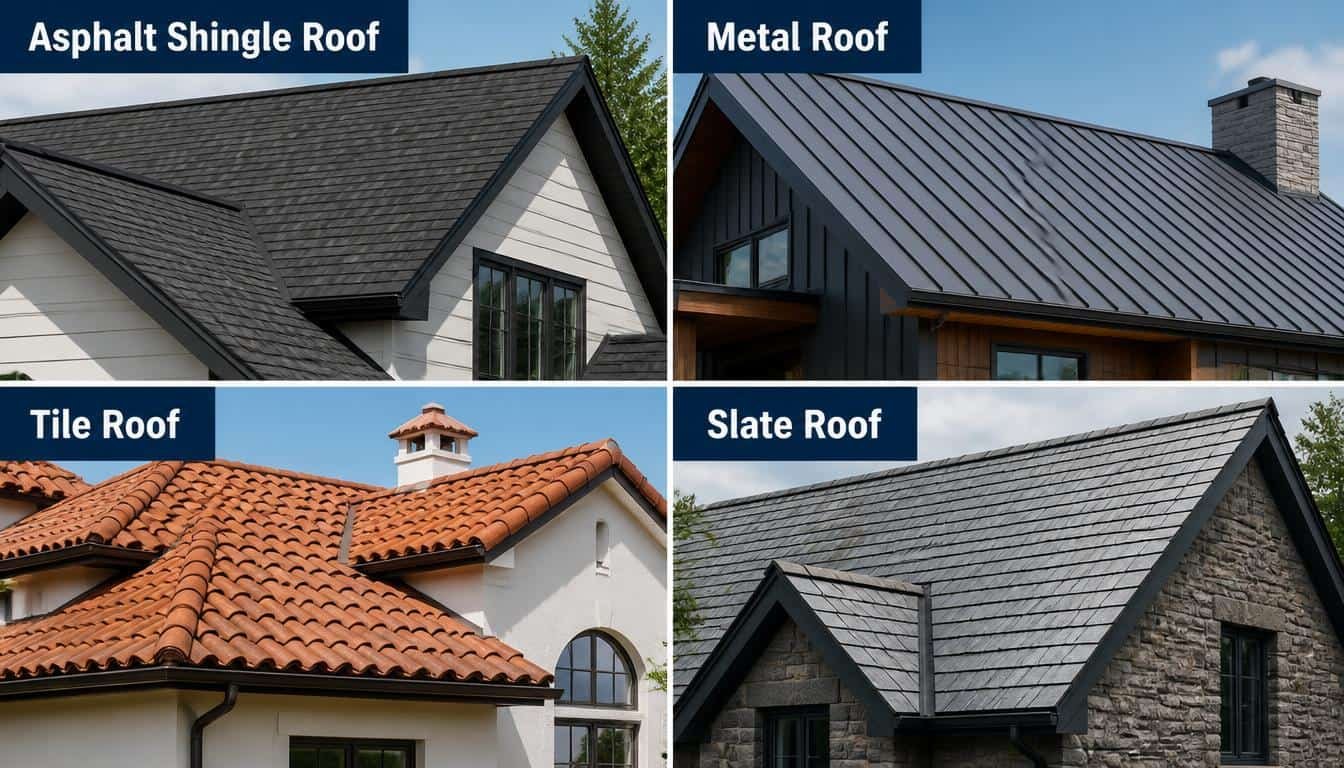
Roof Replacement Cost Calculator: How It Works
When evaluating an online roof replacement cost estimate, understanding how raw project variables transform into a reliable financial projection helps you plan your home improvement budget with confidence. Our calculator uses a structured methodology to process your specific inputs and generate a comprehensive roofing cost estimate.
The calculation engine is engineered to bridge physical dimensions with local market conditions, ensuring that your final roof replacement estimate accurately mirrors real-world installation requirements.
Core Inputs Evaluated by the Calculator
To estimate roof replacement cost effectively, the calculator weighs several crucial data points about your home's architecture and current condition:
Roof Size & Roofing Squares
Total surface area is measured in roofing squares (where 1 square equals 100 square feet) to determine baseline material requirements and base labor volume.
Roofing Material
Different material categories dictate baseline product pricing. The calculator accounts for your chosen selection while reserving deep material comparisons for dedicated guides.
Roof Pitch & Complexity
Steeper inclines, valleys, dormers, and architectural penetrations affect overall labor duration, safety requirements, and structural installation complexity.
Existing Layers & Tear-Off
The number of old shingle layers requiring strip-off, handling, and local landfill disposal directly influences labor hours and waste management fees.
Roof Decking Condition
While visible surfaces look standard, the tool accounts for the possibility of underlying rotted plywood sheathing that may require replacement during installation.
Labor & Local Market Adjustments
Regional economic variations and local contractor pricing standards are applied to ensure your roofing replacement cost aligns with your geographic region.
Estimate vs. Actual Contractor Quote
It is essential to note that any online calculator provides a planning estimate intended for budgeting purposes rather than a guaranteed contractor quote. Actual final pricing can vary based on precise on-site measurements, hidden structural damage uncovered during tear-off, specific permit fees, contractor availability, and local market fluctuations. Use this tool as your reliable starting point to estimate roof replacement cost and prepare for professional bids.
Roof Replacement Cost per Square Foot
When planning a home improvement project, understanding the roof replacement cost per square foot provides a valuable baseline for estimating expenses. Because roofing contractors typically evaluate projects using standard area measurements, knowing how these figures translate into a total roofing replacement cost helps homeowners budget effectively.
While a simple multiplication of your home's footprint by a standard rate offers a helpful starting point, real-world pricing depends heavily on material selection, labor markets, and structural job conditions.
Understanding Roofing Squares
In the roofing industry, measurements are rarely discussed in single square feet alone. Instead, professionals rely on the concept of a roofing square:
1 Roofing Square = 100 Square Feet of Roof Area
For example, a standard home with 2,000 square feet of actual roof surface area represents approximately 20 roofing squares. When utilizing our calculator, material requirements factor in a standard waste percentage (typically 10% to 15%) to account for cuts, hips, and ridges, meaning actual material quantities exceed the raw roof size.
Typical Cost Ranges per Square Foot
Across the United States, the average roof replacement cost per square foot generally spans between $3.50 and $9.00 per square foot (or $350 to $900 per roofing square) for standard residential installations. Premium materials or complex architectures can push these numbers higher. This broad range reflects variations in:
- Roofing Material Quality: Basic architectural shingles sit on the lower end, while specialty and premium systems increase the per-square-foot rate.
- Labor Market Rates: Regional economic differences and local contractor demand alter labor costs per square foot significantly.
- Roof Pitch and Complexity: Steeper roofs require specialized safety equipment and slow down installation speed.
- Tear-Off Requirements: Stripping away multiple layers of old roofing adds disposal and labor overhead.
Simple Calculation Example
To see how a basic roofing cost estimate works conceptually, consider a standard calculation formula:
2,000 sq ft (20 squares)
$6.00 per sq ft
$12,000 baseline cost
Note: This illustrative example is simplified for planning purposes. Two homes can share the exact same 2,000-square-foot roof area while having vastly different replacement costs. For instance, Home A might feature a simple gable roof with single-layer tear-off and easy access, whereas Home B features a steep pitch, multiple dormers, difficult access, and two existing shingle layers to strip away.
Because every project is unique, our interactive roof replacement cost calculator uses roof area as a foundational metric while factoring in pitch, material grade, structural conditions, and labor adjustments. This ensures your final roof replacement estimate reflects true project requirements rather than relying solely on a generic per-square-foot multiplier.
Roof Replacement Cost by Roof Size
Roof size is one of the most significant factors influencing your total roof replacement cost. Understanding how overall square footage scales against approximate budgeting ranges helps you anticipate project expenses.
Whether evaluating a modest 1,000-square-foot cottage or an expansive 4,000-square-foot family home, reviewing approximate costs by size provides a clear framework for your preliminary budget.
Roof Area vs. Home Living Area
A common point of confusion for homeowners is assuming that their home's interior living square footage is identical to their roof area. In reality, roof area is almost always larger than home living area.
Roof dimensions expand due to roof pitch (slopes increase surface area compared to a flat floor plan), overhangs and eaves, multi-story designs, attached garages, and architectural extensions. Consequently, you cannot simply enter your home's interior footprint into a calculator; you must determine the actual exterior roof surface area.
Roofing Squares Connection
Roofing professionals measure projects in roofing squares, where 1 roofing square equals 100 square feet of roof area. For example:
- 1,000 sq ft ≈ 10 roofing squares
- 1,500 sq ft ≈ 15 roofing squares
- 2,000 sq ft ≈ 20 roofing squares
- 2,500 sq ft ≈ 25 roofing squares
- 3,000 sq ft ≈ 30 roofing squares
- 4,000 sq ft ≈ 40 roofing squares
Actual material orders typically include an additional 10% to 15% waste allowance to accommodate cuts, ridges, and starter strips, meaning physical material requirements exceed the bare roof measurements.
Approximate Cost by Roof Size
The following planning table outlines approximate U.S. market replacement ranges across standard residential roof sizes. These figures represent general planning estimates rather than guaranteed quotes.
| Roof Area | Approx. Roofing Squares | Approx. Replacement Cost Range |
|---|---|---|
| 1,000 sq ft | 10 squares | $4,500 – $8,500 |
| 1,500 sq ft | 15 squares | $6,500 – $12,500 |
| 2,000 sq ft | 20 squares | $8,500 – $16,500 |
| 2,500 sq ft | 25 squares | $10,500 – $20,500 |
| 3,000 sq ft | 30 squares | $13,000 – $25,000 |
| 4,000 sq ft | 40 squares | $17,500 – $34,000+ |
Why Equal Roof Sizes Can Have Different Costs
While surface area dictates baseline material and labor volumes, total project costs do not scale in a perfectly linear vacuum. Two different homes can both feature a 2,000-square-foot roof yet result in significantly different replacement totals.
A simple, low-slope gable roof with easy ground access and a single layer of shingles sits comfortably on the lower end of the pricing spectrum. Conversely, a steep roof pitch, complex architectural geometry with multiple valleys and dormers, difficult property access, multiple existing layers requiring heavy tear-off, or damaged structural decking will shift the final project cost toward the higher end.
Get a Personalized Estimate
Because roof size is only part of the equation, relying solely on broad size tiers provides just a preliminary baseline. To account for your home's exact dimensions, pitch, material preferences, and local labor rates, use the interactive Roof Replacement Cost Calculator above for a tailored project estimate.
Roof Replacement Cost by Material
When evaluating a roof replacement cost, the choice of material is one of the most visible decisions influencing your overall budget. Different roofing materials carry distinct product pricing and installation requirements, though the final project cost also depends on labor, roof size, pitch, tear-off, and other structural conditions.
While every roof replacement estimate balances material choice against labor and job complexity, reviewing how different material categories compare provides a valuable baseline for your planning process.
Core Roofing Material Categories
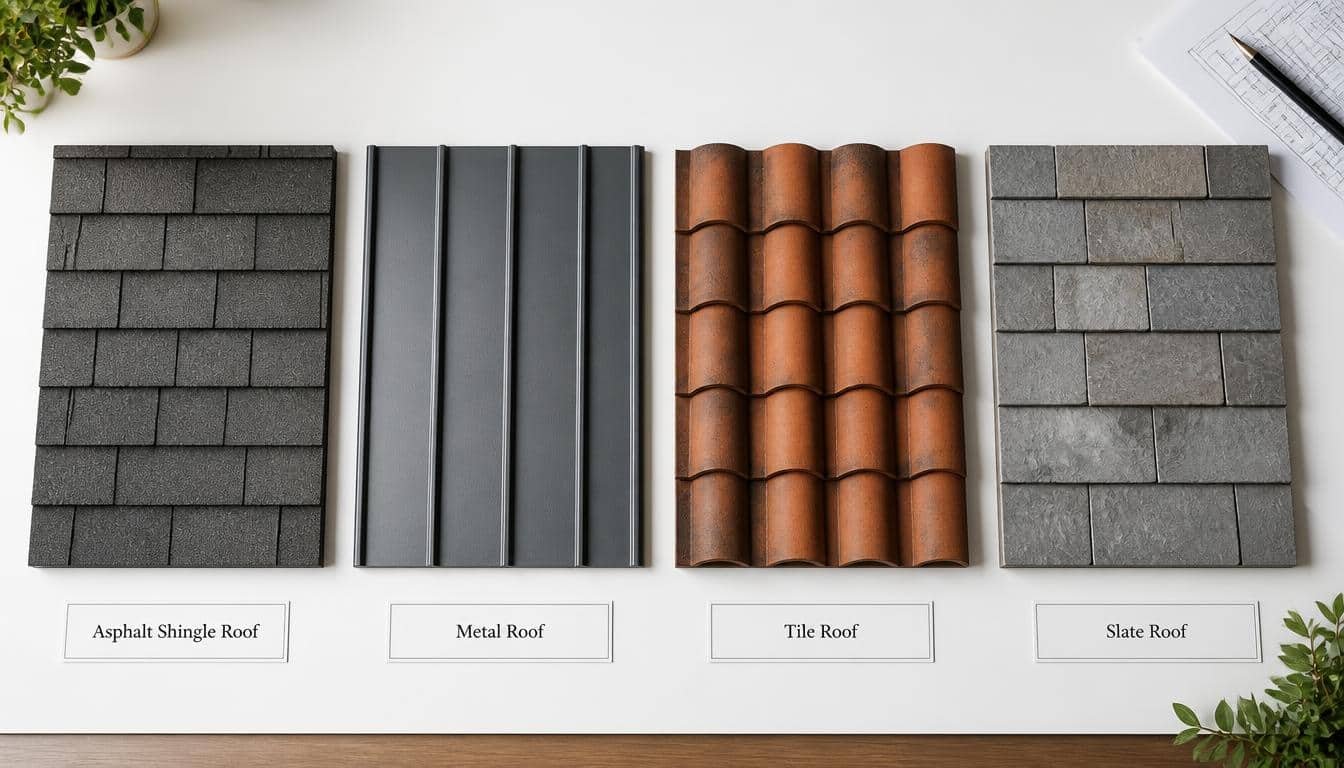
Residential roofing options generally span four major material classes, each with distinct pricing and installation characteristics:
Asphalt Shingles
Asphalt shingles are the most common residential roofing choice in North America, generally representing the most affordable replacement option. Basic 3-tab shingles sit on the lower end, while dimensional architectural and premium asphalt products offer enhanced durability and aesthetic dimension at a slightly higher investment.
Metal Roofing
Metal roofing generally carries a higher upfront replacement cost than standard asphalt shingles while offering exceptional longevity and weather resistance. Pricing varies considerably depending on whether you choose corrugated panels, standing seam systems, or metal shingles designed to mimic traditional tiles.
Tile Roofing
Clay and concrete tile roofing systems involve higher material and installation costs. Because tile roofs are substantially heavier than asphalt, they often require structural framing evaluations. Individual pricing characteristics vary significantly between concrete and authentic clay options.
Slate Roofing
Natural slate is a premium roofing material representing the upper echelon of longevity and cost. It requires specialized installation craftsmanship, reinforced structural support, and higher material sourcing expenses, making it one of the most expensive choices available.
General Relative Cost Comparison
To help contextualize relative pricing across different options, the following comparison outlines general U.S. homeowner-market planning tiers:
| Roofing Material | General Relative Cost Level | Approximate Planning Range |
|---|---|---|
| Asphalt Shingles | Lower | $3.50 – $6.00 per sq ft |
| Metal Roofing | Moderate – High | $7.00 – $14.00 per sq ft |
| Tile Roofing | High | $10.00 – $22.00 per sq ft |
| Slate Roofing | Very High | $15.00 – $30.00+ per sq ft |
Note: Planning ranges are approximate U.S. market averages and vary based on local labor rates, material grades, and project scope.
Why Material Is Not the Entire Cost
Selecting a specific material is only one component of your total roof replacement estimate. Two homes using the exact same roofing material can experience very different final costs due to:
- Roof Size and Layout: Total square footage and complex geometry dictate material volume and labor hours.
- Roof Pitch and Steepness: Steeper inclines demand specialized safety gear and slow down installation speed.
- Tear-Off and Existing Layers: Stripping away multiple layers of old roofing increases labor and disposal fees.
- Decking Condition: Rotted or damaged plywood sheathing discovered underneath must be replaced.
- Local Labor Rates: Regional economic differences and contractor demand shift pricing across geographic areas.
Key Takeaway
The cheapest roofing material is not automatically the lowest total-cost choice over time, and the most expensive option is not inherently the best fit for every home. The ideal material depends on your household budget, roof pitch, architectural style, expected service life, and specific project requirements.
Asphalt Shingle Roof Replacement Cost
Asphalt shingles are one of the most common residential roofing choices and are generally among the more affordable roof replacement options. The final asphalt shingle roof replacement cost depends on factors such as roof size, shingle type, roof pitch, complexity, tear-off requirements, and local market conditions.
While exploring an asphalt shingle roof cost gives homeowners a baseline for budgeting, the total investment is influenced by more than just the material itself. Reviewing general cost categories and project components helps frame what to expect before requesting detailed contractor quotes.
General Asphalt Shingle Cost Overview
Approximate Planning Ranges
Asphalt shingle replacement costs can vary significantly based on shingle grade and project scope. In general U.S. homeowner markets, asphalt shingle roofing costs typically range from approximately $3.50 to $6.00 per square foot, or roughly $350 to $600 per roofing square (where 1 roofing square equals 100 square feet of roof area).
These figures represent broad planning estimates rather than guaranteed contractor quotes. Actual pricing varies depending on regional labor rates, property accessibility, and specific roof conditions.
Asphalt Shingle Types & Relative Cost
Different shingle styles offer varying aesthetic profiles, performance characteristics, and price points:
3-Tab Shingles
3-tab shingles feature a single flat design and are generally the basic, lower-cost asphalt shingle option available for residential projects.
Architectural Shingles
Architectural (dimensional) shingles generally cost more than basic 3-tab shingles, offering a thicker, multi-layered appearance and enhanced durability.
Premium / Designer Asphalt
Premium asphalt products generally feature higher material costs, providing specialized architectural looks or upgraded performance ratings.
What Makes Asphalt Shingle Replacement More Expensive?
Because the shingle material is only one component of the project, various physical and logistical conditions can shift total asphalt roof replacement costs upward:
- Roof Size & Pitch: Larger total areas and steeper slopes require extra labor time and safety measures.
- Roof Complexity: Multiple valleys, dormers, and complex cuts increase labor hours and material waste.
- Tear-Off Requirements: Stripping away multiple existing layers of old roofing adds heavy labor and disposal fees.
- Decking Condition: Rotted or damaged plywood sheathing discovered underneath must be replaced before installation.
- Penetrations & Flashing: Extensive chimney work, skylights, plumbing vents, and new flashing add labor complexity.
What Is Usually Included in a Replacement?
Typical Project Inclusions
A comprehensive asphalt shingle roof replacement quote typically includes the removal and disposal of old roofing, underlayment installation, new asphalt shingles, starter strips, ridge caps, flashing work, and necessary ventilation components. Project scopes vary by contractor, so verifying the exact line items included in your estimate is essential.
Key Takeaway
Asphalt shingles are often one of the more budget-friendly roof replacement choices, but the final project cost depends on much more than the shingle material itself. Homeowners are encouraged to compare complete project estimates rather than focusing solely on shingle pricing.
Metal Roof Replacement Cost
Metal roofing generally carries a higher upfront replacement cost than standard asphalt shingles while offering exceptional longevity and weather resistance. The actual metal roof replacement cost depends on the metal type, roofing system, roof size, pitch, installation requirements, and local market conditions.
While exploring a metal roof cost provides a general baseline for long-term home improvement budgeting, the total project investment is influenced by both material selection and complex structural labor requirements. Reviewing general cost categories helps clarify what to expect before requesting detailed estimates.
General Metal Roof Cost Overview
Approximate Planning Ranges
Metal roofing costs vary substantially because the category encompasses multiple materials and systems. In general U.S. homeowner markets, metal roof replacement costs typically range from approximately $7.00 to $14.00+ per square foot, or roughly $700 to $1,400+ per roofing square (where 1 roofing square equals 100 square feet of roof area).
These figures represent broad planning estimates rather than guaranteed contractor quotes. Actual pricing varies depending on regional labor rates, property accessibility, and specific roof conditions.
Common Metal Roofing Types
Different metal roofing systems and materials offer distinct aesthetic styles, performance profiles, and price points:
Steel Roofing
Steel is a widely used metal roofing material available in exposed-fastener panels or stamped profiles, offering strong durability at a moderate relative cost.
Aluminum Roofing
Aluminum is another residential metal roofing choice well-suited for coastal environments due to its natural resistance to salt corrosion, with distinct pricing characteristics from steel.
Standing Seam Metal
Standing seam is a premium metal roofing system featuring concealed fasteners and vertical panels, requiring specialized installation craftsmanship.
Specialty Metals
Copper and other specialty architectural metals are substantially more expensive options, representing high-end luxury choices for custom residential projects.
Metal Roof vs. Asphalt Shingles
Understanding why metal roofing quotes typically exceed asphalt shingle estimates involves comparing general project factors:
| Factor | Asphalt Shingles | Metal Roofing |
|---|---|---|
| Typical Upfront Cost | Lower | Higher |
| Material Options | Broad | Broad |
| Installation Complexity | Generally lower | Can be higher |
| Potential Service Life | Shorter | Often longer |
What Makes Metal Roof Replacement More Expensive?
Beyond the panels themselves, several physical and labor factors drive up total metal roofing costs:
- Roof Size & Pitch: Larger areas and steep inclines increase labor duration and specialized safety requirements.
- Roof Complexity: Valleys, dormers, and detailed flashing around chimneys require precision cuts and extra labor hours.
- Tear-Off & Disposal: Removing heavy layers of old roofing adds significant labor and disposal fees.
- Decking & Framing: Ensuring the roof structure can support metal panels or replacing damaged sheathing adds project costs.
- Specialized Labor: Installing concealed fastener systems demands trained professionals rather than general carpentry labor.
What Is Usually Included in a Replacement?
Typical Project Inclusions
A comprehensive metal roof replacement project typically includes existing roof removal where required, disposal, specialized underlayment, metal panels or roofing systems, trim and flashing, appropriate fasteners or clips, ridge components, and installation labor. Project scopes vary by contractor, so verifying exact line items is essential.
If you want to explore a more detailed estimate based on your metal roofing type and project details, use the Metal Roofing Cost Calculator.
Key Takeaway
Metal roofing generally carries a higher upfront replacement cost than standard asphalt shingles, but the actual price depends heavily on the chosen roofing system and project conditions. Homeowners should compare complete installed project estimates rather than focusing solely on raw material pricing.
Tile Roof Replacement Cost
Tile roofing is generally a higher-cost roofing option than standard asphalt shingles because of material pricing, specialized installation requirements, and unique structural characteristics. The final tile roof replacement cost depends on factors such as roof size, tile type, pitch, complexity, existing roofing removal, labor, and local market conditions.
While exploring a tile roof cost provides a helpful baseline for long-term home improvement budgeting, the total project investment is determined by both the material itself and extensive labor or structural considerations. Reviewing general cost categories helps clarify what to expect before requesting detailed contractor estimates.
General Tile Roof Cost Overview
Approximate Planning Ranges
Tile roof replacement costs can vary considerably because different tile products and installation systems have distinct material and labor requirements. In general U.S. homeowner markets, tile roof replacement costs typically range from approximately $10.00 to $22.00+ per square foot, or roughly $1,000 to $2,200+ per roofing square (where 1 roofing square equals 100 square feet of roof area).
These figures represent broad planning estimates rather than guaranteed contractor quotes. Actual pricing varies depending on regional labor rates, property accessibility, and specific roof conditions.
Common Tile Roofing Types
Different tile roofing materials and profiles offer distinct aesthetic profiles, durability ratings, and price points:
Concrete Tile
Concrete tile is a common residential tile option that provides a balance between long-term durability, traditional appearance, and moderate relative cost.
Clay Tile
Clay tile is a premium roofing material featuring distinct manufacturing methods, classic architectural styling, and unique pricing characteristics.
Specialty Tile Profiles
Interlocking, flat, or specialty barrel tile designs can introduce varied material sourcing expenses and specialized installation requirements.
Tile Roof vs. Asphalt Shingles
Comparing tile roofing to standard asphalt shingles helps illustrate why total project quotes vary significantly:
| Factor | Asphalt Shingles | Tile Roofing |
|---|---|---|
| Typical Upfront Cost | Lower | Higher |
| Material Weight | Lighter | Heavier |
| Installation Complexity | Generally simpler | Often more specialized |
| Structural Considerations | Usually less significant | Can be more important |
Why Tile Roof Replacement Can Cost More
Beyond purchasing the tiles, several physical and logistical factors drive total tile roof replacement costs upward:
- Material Weight: Heavier tiles require careful handling and can require framing evaluations to ensure adequate support.
- Specialized Installation: Cutting, fastening, and laying tile demands experienced labor rather than standard shingle techniques.
- Roof Pitch & Complexity: Steep slopes and intricate roof geometries increase safety measures and cutting time.
- Tear-Off & Disposal: Removing heavy old roofing materials adds substantial labor effort and disposal fees.
- Underlayment & Flashing: High-performance underlayment and specialized flashing are vital to protect heavy tile systems against leaks.
What Is Usually Included in a Replacement?
Typical Project Inclusions
A comprehensive tile roof replacement project typically includes existing roof removal where required, disposal, premium underlayment, tile installation, edge and ridge components, specialized flashing work, attachment systems, and installation labor. Project scopes vary by contractor, so verifying exact contract line items is essential.
Homeowners comparing tile roofing options should evaluate the complete installed project cost rather than simply comparing the price of the tile material alone, ensuring all structural, underlayment, and flashing requirements are accounted for in estimates.
Key Takeaway
Tile roofing generally costs more upfront than standard asphalt shingles, but the actual roof replacement price depends on tile type, roof characteristics, installation requirements, and local project conditions. Homeowners should compare complete installed estimates and verify exactly what each contractor quote includes.
Slate Roof Replacement Cost
Slate roofing is generally one of the most expensive residential roofing options because of material costs and specialized installation requirements. The final slate roof replacement cost depends on factors such as roof size, natural or synthetic slate, pitch, complexity, existing roofing removal, labor, and local market conditions.
While exploring a slate roof cost provides a helpful baseline for long-term home improvement budgeting, the total project investment is determined by both the premium material itself and extensive labor or structural considerations. Reviewing general cost categories helps clarify what to expect before requesting detailed contractor estimates.
General Slate Roof Cost Overview
Approximate Planning Ranges
Slate roof replacement costs can vary substantially depending on whether the project uses natural slate or a synthetic slate product, as well as the complexity of installation. In general U.S. homeowner markets, slate roof replacement costs typically range from approximately $15.00 to $30.00+ per square foot, or roughly $1,500 to $3,000+ per roofing square (where 1 roofing square equals 100 square feet of roof area).
These figures represent broad planning estimates rather than guaranteed contractor quotes. Actual pricing varies depending on regional labor rates, property accessibility, and specific roof conditions.
Natural Slate vs. Synthetic Slate
Different slate product categories offer distinct characteristics, appearance profiles, and project requirements:
Natural Slate
Natural slate is a premium natural stone roofing material and generally has higher material and installation costs. Slate selection, handling, roof structure, and specialized installation can influence project cost.
Synthetic Slate
Synthetic slate products are manufactured alternatives designed to provide a slate-like appearance and can have different material, weight, and installation characteristics. Pricing depends on the specific product and installation.
Slate Roof Replacement vs. Asphalt Shingles
Comparing slate roofing to standard asphalt shingles helps illustrate why total project quotes vary significantly:
| Factor | Asphalt Shingles | Slate Roofing |
|---|---|---|
| Typical Upfront Cost | Lower | Much higher |
| Material Type | Manufactured | Natural or synthetic |
| Installation Complexity | Generally simpler | Often specialized |
| Structural Considerations | Usually less significant | Can be more important |
| Premium Positioning | Standard | Premium |
Why Slate Roof Replacement Can Cost More
Beyond purchasing the slate material, several physical and logistical factors drive total slate roof replacement costs upward:
- Premium Roofing Material: High-grade natural stone or advanced composite materials carry elevated material procurement expenses.
- Specialized Installation: Cutting, drilling, and laying slate demands experienced master craftsmanship rather than standard shingle techniques.
- Significant Roof Weight: Natural slate systems are exceptionally heavy and may require framing evaluations or structural reinforcement.
- Steep Pitch & Complexity: Complex roof geometries and steep slopes increase safety measures and specialized labor hours.
- Tear-Off & Disposal: Removing heavy old roofing materials adds substantial labor effort and disposal fees.
What Is Usually Included in a Replacement?
Typical Project Inclusions
A typical slate roof replacement may include some combination of removal of existing roofing where required, disposal, underlayment, slate or slate-like roofing material, flashing, ridge and edge components, appropriate fasteners or attachment systems, ventilation components where applicable, and installation labor. Project scopes vary by contractor, so verifying exact contract line items is essential.
Short Decision Guidance
Homeowners considering slate should compare the complete installed project cost, not just the price of the roofing material. The appropriate choice depends on budget, existing roof structure, desired appearance, expected service life, maintenance expectations, and local contractor expertise.
Key Takeaway
Slate roofing is generally a premium roof replacement option with a significantly higher upfront cost than standard asphalt shingles. The final project price depends on the slate product, installation requirements, roof characteristics, and local conditions. Homeowners should compare complete installed estimates and verify exactly what each contractor quote includes.
Roof Replacement Labor Cost
Labor is a major component of any roof replacement estimate, covering far more than simply installing new roofing material. Professional roofing installation labor includes site preparation, existing material removal, underlayment placement, precise material application, flashing details, ventilation work, and thorough cleanup coordination.
Understanding how roof replacement labor costs are structured helps homeowners evaluate contractor estimates and plan their budgets effectively. Labor rates and total installation hours vary based on roof size, material type, pitch, structural complexity, property accessibility, and local market conditions.
How Roof Replacement Labor Is Priced
Common Estimation Approaches
Roofing contractors account for labor using several standard industry methods depending on the project scope and business model:
- Per Roofing Square: Contractors frequently estimate labor based partly on roofing squares, where 1 roofing square equals 100 square feet of roof area.
- Project-Based Pricing: Many professionals calculate total labor requirements to provide a comprehensive installation price for the entire project.
- Bundled Estimates: Labor is most often bundled directly into the overall installed roof replacement quote rather than broken out as an independent line item.
What Affects Roof Replacement Labor Cost?
Multiple physical, structural, and logistical variables influence the total labor time required to complete a roof replacement project:
Roof Size & Pitch
Larger surface areas require more total installation hours, while steep slopes demand specialized safety equipment and slower, more meticulous labor.
Tear-Off & Layers
Removing heavy existing roofing materials or multiple layers adds significant labor effort, physical strain, and disposal coordination.
Complexity & Details
Valleys, dormers, multiple roof planes, custom flashing requirements, and roof penetrations increase precise cutting and installation time.
Access & Local Rates
Difficult property access, height restrictions, and regional labor market variations directly impact the overall cost of labor.
Labor Cost by Roofing Material
Different roofing materials demand unique installation techniques, levels of craftsmanship, and physical effort:
| Roofing Material | General Labor Complexity |
|---|---|
| Asphalt Shingles | Lower–Moderate |
| Metal Roofing | Moderate–High |
| Tile Roofing | High |
| Slate Roofing | Very High |
Note: This is a general relative comparison rather than a universal labor-price ranking. Actual labor requirements vary based on specific product lines, roof design, and contractor experience.
What Is Included in Roofing Labor?
Typical Labor Tasks
Comprehensive roofing labor typically includes jobsite preparation, landscaping and property protection, old roofing removal, underlayment installation, material placement (shingles, panels, tile, or slate), flashing installation, ridge and edge work, ventilation component fitting, and complete site cleanup. Project scope varies by contractor.
Why Two Quotes Can Have Different Labor Costs
Homeowners often notice price variations when comparing multiple contractor estimates for the same property. These differences typically stem from variations in project scope, crew size and experience, company overhead, licensing, insurance coverage, workmanship warranties, scheduling demands, and the thoroughness of site preparation and cleanup. Evaluating the full scope of work is more valuable than comparing raw labor dollar amounts.
How to Compare Labor in Quotes
- Tear-Off & Disposal: Verify whether old roofing removal and debris hauling are fully covered.
- Underlayment & Flashing: Confirm that new underlayment, drip edge, and flashing installation are included.
- Ventilation & Decking: Check how allowances for damaged sheathing repairs and ventilation are handled.
- Permits & Cleanup: Ensure building permits and magnetic property sweeps are accounted for.
- Warranties: Compare contractor workmanship guarantees alongside manufacturer material warranties.
Key Takeaway
Roof replacement labor cost depends on the size and complexity of the roof, the material being installed, site conditions, and local labor rates. When comparing estimates, homeowners should compare the complete scope of work rather than focusing only on the labor portion of the quote.
Roof Tear-Off and Disposal Cost
Removing and disposing of an existing roof is a vital phase of a roof replacement project. Understanding roof tear-off cost helps homeowners interpret their total project estimates and prepare for the logistics involved before new materials are installed.
When planning a replacement, distinguishing between roof tear-off, old material disposal, and new installation is essential. Tear-off involves stripping away damaged or aging components down to the raw decking, while preparation ensures the surface is sound for underlayment and new shingle placement.
Typical Roof Tear-Off Cost Factors
Contractors may price roof removal using different methods, such as charging per roofing square (100 square feet), per square foot, or rolling the expense into a bundled roof replacement estimate. Because local labor rates, structural size, and disposal fees vary widely across regions, quoting a single nationwide flat rate can be misleading.
The Impact of Additional Roof Layers
Properties with multiple existing layers require significantly more labor, physical effort, and disposal volume. Handling extra layers increases total project duration, elevates debris weight, and drives up overall roof removal costs compared to stripping a single-layer roof.
What Roof Disposal Costs Include
Disposal fees account for transporting and discarding old roofing materials responsibly. These costs can vary substantially based on local landfill regulations and distance from the job site.
Hauling & Dumpsters
Rental fees for specialized dumpsters or flatbed trucks used to contain heavy construction debris.
Landfill & Transfer Fees
Disposal facility charges calculated based on the total weight or volume of the discarded material.
Cleanup & Loading
The manual labor required to rake, load, and clear the property and surrounding landscape of stray nails and shingle granules.
Major Drivers of Roof Tear-Off Expense
- Number of Layers: Stripping multiple shingle layers adds considerable labor time and weight.
- Roof Size & Pitch: Larger expanses and steep slopes demand specialized safety gear and slower removal techniques.
- Material Type: Removing heavy slate, tile, or multi-layer architectural shingles takes more time than standard three-tab shingles.
- Accessibility: Tight spaces, height, or limited truck parking can increase handling difficulty and local labor rates.
Is Tear-Off Always Required?
While complete tear-off is the industry standard and often preferred to inspect the underlying wooden deck, an overlay (adding a new layer over an old one) is sometimes permitted under specific local building codes. However, homeowners should never assume an overlay is appropriate without evaluating existing roof condition, weight limits, and contractor recommendations.
What a Written Tear-Off Estimate Should Include
A thorough contractor proposal should explicitly detail the scope of the roof removal process. Homeowners should verify that estimates account for old material stripping, debris container fees, local disposal, and magnetic property cleanup sweeps.
Calculator Connection & Summary
Inputs in the calculator such as roof size, pitch, accessibility, and the number of existing roofing layers directly affect your overall project cost because safe removal and disposal require dedicated labor and resources. Reviewing these line items ensures a complete understanding of your investment.
Roof Decking Replacement Cost
Roof decking replacement cost can be an unexpected addition to a roof replacement estimate if structural water damage is discovered underneath old shingles. Understanding how roof sheathing condition influences your project helps you budget accurately and avoid surprises when old materials are stripped away.
To understand how roofing estimates account for this underlying structure, it helps to look at the layering of a home. A standard roofing system consists of the interior framing, covered by the roof decking (or roof sheathing), protected by waterproof underlayment, and finished with shingles, metal, tile, or slate.
When Does Roof Decking Need to Be Replaced?
Roof decking is typically made of plywood or oriented strand board (OSB). While durable, it can degrade over time due to prolonged moisture exposure, leaks, or poor attic ventilation. Because old shingles often obscure damage, many decking problems cannot be fully identified until the existing roof covering is completely removed.
Signs of Damaged Roof Sheathing
Contractors look for rotting wood, mold growth, soft or spongy plywood panels, structural sagging, and water staining. When these issues are found, affected sections must be replaced to provide a secure, code-compliant nailing surface for the new roof.
Typical Roof Decking Replacement Cost Factors
Decking replacement pricing generally depends on the square footage of damaged panels that need to be swapped out, the specific type of wood product used (such as OSB vs. plywood thickness), local material and labor rates, and roof accessibility. While minor repairs involve swapping a sheet or two, extensive water rot can require replacing significant portions of the roof deck.
How Contractors Calculate Decking Replacement
Because the true extent of damage is often hidden beneath old roofing, contractors rarely quote a fixed decking price beforehand. Instead, they typically provide a per-sheet or per-square-foot add-on rate in the contract. Once the tear-off is complete and the decking is visible, the contractor documents the compromised panels and bills according to the agreed-upon unit rate.
Localized Repairs
Replacing a few isolated sheets around chimneys, valleys, or old leaks where damage is minor.
Moderate Portions
Swapping out sections of sheathing across entire roof planes due to long-term moisture exposure.
Full Deck Renewal
Replacing most or all of the roof decking on older homes or structures with severe structural neglect.
Is Roof Decking Included in Standard Quotes?
Roof decking replacement is rarely included as an unlimited feature in standard roof replacement quotes. Some estimates include a small allowance for a couple of replacement sheets, while others charge purely on an as-needed basis once the deck is exposed. Homeowners should always review their written proposal to see how extra decking work is handled.
Questions to Ask Your Contractor
- Is an allowance included? Ask if the base estimate covers any replacement sheets or if all decking work is billed extra.
- What is the per-sheet rate? Request the exact cost per panel for any additional sheathing replacement required.
- How is damage documented? Clarify how the contractor will show you the damaged decking before installing new wood.
- Is homeowner approval required? Ensure the contract states that the contractor must get your explicit sign-off before performing extra structural repairs.
Calculator Connection & Summary
The Roof Replacement Cost Calculator includes a decking condition input (such as Good, Fair, Damaged, or Not Sure) to help account for potential wood replacement expenses in your overall estimate. While final costs depend on what is discovered during tear-off, factoring in your roof's suspected condition ensures a realistic project budget.
Roof Pitch and Complexity
Roof pitch, architectural design complexity, and property access heavily influence roof replacement cost and labor requirements. Understanding how steepness and structural details impact your estimate helps clarify why two similarly sized roofs can have different price tags.
When planning a roof replacement, the physical layout of the home is just as important as the square footage. Evaluating how roof pitch and roof complexity affect installation safety, equipment needs, and labor time provides a clearer picture of your overall project investment.
What Is Roof Pitch?
Roof pitch describes how steeply a roof rises relative to its horizontal run. It is often expressed using ratios like 4:12 or 8:12 (meaning the roof rises 4 or 8 inches vertically for every 12 inches of horizontal run). Roofs are generally categorized into low-slope, moderate-pitch, and steep-pitch designs, each requiring distinct installation techniques.
Why Steep Roof Replacement Costs More
Steep roof replacement cost is typically higher because movement on high-slope surfaces is slower and demands specialized safety gear, scaffolding, or roof jacks. Handling heavy roofing materials on a steep grade requires greater physical effort and extends total project labor hours.
What Makes a Roof Complex?
Beyond simple pitch, the overall geometry of a roof structure determines project complexity. Intricate designs require meticulous measuring, custom cuts, and careful flashing work around multiple planes and penetrations.
Architectural Features
Multiple intersecting rooflines, dormers, valleys, hips, and ridges that require detailed shingle alignment.
Roof Penetrations
Chimneys, skylights, plumbing vents, and custom flashing details that increase installation labor.
Property Accessibility
Multi-story heights, tight perimeter space, or nearby landscaping that restrict equipment and material delivery.
Comparing Roof Layout Complexity
The contrast in labor requirements between a straightforward structure and a highly articulated roof design is significant:
Simple Roofline
- Straightforward gable or shed design
- Moderate or low pitch
- Minimal valleys and penetrations
- Easy ground and equipment access
Complex Roofline
- Steep pitch requiring safety tie-offs
- Multiple dormers and intersecting valleys
- Numerous chimneys and skylights
- Restricted access or multi-story height
How the Calculator Accounts for Pitch and Complexity
Because difficult roof configurations demand more time, specialized safety precautions, and skilled labor, our roof replacement calculator incorporates specific inputs for roof pitch, structural complexity, accessibility, and penetrations. Adjusting these parameters ensures your estimated roof replacement cost accurately reflects the physical demands of your specific home.
Key Takeaway
Roof pitch and design complexity directly shape roofing labor rates and overall project duration. When reviewing estimates, homeowners should keep in mind that steep angles and intricate architectural details require specialized skills and safety measures that influence final pricing.
Roof Replacement Cost by Number of Layers
The number of existing roofing layers on your home significantly affects roof replacement cost by driving up tear-off labor, debris volume, disposal fees, and project duration. Understanding how multiple layers impact your estimate helps you anticipate total costs before installation begins.
When planning a roofing project, homeowners often wonder why quotes differ based on how many shingle layers currently cover the roof. Each additional layer means heavier physical labor, increased disposal weight, and more time required to strip the structure down to bare decking.
One Layer vs. Multiple Layers
Replacing a roof with a single existing layer is straightforward for roofing crews, as the material strips away in predictable sheets. In contrast, a roof replacement with two layers or more introduces extra complexity. While every additional layer adds to the project price, the exact increase depends on roof size, material type, accessibility, and local disposal rates.
One Existing Layer
- Faster, more predictable tear-off labor
- Lower debris volume and container needs
- Easier identification of deck condition
- Standard disposal and hauling effort
Two or More Layers
- Substantially heavier physical stripping effort
- Larger volume of shingle granules and nails
- Higher dumpster rental and landfill fees
- Extended project completion time
Cost Impact of Multiple Layers
Contractors account for multiple shingle layers by adjusting their project estimates to cover the extra labor hours and disposal volume. Handling multiple layers of shingles means crews must pry up additional rows of fasteners and manage significantly heavier loads, which naturally increases the overall roof tear-off cost.
Disposal and Debris Management
More layers directly translate to heavier construction waste. This surge in volume affects dumpster requirements, transportation logistics, and local landfill or transfer-station weight fees. While disposal is a standard part of roof removal, hauling double the weight requires extra coordination and resources.
Can You Install a New Roof Over Existing Shingles?
While some local building codes and manufacturer guidelines occasionally permit a roofing overlay (adding a new layer over an existing one), homeowners should never assume it is always appropriate. Complete tear-off is widely preferred because it allows contractors to inspect the underlying roof deck for hidden moisture damage, rot, or structural weakness.
Questions to Ask Your Contractor
When reviewing estimates for a home with multiple layers, ask: How many existing layers are currently on the roof? Is complete tear-off recommended? How is additional layer removal priced? Clarifying these details in your written estimate prevents unexpected cost adjustments.
How the Calculator Accounts for Layers
Our Roof Replacement Cost Calculator includes a dedicated input for the number of existing roofing layers along with a tear-off selection. Selecting whether your home has one, two, or more layers enables the calculator to accurately factor in the extra labor and disposal effort required for your specific project.
Key Takeaway
The number of existing roofing layers is a major driver of roof replacement cost by number of layers. Accounting for extra tear-off labor, heavier debris, and disposal needs ensures your project estimate reflects the true scope of work required to secure a durable new roof.
Roof Replacement Cost Factors
Roof replacement cost factors can vary significantly from one home to another, explaining why two seemingly similar properties often receive different project estimates. Understanding the major variables—ranging from roof size and materials to labor, pitch, and accessibility—helps homeowners evaluate quotes with confidence.
When homeowners ask why roofing costs vary so widely, the answer lies in the combination of physical and logistical elements that define each project. Rather than depending on a single generic price per square foot, a professional estimate accounts for how multiple interacting variables affect overall time, labor, and material requirements.
Major Cost Variables at a Glance
To make sense of how these variables come together, our structured overview groups the most influential factors affecting roof replacement pricing into core categories:
Roof Size & Materials
Larger roofs require more roofing squares, underlayment, and accessories. Material choices—such as asphalt shingles, metal panels, tile, or slate—also drive substantial differences in base supply costs.
Roof Design & Pitch
Steeper pitches require specialized safety gear and slower labor. Complex features like valleys, dormers, hips, ridges, and penetrations demand extra measuring, cutting, and flashing precision.
Existing Roof & Layers
The number of existing shingle layers dictates tear-off effort, debris volume, and disposal fees. Worn conditions or pre-existing leaks can further influence the scope of required prep work.
Decking & Hidden Damage
Compromised roof sheathing or water-damaged decking may not be fully visible until old roofing is stripped away, requiring panel replacements to ensure a safe, code-compliant nailing surface.
Labor & Accessibility
Local market wages, contractor demand, and property accessibility (such as multi-story heights, restricted driveway access, or tight perimeters) directly impact labor efficiency and material delivery.
Waste Factor & Market Conditions
Contractors add a standard waste percentage to account for cuts and roof geometry. Seasonal conditions, fluctuating material prices, and regional market trends also influence final project pricing.
How the Calculator Accounts for These Factors
Our Roof Replacement Cost Calculator is engineered to process multiple interacting inputs rather than relying on a simplistic pricing formula. By collecting details such as your ZIP code, roof area, pitch, material type, existing layers, tear-off requirements, complexity, condition, accessibility, penetrations, decking status, and waste percentage, the calculator constructs a comprehensive estimate tailored to your exact home.
Summary
Evaluating roof replacement estimate factors helps bridge the gap between initial rough budgeting and actual contractor proposals. Recognizing how size, pitch, materials, layers, and local conditions intertwine gives you a realistic benchmark for your upcoming roofing project.
Roof Replacement vs. Roof Repair
Deciding between roof replacement vs roof repair is one of the most important choices a homeowner faces when roof damage occurs. Weighing the age of your roof, the extent of the damage, and the long-term economics helps you determine whether a simple fix or a full installation is the more practical option.
When evaluating roofing problems, understanding the basic difference between options is essential. Roof repair addresses a specific problem or limited area, such as patching a leak or replacing a few damaged shingles. In contrast, roof replacement removes the existing roofing system more extensively and installs a brand-new structure. The right choice depends heavily on your roof's age, overall condition, repair history, and expected remaining service life.
When Roof Repair May Make Sense
Repairing an existing roof can be a reasonable and cost-effective choice under the right circumstances. Homeowners often find that repair is suitable for isolated leaks, limited storm damage, localized flashing problems, or a small damaged area on a relatively newer roof that is otherwise in good condition. When issues are minor and can be corrected without widespread deterioration, a targeted repair can effectively extend the roof's functional life. However, a professional inspection is often necessary to confirm that the problem is truly localized.
When Replacement May Be More Practical
Conversely, certain conditions point toward full replacement rather than continued patching. If your roof is aging near the end of its expected service life, exhibits widespread shingle failure, or has sustained substantial structural or moisture damage, repairs may only serve as temporary fixes. Repeated repairs across multiple problem areas can quickly become less economical than investing in a complete new roofing system.
Roof Repair May Be Appropriate
- Localized problem or single leak source
- Roof is otherwise in good overall condition
- Relatively newer roof with solid longevity
- Limited, contained storm or wind damage
- Repair directly addresses the underlying issue
Roof Replacement May Be Worth Considering
- Widespread deterioration or shingle failure
- Aging roof near or past its expected lifespan
- Repeated repairs with recurring leak issues
- Multiple problem areas across various roof planes
- Substantial underlying damage or worn decking
The Role of Roof Age and Long-Term Value
Roof age is a critical factor in the repair-versus-replacement equation. A repair performed on a relatively young roof can successfully protect your home for years. However, pouring money into repeated repairs on an older roof often yields diminishing returns. Homeowners should avoid comparing only today's repair bill with the full replacement price; instead, look at expected remaining roof life, cumulative repair spending, warranty implications, and long-term performance. A lower immediate repair cost does not always translate to a lower long-term cost.
The Value of a Professional Inspection
Because hidden damage can lurk beneath shingles or inside the roof deck, getting a professional evaluation is vital. A qualified roofing professional can help determine whether damage is truly isolated, whether the underlying structure is affected, and whether repair or replacement provides better long-term value for your property.
How the Calculator Fits Into Your Decision
Our Roof Replacement Cost Calculator is designed to help you estimate the potential investment required for a full replacement project. By establishing a reliable replacement-cost baseline, you can easily compare estimated project totals against professional repair quotes. While the calculator provides a valuable financial benchmark, it does not replace a physical roof inspection or determine whether repair or replacement is technically required.
How Long Does a Roof Replacement Take?
Wondering how long does a roof replacement take? For many standard residential homes, the physical installation can be completed in roughly one to a few days. However, the true roof replacement timeline depends heavily on roof size, pitch, complexity, material type, weather conditions, and unexpected deck repairs.
When homeowners plan for a new roof, distinguishing between active installation days and the broader project schedule is essential. While roofing crews may finish the actual work in a short window, material delivery, permitting, contractor scheduling, and potential weather delays can extend the overall calendar timeframe.
Typical Roof Replacement Timeline
Most professional roof replacement projects follow a streamlined sequence from initial preparation to final cleanup:
Preparation & Delivery
Confirming start dates, securing permits, and delivering materials and dumpsters to the job site.
Tear-Off & Inspection
Stripping away old roofing layers and inspecting the exposed wood deck for damage or rot.
Installation & Details
Laying down underlayment, new roofing materials, flashing, and ventilation components.
Cleanup & Final Review
Clearing debris with magnetic sweepers, hauling away waste, and conducting a final quality check.
Key Factors That Affect Roof Replacement Time
No two roofing projects are identical. Several primary variables can make a project take shorter or longer:
- Roof Size: Larger surface areas require more time for material handling, fastening, and cleanup.
- Roof Pitch & Complexity: Steep pitches require specialized safety equipment and slower navigation, while valleys, dormers, and multiple facets demand careful cutting and flashing.
- Existing Layers & Tear-Off: Stripping multiple layers of heavy shingles and clearing massive debris volumes adds substantial labor hours.
- Decking Repairs: Discovering rotted plywood or compromised sheathing after tear-off requires structural repairs before new materials can be installed.
- Weather Delays: Rain, high winds, and extreme temperatures can force crews to pause work to ensure safety and prevent moisture damage.
Practical Homeowner Preparation Checklist
Being prepared helps ensure a smooth project flow from start to finish. Consider keeping these practical steps in mind:
What to Clarify with Your Contractor
- Confirm the expected start date and estimated crew work hours.
- Ask how weather delays will impact the schedule.
- Clarify how unexpected decking damage and repairs are handled.
- Verify driveway space requirements for material delivery and dumpsters.
How the Calculator Fits Into Your Project
Our Roof Replacement Cost Calculator is designed to estimate financial project costs rather than predict an exact calendar schedule. However, many inputs that drive cost—such as roof area, pitch, complexity, layers, and decking condition—also influence overall project difficulty and potential installation duration.
Summary
While many residential roof replacements are completed in just a few days of active work, anticipating weather variables, material delivery windows, and structural inspections helps set realistic expectations for your roofing project timeline.
How Long Does a New Roof Last?
Wondering how long does a new roof last? While average roof lifespan varies considerably, most residential roofing systems provide decades of protection. A roof's true life expectancy depends on a combination of roofing materials, installation quality, local climate, routine maintenance, and overall weather exposure.
When homeowners plan for a roof replacement, understanding average roof lifespan is crucial for budgeting long-term home maintenance. There is no single universal answer because service life spans a wide range depending on what the roof is made of and how well it is maintained over time.
Typical Lifespan by Roofing Material
Different roofing materials offer vastly different durability levels. While premium materials like slate and tile can endure for generations, standard options like asphalt shingles have a more finite service window.
Asphalt Shingles
Typically last around 20 to 30 years depending on shingle grade, local weather severity, and proper attic ventilation.
Metal Roofing
Often delivers 40 to 70 years of service, offering high resistance to wind, heavy rain, and severe storms.
Wood Shakes
Generally endure for 30 to 40 years, requiring routine maintenance to prevent moisture retention and decay.
Tile & Slate
Durable heavy-duty materials that can last 50 to 100+ years when supported by a robust underlying roof structure.
Key Factors That Influence Roof Longevity
Material choice is only one piece of the puzzle. Several critical variables determine whether a roof reaches the upper limit of its expected service life:
- Installation Quality: Proper fastening, precise flashing installation, and correct underlayment application ensure the roof functions as intended.
- Climate & Weather Exposure: Intense sunlight, heavy snow, freeze-thaw cycles, high winds, and severe storms accelerate normal wear and tear.
- Roof Ventilation: Balanced attic ventilation prevents heat and moisture buildup that can warp decking and prematurely age shingles from underneath.
- Routine Maintenance: Clearing gutters, addressing minor flashing issues quickly, and keeping drainage paths open prevent localized damage from spreading.
Roof Age vs. Roof Condition
Age alone should not dictate when you should replace a roof. A well-maintained roof that is older may still perform adequately, while a newer roof exposed to severe weather or poor installation can fail prematurely. Evaluating actual physical condition alongside age provides a much clearer picture of remaining service life.
Signs Your Aging Roof Needs Replacement
Recognizing the warning signs of a declining roof helps homeowners plan ahead before major leaks occur:
- Widespread shingle curling, cracking, or widespread granule loss
- Repeated leaks or recurring repair needs across multiple areas
- Sagging roof decks or structural irregularities
- Significant deterioration around chimneys, valleys, and flashing details
How the Calculator Fits In
Our Roof Replacement Cost Calculator estimates the financial cost of replacing a roof today; it does not predict how many years a new roof will last. However, material selection is a core calculator input because your choice of material directly influences both upfront project costs and long-term expected lifespan.
What Is Included and Not Included in a Roof Replacement?
Wondering what is included in a roof replacement? Reviewing a roofing replacement estimate requires understanding both the standard scope of work and potential exclusions. Knowing what does a roof replacement include—and what may require an extra charge—helps homeowners evaluate a roof replacement estimate with total confidence.
When planning a roofing project, looking beyond the bottom-line cost is essential. Every comprehensive roof replacement estimate should clearly outline materials, labor, and site responsibilities, while noting which items fall outside the standard scope.
What Is Typically Included in a Roof Replacement?
A standard professional roof replacement scope of work normally covers an integrated system of protective layers, structural components, and cleanup services:
Site Protection & Setup
Contractors prepare the work area and safeguard landscaping, siding, windows, and driveways against falling debris.
Tear-Off of Existing Roof
Stripping away old roofing layers down to the deck. Layer counts and debris volume affect overall labor effort.
Roof Deck Inspection
Inspecting exposed wooden decking once old materials are removed to verify structural integrity before new installation.
Underlayment & Barriers
Installing secondary weather barriers like synthetic underlayment or ice and water shielding across vulnerable areas.
New Roofing & Accessories
The primary roofing material—such as asphalt shingles or metal panels—alongside starter strips and ridge caps.
Flashing & Penetrations
Proper installation of metal flashing and detailing around chimneys, walls, valleys, skylights, and plumbing vents.
Cleanup and Final Walkthrough
Normal jobsite cleanup involves hauling away debris, running magnetic rollers to collect stray nails, and conducting a final review to ensure installation quality.
What May Not Be Included in a Roof Replacement?
Certain items are frequently excluded from standard quotes or billed separately depending on property conditions and contractor agreements:
Major Structural Repairs
Substantial framing repairs, severe structural sagging, or major load-bearing fixes usually fall outside standard roofing scopes.
Extensive Decking Replacement
While minor plywood replacement allowances may apply, widespread rot or complete deck replacement generally incurs extra costs.
Gutter & Exterior Work
Replacing gutters, downspouts, soffits, or damaged fascia boards is typically handled as a separate project scope.
Chimney & Masonry Work
Extensive chimney rebuilding, tuckpointing, or masonry repair requires specialized masonry contractors rather than general roofers.
Skylight Replacement
Replacing existing skylights or adding new ones is not automatically included unless specifically outlined in your estimate.
Permits & Upgrades
Local building permit fees, special HOA approvals, premium ventilation upgrades, or enhanced insulation may be billed separately.
How to Check What Your Roof Replacement Estimate Includes
Comparing quotes requires looking closely at the details rather than just the final price. Use this checklist when evaluating a proposal:
- Materials & Brand: Verify the specific brand, style, and color of roofing materials and accessories being installed.
- Tear-Off & Layers: Confirm whether old roofing layers will be removed and how disposal is handled.
- Decking Allowance: Check how unexpected plywood or structural repairs will be charged if damaged wood is discovered.
- Flashing & Vents: Ensure valley metals, step flashing, and pipe boots are included as replacement items.
- Warranty Details: Clarify both manufacturer material warranties and contractor workmanship guarantees.
Connecting Scope to the Calculator
Our Roof Replacement Cost Calculator estimates baseline project costs based on primary variables like roof size, material selection, pitch, tear-off requirements, and complexity. The calculator provides a helpful financial estimate, but actual project scope, unexpected repairs, and final pricing must be verified through an on-site evaluation and a formal written contractor agreement.
How to Compare Roof Replacement Quotes
Wondering how to compare roof replacement quotes effectively? The most crucial rule in evaluating multiple roofing estimates is simple: never compare contractors by bottom-line price alone. To make a fair comparison, examine the full scope of work, materials, labor, warranties, exclusions, and total project cost.
When you collect multiple bids for your roofing project, quotes can often vary significantly. Understanding what makes roofing estimates different helps you look beyond the headline price and choose the right professional for your home.
Key Elements to Evaluate Across Quotes
Comparing quotes requires looking closely at several core components to ensure you are comparing equivalent projects:
Same Project Scope
Confirm that each contractor is pricing the identical roof area, material type, tear-off layers, underlayment, flashing, and ventilation requirements.
Specifications & Brand
Examine the exact manufacturer, material grade, and system components included. Different product tiers offer varying durability and performance.
Installation & Craftsmanship
Review how labor is structured and verify that proper preparation, specialized installation practices, and detail work are fully accounted for.
Removal & Disposal
Check whether old roofing layers are being stripped down to the deck, how many layers are included, and how debris disposal is handled.
Decking Allowances
Understand whether a preliminary plywood replacement allowance is included and how additional damaged sheathing will be priced if discovered.
Material & Workmanship
Compare manufacturer material warranties alongside the contractor's workmanship guarantee to see who is responsible if issues arise.
Investigating Price Discrepancies
If one contractor estimate is significantly lower than the others, it does not automatically mean they are the best choice. A lower price often points to differences in the project details:
- Hidden Exclusions: Essential items like flashing replacement, valley metals, or permit fees might be excluded from the lower quote.
- Material Quality: The quote might rely on lower-grade shingles, standard underlayment instead of synthetic barriers, or basic accessories.
- Cleanup Responsibility: Debris hauling, magnetic nail sweeps, or site protection may be left out or left for the homeowner to manage.
- Warranty Protection: Shortened workmanship coverage or lack of certified contractor status can reduce long-term protection.
Roof Replacement Quote Comparison Checklist
Use this quick reference checklist when reviewing your estimates side-by-side to make sure nothing is overlooked:
Essential Review Items
- ☐ Same roof area and project scope
- ☐ Same roofing material and specification
- ☐ Tear-off and disposal included
- ☐ Underlayment included
- ☐ Flashing work specified
- ☐ Decking allowance identified
- ☐ Ventilation work specified
- ☐ Cleanup included
- ☐ Warranty clearly stated
- ☐ Exclusions identified
- ☐ Additional charges explained
- ☐ Contractor insurance/credentials verified
Using the Calculator as a Benchmark
Our Roof Replacement Cost Calculator helps you establish a reliable preliminary cost range based on important project variables like roof size, material, pitch, tear-off requirements, and complexity. While the calculator serves as a great planning benchmark, it is designed to assist your budgeting and does not replace a formal on-site inspection or a written contractor quote.
Is a Roof Replacement Worth It?
Wondering whether replacing a roof is a worthwhile investment? Deciding whether is a roof replacement worth it depends on factors like roof age, overall condition, repair frequency, and your long-term plans for the property. A balanced look at the costs, risks of delay, and alternative repair options helps homeowners determine if a new roof cost is justified.
Evaluating whether replacing a roof makes financial and practical sense requires looking beyond a single repair invoice. While a new roof represents a significant project, postponing necessary replacement when a system is failing can lead to escalating complications.
Key Factors in Determining Value
Whether a roof replacement investment pays off depends heavily on the specific condition of your existing property and how long you intend to stay:
Roof Age & Widespread Wear
Age alone does not dictate replacement, but when combined with widespread deterioration, chronic leaks, or granule loss, replacement often makes more sense than patching.
Repair Costs vs. Replacement
When repairs become frequent and costs start accumulating, sinking money into an aging roof becomes less cost-effective than investing in a fresh system.
Homeowner Plans
Long-term residents value immediate protection and reliability, whereas homeowners preparing to sell must weigh buyer inspection expectations.
Energy & Ventilation
New roofing projects provide an ideal opportunity to correct attic ventilation issues and upgrade overall thermal moisture management.
When Roof Replacement May Be Worth It
- The roof is near or past its expected service life.
- Repairs are becoming frequent or increasingly expensive.
- Damage is widespread rather than isolated.
- Leaks or deterioration keep returning in multiple areas.
- The roof has significant structural or underlying problems.
- The homeowner plans to remain in the property long term.
- A professional inspection recommends full replacement.
When Repair May Make More Sense
- The roof is relatively young and well-maintained.
- Damage is strictly localized from an isolated event.
- The overall roofing system remains in sound condition.
- A professional repair can address the issue effectively.
- Replacement would be premature based on remaining lifespan.
Risks of Delaying Needed Replacement
While every aging roof does not need immediate replacement, postponing necessary work when a system has failed can allow minor issues to escalate. Water intrusion can compromise wooden decking, damage interior drywall and insulation, and create moisture problems that drive up ultimate restoration costs. A professional roof inspection helps clarify whether your roof requires urgent attention or can be managed with routine maintenance.
Using the Calculator to Inform Your Decision
The Calculante Roof Replacement Cost Calculator helps you estimate a realistic project cost range based on your roof area, material selection, pitch, tear-off requirements, accessibility, and local market factors. You can compare this estimated replacement cost against the ongoing expense of frequent repairs. Note that the calculator is designed as a financial planning and budgeting benchmark, not a recommendation to replace your roof, which should always be decided following a professional on-site assessment.
Frequently Asked Questions
Navigating a roof replacement project can be complex. Use this comprehensive FAQ guide alongside our Roof Replacement Cost Calculator to make an informed, cost-effective decision for your home, balancing immediate costs against long-term durability and protection.
No matching questions found
Try searching using different keywords like "cost", "lifespan", "materials", or "warranty".
You should generally choose to replace your roof if the system is nearing the end of its expected service life (typically 20–25 years for standard asphalt shingles), has widespread deterioration, or requires frequent, recurring repairs that accumulate high costs.
The longevity of a roof varies significantly depending on the material selected, installation quality, local climate conditions, and ongoing maintenance.
- Asphalt Shingles: 20–30 years
- Architectural Shingles: 25–30+ years
- Metal Roofing: 40–70 years
- Clay or Concrete Tiles: 50–100 years
- Natural Slate: 75–100+ years
Our Roof Replacement Cost Calculator evaluates your project using a comprehensive pricing model that accounts for:
- Roof Area (Square Footage): Total surface area measured in squares (100 sq ft units).
- Roofing Material: Cost per square for asphalt, metal, tile, or slate.
- Roof Pitch & Complexity: Steeper slopes and complex architectural lines increase labor risk.
- Tear-Off & Disposal: Removing old layers and hauling away debris.
- Additional Factors: Decking repairs, flashing, penetrations, and local labor rates.
These variables combine to give you a customized, reliable estimate range for your project budget.
Yes. Upgrading to modern roofing systems featuring cool-roof technology, reflective granules, or radiant barriers can significantly reduce heat absorption in the summer. Combined with proper attic insulation and balanced intake/exhaust ventilation, homeowners can see noticeable drops in monthly utility expenditures.
Absolutely. Adequate attic ventilation prevents trapped heat and moisture from degrading roofing materials from underneath. Without proper airflow, excessive heat can bake asphalt shingles prematurely, while trapped winter moisture can cause wood decking to rot and mold to form.
For a standard 2,000-square-foot home, a complete asphalt shingle roof replacement typically ranges from $8,000 to $16,000 installed. Premium materials like standing seam metal, clay tiles, or natural slate can range from $20,000 to $50,000+ depending on home size and structural requirements.
Once old shingles are stripped away, contractors inspect the underlying plywood or OSB decking. If water intrusion has caused rotting or structural sagging, damaged panels must be replaced before installing new underlayment and shingles. Contractors typically charge per sheet of plywood replaced.
Yes, in the vast majority of municipalities, a building permit is legally required for a full roof replacement. This ensures the installation adheres to local wind, fire, and building safety codes. Reputable roofing contractors will typically pull the necessary permits and handle municipal inspections on your behalf.
In some cases, building codes permit a second layer of asphalt shingles (an overlay), which saves on labor and disposal fees. However, most professionals recommend a complete tear-off. Overlays add excessive weight to your roof framing, trap heat, shorten shingle lifespan, and prevent contractors from inspecting the underlying wood decking for damage.
A roof replacement typically involves two separate warranties: Material Warranties from the manufacturer covering defects in the shingles (ranging from 20 years to lifetime), and Workmanship Warranties provided by your contractor covering installation errors (typically spanning 2 to 10 years or more with certified installers).
Watch out for these critical red flags indicating imminent failure:
- Curling, Cracked, or Missing Shingles: Indicates the material has lost flexibility and weather resistance.
- Excessive Granule Loss: Heavy accumulation of granules in gutters or downspouts.
- Recurring Leaks or Water Stains: Stains on ceiling drywall or attic rafters.
- Sagging Roof Decking: Structural drooping indicating trapped moisture and rotted plywood.
Homeowners insurance typically covers roof replacements if damage is caused by sudden Acts of God or severe weather events, such as hail storms, windstorms, or falling trees. Insurance generally does not cover replacement resulting from normal wear and tear, age-related deterioration, or deferred maintenance.
Roof underlayment is a water-resistant or waterproof barrier installed directly over your plywood decking before the shingles are laid down. Modern synthetic underlayments and ice-and-water shields provide a vital secondary line of defense against wind-driven rain and winter ice dams.
Late spring, summer, and early autumn are generally considered the ideal seasons for roof replacement due to consistently stable weather conditions. Asphalt shingles seal best when exposed to warm sunlight. However, experienced professional contractors can successfully replace roofs year-round if weather windows permit.
A brand-new roof is a major selling point during real estate transactions. Home inspectors routinely flag aging or damaged roofs, prompting prospective buyers to demand price reductions or seller credits. Installing a new roof before listing eliminates inspection hurdles and yields a high return on investment in home marketability.
Ready to Estimate Your Project?
Plug your exact numbers into our interactive Roof Replacement Cost Calculator to get a customized financial breakdown and project estimate instantly.
Our Trusted Sources
Our roof replacement cost models, material durability metrics, and installation standards are built upon verified insights from leading government agencies, independent safety codes, and top roofing industry associations.
Accurate roof replacement estimates and material longevity forecasts rely heavily on standardized metrics like structural code compliances, wind resistance ratings, and proper installation guidelines. By aligning our calculator's algorithms with ICC building codes and NRCA technical recommendations, we ensure that the financial and structural insights provided match real-world building requirements and material durability data.
Related Calculators
Compare roofing material options, calculate accurate square footage, analyze ventilation requirements, and estimate complete home improvement project expenses with our suite of specialized tools.
Roof Square Footage Calculator
Calculate the total surface area, pitch multipliers, and number of roofing squares required for your specific house layout.
Launch Calculator →Metal Roof Cost Calculator
Estimate expenses for standing seam or corrugated metal panels, specialized contractor labor, and long-term energy savings.
Launch Calculator →Roof Pitch Calculator
Determine your roof slope ratio, angle in degrees, and rise-over-run measurements necessary for proper material selection.
Launch Calculator →Siding Replacement Cost Calculator
Estimate complete exterior upgrade expenses, including vinyl, fiber cement, or wood siding materials and professional installation.
Launch Calculator →