
Window Replacement Cost Calculator
Estimate window replacement costs by window size, type, frame material, installation method, and quantity. Compare potential project costs, labor, removal, and energy-efficient options to build a more realistic budget for replacing windows in your home.
- Standard vinyl insert replacement provides cost-effective material and labor efficiency.
See how total pricing scales with different quantities based on your current configuration.
Share of your estimated total project cost by category.
This calculator provides a professional planning estimate. Actual contractor pricing varies based on local labor markets, exact manufacturer choices, wall framing integrity, and custom architectural details. ZIP code adjustments reflect regional cost-of-living and contractor rate variations. Major structural framing rot discovered during full-frame removal may require supplementary framing repairs.
FREE LOCAL WINDOW REPLACEMENT QUOTES
Need professional help? Get free estimates from local window replacement contractors.
Embed This Tool
Add this Window Replacement Cost Calculator to your own website using the Calculante-hosted embed. Copy the code below and paste it into your page's HTML.
How Much Does Window Replacement Cost?
When planning a home improvement project, understanding typical pricing factors is essential. The overall window replacement cost varies depending on the number of windows, window style, frame material, glass package, installation method, site access, and the underlying condition of your existing window openings.
Because every home has unique structural and architectural requirements, replacement window cost is rarely a one-size-fits-all figure. Establishing a clear planning range helps homeowners set realistic budgets before requesting formal contractor bids.
Typically covers standard vinyl pocket/insert windows using standard double-pane glass with straightforward installation access.
Reflects mid-range frames (like fiberglass or composite), energy-efficient Low-E glass packages, or moderate full-frame installations.
Applies to premium wood or architectural specialty shapes (such as bay/bow windows), triple-pane glass, and complex multi-story installations.
Note: Figures shown above are illustrative planning ranges per window installed. Actual contractor pricing varies based on local labor rates, material selections, and specific site conditions.
What Drives the Cost to Replace Windows?
A window installation cost is driven by more than just the price of the glass panel. A complete project estimate accounts for multiple interconnected components:
- Window units and glass packages: Materials and thermal performance ratings.
- Installation labor: Crew time required for insert vs. full-frame replacement methods.
- Removal and disposal: Safe extraction and hauling away of old window units.
- Finishing and sealing: Interior trim, exterior capping, flashing, and low-expansion foam insulation.
- Opening repairs: Remediation for hidden frame rot or structural framing damage.
- Permits and fees: Local municipal requirements where applicable.
Understanding these elements clarifies why per-window pricing is useful for general budgeting. While calculating an average cost per window helps estimate baseline expenses, your effective cost shifts when replacing multiple windows simultaneously, opting for complex styles, or managing difficult second-story access.
Furthermore, replacing ten windows does not automatically scale linearly to ten times the cost of a single window. Project-wide labor setup, disposal efficiencies, and crew mobilization often impact overall project economics.
Homeowner Budget Guidance Categories
To help organize your planning, window replacement projects generally fall into three broad budgeting tiers based on quality level and material scope:
Budget Replacement
Focuses on straightforward pocket or insert replacements using cost-conscious vinyl materials and standard double-pane glass packages.
Mid-Range Replacement
Strikes a reliable balance between long-term durability, visual appeal, energy performance ratings, and overall project cost.
Premium Replacement
Utilizes high-end wood, composite, or fiberglass frames, advanced specialty glass packages, custom architectural styles, and comprehensive full-frame installation.
These categories serve as flexible planning tiers rather than rigid industry definitions, ensuring you can tailor selections to your home's exact needs.
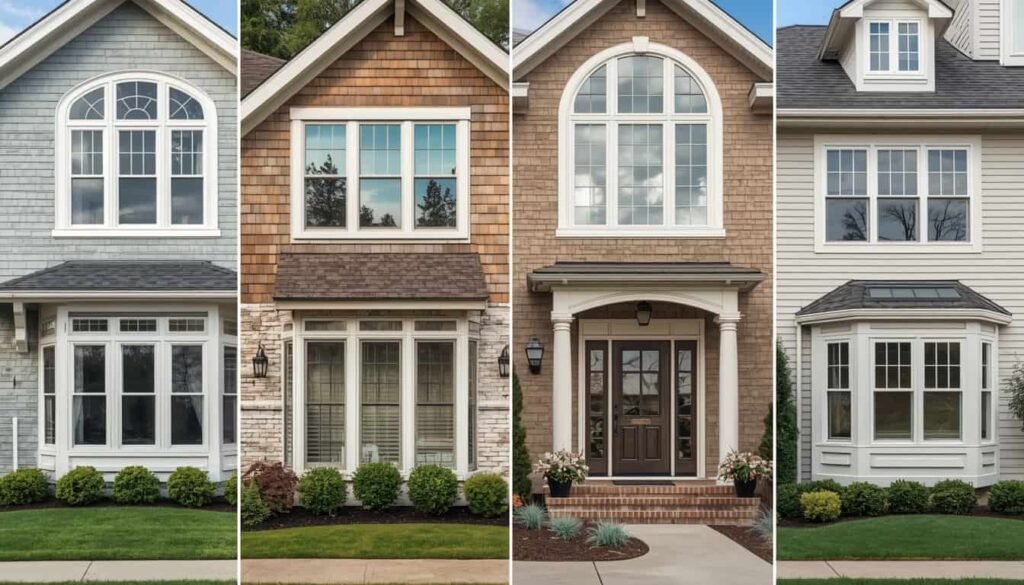
Window Replacement Cost Per Window
When homeowners search for replacement window cost estimates, the most common inquiry is simply: How much does one replacement window cost? On average, the total installed cost to replace a standard window ranges between $450 and $1,000 per window, combining both the manufacturing unit price and professional installation labor.
However, because specifications vary widely from basic vinyl pocket inserts to premium multi-pane custom architectural glass, per-window pricing serves as a helpful baseline rather than a universal guarantee. Actual pricing depends heavily on your material choices, local contractor rates, and existing window frame conditions.
Understanding Unit Cost vs. Installation Cost
To evaluate a contractor quote or establish an accurate project budget, it is essential to distinguish between the individual components that make up the final price:
- Window Unit Cost: The manufacturing price of the window sash, frame, and glass package itself. Budget vinyl frames sit at the lower end, while wood, composite, or triple-pane options command higher material costs.
- Installation Labor Cost: The professional labor required to measure, level, secure, insulate, and seal the new window into the rough opening.
- Total Installed Cost: The comprehensive figure combining the window unit, labor, removal of old materials, disposal fees, and necessary finishing touches.
Planning Ranges by Quality Level
The table below outlines typical installed planning ranges per window across common tier categories:
| Category / Quality Tier | Typical Unit Cost | Installation Labor | Total Installed Cost (Per Window) |
|---|---|---|---|
| Budget Replacement Standard vinyl, double-pane glass, pocket install | $180 – $300 | $150 – $250 | $330 – $550 |
| Mid-Range Replacement Upgraded vinyl/aluminum, Low-E glass, standard install | $300 – $600 | $200 – $350 | $500 – $950 |
| Premium Replacement Wood, fiberglass, composite, triple-pane or architectural | $650 – $1,500+ | $350 – $600+ | $1,000 – $2,100+ |
What is Included in a Quoted Price "Per Window"?
When reviewing contractor bids, homeowners should always verify exactly what items are bundled into the quoted rate. A professional quote should explicitly itemize whether the cost to replace one window includes:
- Removal and hauling away of the old window unit
- Disposal fees
- Low-expansion foam insulation and weatherproofing sealant
- Exterior capping, cladding, or flashing work
- Interior trim, casing, or paint touch-ups
- Any necessary minor framing or wood sill repairs
Omitting these scope items can lead to unexpected add-on charges later in the project.
Practical Budgeting Example
Using a per-window average helps establish initial expectations. For instance, if you estimate a typical mid-range installed price of $750 per window and plan to replace 8 windows, your preliminary budget baseline would be roughly $6,000 before accounting for regional labor adjustments, local permit fees, or custom architectural dimensions.
Keep in mind that individual windows within the same home can vary in price. A standard double-hung bedroom window will typically cost less than a large picture window in the living room or a multi-panel bay window in the kitchen.
How Much Does It Cost to Replace 5, 10, 15, or 20 Windows?
When planning a home improvement project, evaluating the total window replacement project cost by quantity is one of the most effective ways to establish a reliable baseline budget. While per-window averages help set expectations, total project expenditure scales with the overall scope of work.
To help homeowners quickly answer questions regarding specific project sizes, the planning ranges below outline installed costs across common quantities.
| Number of Windows | Budget Planning Range | Mid-Range Planning Range | Premium Planning Range |
|---|---|---|---|
| 5 Windows | $1,650 – $2,750 | $2,500 – $4,750 | $5,000 – $10,500+ |
| 10 Windows | $3,300 – $5,500 | $5,000 – $9,500 | $10,000 – $21,000+ |
| 15 Windows | $4,950 – $8,250 | $7,500 – $14,250 | $15,000 – $31,500+ |
| 20 Windows | $6,600 – $11,000 | $10,000 – $19,000 | $20,000 – $42,000+ |
Note: Figures represent estimated planning ranges combining standard manufacturing units and professional installation labor. Actual contractor pricing varies by region, site conditions, and window specifications.
How Quantity Impacts Overall Project Scope
Replacing multiple windows involves more than simply multiplying a single unit price. While material expenses scale directly with the number of windows ordered, labor logistics, crew mobilization, site setup, delivery management, and debris disposal interact across the entire project scope.
Larger multi-window projects often benefit from streamlined contractor staging and crew efficiency, though substantial whole-home renovations may also require extended labor timelines and rigorous finishing work.
How Much Does It Cost to Replace 5 Windows?
A 5-window project typically represents a partial home upgrade—such as replacing drafty windows across a single room level or facing a specific side of the house. Estimated planning totals generally run between $2,500 and $5,000 for mid-range configurations.
How Much Does It Cost to Replace 10 Windows?
Ten windows is one of the most common mid-sized replacement scopes for standard single-family residences. This quantity usually addresses the primary living areas and bedrooms, with mid-range project planning budgets spanning $5,000 to $9,500.
How Much Does It Cost to Replace 15 Windows?
A 15-window replacement project typically covers a large portion or nearly all of a mid-sized home. Because this scale significantly impacts home energy efficiency and exterior appearance, mid-range budgets generally range between $7,500 and $14,250.
How Much Does It Cost to Replace 20 Windows?
Replacing 20 windows represents a major whole-house installation common in larger multi-story properties. Total project budgets for this scale frequently range from $10,000 to $19,000 or more depending on architectural styles and frame materials.
Whole-House Window Replacement Cost
Defining a "whole-house" replacement cost depends entirely on your home's layout. Smaller bungalows or townhomes may feature 8 to 12 windows, while larger detached residences easily contain 20 to 30 or more openings, including specialty shapes and basement sliders. Whole-house budgeting requires multiplying your specific window count by your chosen quality tier while factoring in uniform disposal and project mobilization overhead.
Practical Budgeting Example
Suppose you are planning to replace 10 mid-range double-hung windows using standard pocket installation. Taking a baseline average of $750 to $950 per installed window establishes a preliminary project baseline of $7,500 to $9,500. Homeowners can use this initial framework to compare against formal contractor bids before finalizing product upgrades or optional trim work.
What Can Make the Total Cost Higher or Lower?
While quantity sets the structural baseline for your budget, several project-wide variables can shift total costs upward or downward:
- Window sizing and custom dimensions: Oversized or non-standard openings require specialized manufacturing.
- Window style selection: Mixing standard sliders with complex architectural or bay windows alters material expenses.
- Frame material choices: Upgrading from standard vinyl to wood, composite, or fiberglass impacts overall material pricing.
- Installation conditions: Second-story access or difficult structural framing requirements increase labor time.
- Removal and finishing scope: Extensive trim repairs, lead-safe handling, or full-frame tear-outs add labor overhead.
Quantity-based estimates remain valuable tools for early financial planning, but actual contractor quotes should always be secured to verify specific site conditions and precise product selections.
Window Replacement Cost by Window Type
When planning a home improvement project, understanding replacement window prices by type is essential. The style and operational configuration of a window heavily influence both manufacturing expenses and installation complexity. Simple, standard operating units generally cost less to replace, whereas large, multi-panel, or architectural specialty configurations require specialized structural support and higher material investments.
The comparative planning reference below outlines average installed costs across standard and specialty window types, combining typical product units and professional installation labor.
| Window Style / Type | Primary Operation / Design | Typical Installed Cost Range |
|---|---|---|
| Single-Hung Window | Bottom sash operates vertically; top sash is fixed | $300 – $600 per window |
| Double-Hung Window | Both top and bottom sashes tilt/operate vertically | $450 – $900 per window |
| Sliding Window | Sashes slide horizontally along tracks | $400 – $850 per window |
| Casement Window | Cranks outward on a side hinge like a door | $600 – $1,250 per window |
| Awning Window | Hinged at the top, opens outward from the bottom | $450 – $1,000 per window |
| Picture Window | Fixed, non-operable large glass pane for maximum views | $500 – $1,200+ per window |
| Bay Window | Angled projection of three windows extending outward | $1,500 – $4,000+ per unit |
| Bow Window | Curved projection of four or more connected windows | $2,000 – $4,500+ per unit |
| Specialty / Custom Shape | Geometric, arched, circular, or custom-built designs | $750 – $2,500+ per window |
Note: Figures represent estimated planning ranges including material and professional labor. Actual pricing varies based on local market rates, frame materials, and installation specifications.
Single-Hung Windows
Single-hung windows feature a stationary top sash and a bottom sash that slides vertically. Because they contain fewer mechanical balancing components than dual-operating styles, they are among the most economical choices available, with typical installed replacement costs ranging from $300 to $600. They are frequently used in traditional residential construction, multi-story buildings, and budget-conscious upgrades.
Double-Hung Windows
Double-hung windows allow both the top and bottom sashes to move vertically and tilt inward for easy interior cleaning. As one of the most popular styles across North American homes, they balance timeless architectural appeal with functional ventilation. Typical replacement costs range from $450 to $900 per window, depending on frame material and glass packages.
Sliding Windows
Sliding windows operate by gliding horizontally along tracks embedded in the frame. They are ideal for wide, short openings where vertical space is restricted, such as above kitchen sinks or in basements. Because their track mechanism is straightforward, installation is generally efficient, with project costs spanning $400 to $850.
Casement Windows
Casement windows are hinged on the side and crank outward using a hand crank mechanism, providing tight weather sealing and unobstructed views. Due to their mechanical hardware and precision engineering, casement units typically command higher prices than sliding or single-hung styles, averaging between $600 and $1,250 installed.
Awning Windows
Awning windows are hinged at the top and swing outward from the bottom, creating a protective roof-like canopy that sheds rain even while open. Frequently installed higher up on walls for privacy or paired beneath large picture windows, replacement costs typically range from $450 to $1,000.
Picture Windows
Picture windows are large, stationary glass panes designed to frame scenic outdoor views and maximize natural light. Because they do not open, they lack mechanical sashes or hardware, but their sheer glass size and specialized handling requirements place typical replacement costs between $500 and $1,200+.
Bay Windows
Bay windows consist of a central picture window flanked by two angled operating windows (usually 30 or 45 degrees) that project outward from the home's exterior wall. Replacing a bay window involves structural support brackets, roof tie-ins, and carpentry finishing, pushing typical project costs to between $1,500 and $4,000+.
Bow Windows
Bow windows create a gentle, curved projection using four or more matched window units arranged in a semicircle. Similar to bay windows, bow installations require meticulous exterior framing, head-and-seat board replacement, and professional weatherproofing. Typical bow window replacement costs range from $2,000 to $4,500+.
Specialty or Custom Windows
Architectural specialty windows encompass geometric, arched, circular, or custom-dimensioned glass configurations designed to accent unique home facades. Because these units require custom manufacturing molds and specialized glazing, replacement costs span anywhere from $750 to $2,500+ per opening.
Which Window Types Are Most Cost-Effective?
Standard single-hung, double-hung, and basic sliding windows are typically the most budget-friendly options to replace. Their mass-produced manufacturing standards and simplified pocket installation methods keep material and labor expenses down.
Which Window Types Cost the Most?
Bay, bow, large multi-panel picture units, and custom geometric shapes represent the highest-cost tier. Their complex framing, structural load considerations, and specialized carpentry finishing increase overall project investment.
Standard vs. Specialty Window Replacement Comparison
Homeowners must carefully distinguish between replacing standard rectangular openings and handling architectural specialty units. Standard operating windows (like double-hungs and sliders) fit predictable rough openings, allowing contractors to perform quick pocket or insert replacements. Specialty configurations, by contrast, often require full-frame tear-outs, custom exterior trim work, and structural header support.
How Window Size Interacts with Style
While style dictates mechanical operation, physical dimensions dictate scale. A small casement window in a powder room will cost significantly less than an oversized casement unit in a master bedroom. Similarly, upgrading glass square footage within the same window style increases both manufacturing material consumption and heavy-lift installation labor.
Evaluating replacement window prices by type provides a solid framework for initial project planning. Actual contractor bids will reflect your home's precise architectural style, rough opening dimensions, and local installation requirements.
Window Replacement Cost by Frame Material
When selecting replacement windows, the material used for the frame is one of the most significant determinants of both total project cost and long-term durability. Frame materials dictate structural rigidity, thermal performance, aesthetic presentation, and maintenance requirements. Different frame construction materials occupy distinct price tiers, ranging from cost-effective, low-maintenance options to premium architectural wood and engineered composites.
The comparative planning reference below outlines average installed replacement costs across major window frame materials, combining standard manufacturing units and professional installation labor.
| Frame Material | Primary Characteristics | Typical Installed Cost Range (Per Window) |
|---|---|---|
| Vinyl | Affordable, low maintenance, energy-efficient, highly popular | $400 – $750 |
| Aluminum | Strong, slim profiles, contemporary look, ideal for mild climates | $500 – $900 |
| Wood | Classic aesthetic, high insulation, customizable, requires upkeep | $900 – $1,800+ |
| Fiberglass | Exceptionally durable, dimensionally stable, premium performance | $850 – $1,600 |
| Composite | Engineered blend of wood fibers and polymers, superior strength | $900 – $1,700 |
Note: Figures represent estimated planning ranges including material and professional installation. Actual pricing varies by regional labor rates, window dimensions, and manufacturer specifications.
Vinyl Windows
Vinyl windows are the most widely installed replacement option in residential construction due to their exceptional balance of affordability and low maintenance. Constructed from rigid polyvinyl chloride (PVC), vinyl frames never require painting, staining, or sealing and resist rotting or corrosion. Typical installed replacement costs range from $400 to $750 per window, making them the primary choice for budget-conscious homeowners seeking reliable performance.
Wood Windows
Wood windows represent a premium architectural choice, prized for their natural warmth, traditional aesthetic appeal, and outstanding structural insulation. They are frequently specified for historic homes, luxury properties, and high-end custom builds where exterior or interior wood grain is desired. However, wood requires ongoing maintenance—such as regular painting or staining—to protect against moisture damage and weathering. Installed replacement costs typically range from $900 to $1,800+ per window.
Fiberglass Windows
Fiberglass window frames are manufactured from pultruded glass fibers and resin, creating an exceptionally strong, rigid structure that expands and contracts at nearly the same rate as glass. This dimensional stability prevents seal failures and makes fiberglass ideal for large window configurations and extreme temperature fluctuations. Requiring minimal maintenance while offering a sleek profile, fiberglass replacement windows typically range from $850 to $1,600 installed.
Composite Windows
Composite frames combine recycled wood fibers or sawdust with polymer resins or thermoplastic binders. This engineered formulation yields a robust material that mimics the rich appearance of wood while delivering the moisture and rot resistance of synthetic alternatives. Because manufacturing processes and polymer formulations vary significantly by brand, composite window pricing spans a broad spectrum, averaging between $900 and $1,700 installed.
Aluminum Windows
Aluminum frames offer high structural strength, allowing for exceptionally narrow frames and expansive glass areas favoured in modern architectural designs. While lightweight and durable, standard aluminum is a rapid thermal conductor and is best suited for mild climates or thermally broken engineering configurations. Typical installed replacement costs range from $500 to $900 per window.
Which Window Frame Material Is Cheapest?
Vinyl is consistently recognized as the most budget-friendly frame material. Its mass-produced availability, straightforward fabrication, and lack of required finishing keep both material manufacturing and overall installation expenses low.
Which Window Frame Material Is Most Expensive?
Premium architectural wood, heavy-duty fiberglass, and advanced composite frames occupy the highest-cost tier. Their specialized manufacturing requirements, heavy-duty structural engineering, and premium finishes increase overall project investment.
Vinyl vs. Wood vs. Fiberglass Comparison
Comparing the three most popular frame materials highlights key tradeoffs in price, maintenance, and longevity:
- Cost Level: Vinyl is economical and budget-friendly; fiberglass sits in the mid-to-high tier; wood commands premium pricing.
- Maintenance: Vinyl requires occasional washing; fiberglass is virtually maintenance-free; wood requires periodic painting or sealing.
- Appearance: Vinyl offers a clean, uniform plastic finish; fiberglass can be painted or textured; wood provides a rich, natural grain.
- Durability: Vinyl performs reliably for decades; fiberglass offers superior warp and temperature resistance; wood lasts indefinitely if properly maintained against moisture.
Frame Material as Part of Total Project Cost
While frame material heavily influences material expenditure, it represents only one component of your comprehensive window replacement budget. Total project costs are also shaped by your chosen window style, overall opening dimensions, glass package specifications, labor complexity, existing frame condition, and local contractor pricing.
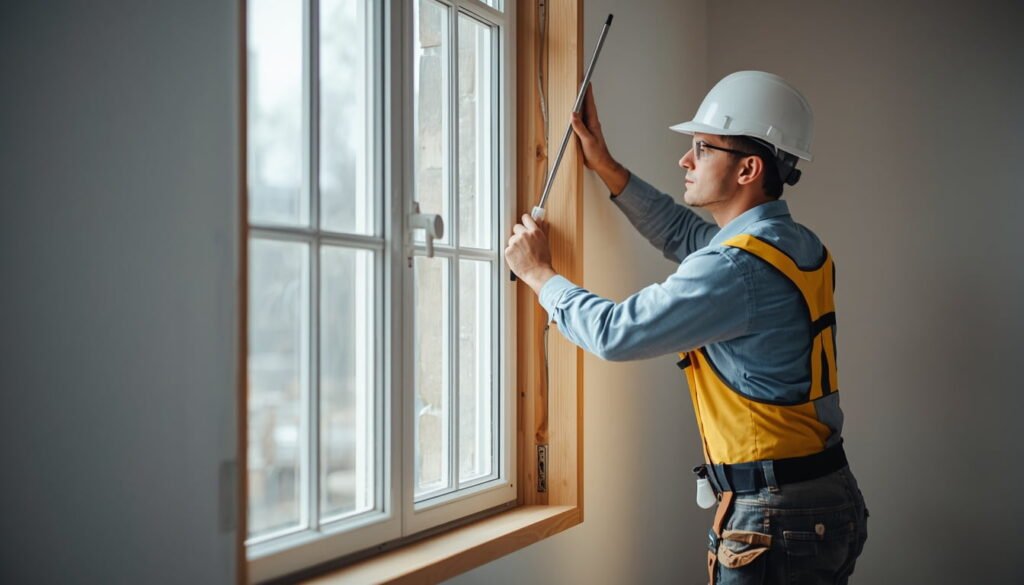
Window Installation, Labor, Removal & Finishing Costs
When budgeting for window replacement, homeowners often discover that the final project price involves much more than the window product itself. Professional installation labor, old window removal, hauling, disposal fees, and interior or exterior finishing work account for a substantial portion of the overall investment. Understanding how these separate operational elements contribute to the total cost ensures you can evaluate contractor bids accurately.
The cost breakdown reference below outlines typical planning ranges for installation-related tasks on a per-window basis, illustrating how separate elements can be bundled into a total installed price or itemized individually.
| Installation & Labor Category | Description of Work | Typical Planning Cost (Per Window) |
|---|---|---|
| Installation Labor | Professional fitting, leveling, fastening, and sealing | $150 – $350+ per window |
| Old Window Removal | Careful extraction of existing sashes and framing elements | $30 – $75 per window |
| Disposal & Hauling | Transporting and discarding old glass, frames, and debris | $15 – $40 per window |
| Interior Trim / Casing | Reinstalling or replacing interior molding and trim stops | $40 – $90 per window |
| Exterior Capping / Cladding | Aluminum or vinyl wrapping exterior wood trim for weather protection | $45 – $100 per window |
Note: Figures represent estimated planning ranges. Comprehensive contractor quotes frequently package several of these items into a single all-inclusive installed rate.
Window Installation Labor Cost
Window installation labor typically ranges from $150 to $350+ per window, depending on local contractor rates and project complexity. Labor covers the skilled tradesperson's time required to square, level, anchor, insulate, and weather-seal the new window unit. Installation difficulty—such as working on multi-story levels or managing tight structural constraints—can increase labor time and overall expenses.
Window Removal and Disposal Cost
Removing and discarding existing units involves carefully detaching old sashes, frames, and exterior stops without damaging surrounding wall finishes. Disposal fees cover hauling away old glass, vinyl, aluminum, or wood waste to certified recycling or disposal facilities. While many professional installation companies bundle removal and disposal into their core quoted rate, some local contractors itemize these services separately.
Window Trim and Finishing Costs
Once a window is secured into the rough opening, finishing work ensures a polished appearance and airtight seal. Interior casing, decorative trim restoration, caulking, and exterior aluminum capping (cladding) protect vulnerable wood trim from moisture intrusion while restoring aesthetic appeal. Finishing work typically adds between $40 and $100 per window depending on whether trim is reused or replaced entirely.
Does Window Replacement Include Installation?
A frequent point of confusion for homeowners is whether purchasing replacement windows includes installation. Generally, retail window suppliers sell window units "product-only," meaning the price covers manufacturing and delivery to the job site but excludes labor. Conversely, home improvement contractors and specialty window replacement companies typically quote an "installed replacement price," which bundles the product unit, installation labor, removal, and basic finishing into a comprehensive project agreement.
What Is Usually Included in a Window Installation Quote?
When reviewing a standard professional installation agreement, a comprehensive quote commonly bundles the following baseline items:
- The custom-manufactured window unit and insulated glass package
- Standard installation labor by certified technicians
- Low-expansion foam insulation and perimeter weatherproofing sealant
- Basic extraction and removal of the old window unit
- Job site cleanup and debris hauling
Always verify specific inclusions with your contractor before signing a contract to prevent misunderstandings about project scope.
What May Cost Extra?
Certain job site conditions or specialized requests are rarely covered in a standard installation package and may incur additional charges:
- Extensive wood rot or water-damaged rough framing that requires structural carpentry repair
- Lead-safe containment and specialized handling protocols for homes built prior to 1978
- Difficult or restricted site access, such as second-story openings situated above hard landscaping
- Custom interior millwork or matching historic decorative trim profiles
- Local municipal building permits and inspection fees
Comparing Combined vs. Itemized Quotes
One contractor may present a single headline price per window that includes everything, while another itemizes units, labor, and disposal separately. Comparing the scope of work rather than just the top-line number ensures you are evaluating equivalent services.
Why Installation Labor Rates Vary
Regional labor markets, prevailing wage differentials, company overhead, and crew certification levels all influence hourly or per-opening installation rates. Independent installers may charge less than national full-service replacement franchises, but service guarantees can differ.
Evaluating Installation Quotes
Carefully examining how a contractor structures labor, removal, and finishing expenses allows homeowners to protect their budgets and avoid surprise change orders. Requesting itemized clarifications for trim work, disposal, and potential framing repairs provides total transparency before any tools touch your walls.
Insert vs. Full-Frame Window Replacement Cost
When planning a window replacement project, homeowners encounter two primary installation methods: insert replacement (also known as pocket replacement) and full-frame replacement. Insert replacement is generally less invasive and typically involves lower labor costs because the existing window frame remains intact. Conversely, full-frame replacement involves stripping the opening down to the rough structural studs, requiring more intensive labor, exterior capping, and interior trim work.
Choosing between these two approaches depends heavily on the structural condition of your current frames, your design goals, and project budget considerations. Neither method is universally superior for every home.
| Feature / Comparison | Insert (Pocket) Replacement | Full-Frame Replacement |
|---|---|---|
| What Is Removed | Old sashes, tracks, and operating hardware only | Entire window unit, frame, sills, and casing down to studs |
| What Remains | The original structural outer frame and interior trim | Nothing except the bare rough opening framing |
| Installation Scope | Faster, less invasive, completed primarily from the interior | Comprehensive, involves exterior siding/brickmould and interior trim |
| Relative Cost | Generally lower overall project cost | Higher cost due to extensive labor and finishing materials |
| Glass Opening Size | Slightly reduced glass area (fits inside existing frame) | Maximizes or retains original glass viewing area |
| Best Applied When | Existing frames are structurally sound and plumb | Frames are rotted, damaged, drafty, or size changes are needed |
Note: Comparative scopes illustrate standard industry installation differences. Actual project pricing and labor requirements depend on local contractor evaluation and home specifics.
What Is an Insert Window Replacement?
An insert window replacement is designed to fit directly inside your home’s existing window frame. The contractor removes the old sashes, weights, and operational hardware while leaving the original exterior and interior frame intact. A new, self-contained replacement window unit is then secured inside that existing opening, sealed, and trimmed. Because surrounding interior walls, siding, and paint are rarely disturbed, insert replacement is fast, cost-effective, and practical when existing wooden or vinyl frames are completely solid and square.
What Is a Full-Frame Replacement?
A full-frame window replacement involves removing the entire existing window system—including the sashes, frame, sill, and exterior trim—down to the bare rough opening studs. This technique allows contractors to thoroughly inspect underlying framing for water damage or rot, install proper new flashing and insulation, and ensure a completely square opening. Full-frame installation also permits homeowners to change the overall size or architectural shape of the window.
Insert vs. Full-Frame Replacement Cost
Because full-frame replacement requires extensive carpentry, exterior capping, flashing, and interior casing restoration, it involves higher labor and material overhead than insert installation. While exact pricing varies based on window dimensions, material selection, and regional contractor rates, full-frame installations typically add $150 to $400+ per window compared to standard insert installations of the same product tier.
When Insert Replacement Makes Sense
Insert replacement is an ideal choice when:
- Your current window frames are structurally sound, free of rot, and square in their openings.
- You want to minimize installation time, household disruption, and project labor expenses.
- Your existing interior trim and exterior siding are in excellent condition and you prefer not to disturb them.
When Full-Frame Replacement Makes Sense
Full-frame replacement is necessary or preferred when:
- Existing frames show signs of water infiltration, structural rot, or severe warping.
- You want to expand or alter the rough opening size or switch window configurations (such as turning a sliding window into a large picture window).
- Drafts or insulation gaps persist around the perimeter of the existing outer frame.
Which Is Cheaper: Insert or Full-Frame?
Insert replacement is almost always less expensive upfront because it bypasses extensive framing work and finishing labor. However, choosing an insert when a frame is structurally compromised can lead to costly repairs down the road.
Which Is Better: Insert or Full-Frame?
Neither method is universally superior. If frames are healthy, inserts save time and money. If frames are damaged or energy efficiency is compromised by poor rough framing, full-frame replacement provides a necessary reset.
Insert vs. Full-Frame Pros and Cons Summary
Reviewing the distinct advantages and limitations of each approach helps clarify project expectations:
- Insert Pros: Fast installation, minimal interior disruption, lower labor costs, preserves existing trim.
- Insert Cons: Reduces glass viewing area slightly, does not fix underlying frame rot, relies on old framing integrity.
- Full-Frame Pros: Allows inspection of rough openings, maximizes glass area, corrects structural flaws, provides complete weatherproofing renewal.
- Full-Frame Cons: Higher total cost, more complex labor scope, requires new interior/exterior finishing work.
Practical Budgeting Example
Consider two homeowners replacing 10 windows of identical material and quality. Homeowner A chooses pocket inserts because their existing frames are straight and solid, resulting in a streamlined installation budget. Homeowner B discovers hidden moisture damage and rotting sills around half their windows, requiring full-frame tear-outs and carpentry remediation for those openings. Even with identical windows, Homeowner B's project quote will be significantly higher due to the increased installation and structural labor scope.
What Factors Affect Window Replacement Cost?
Window replacement cost is rarely determined by a single variable. When homeowners compare contractor proposals for similar numbers of windows, pricing can vary significantly due to a combination of physical dimensions, product specifications, material selection, installation complexity, structural conditions, and geographic labor rates. Understanding these variables explains why project estimates differ and helps clarify how specific choices impact your total investment.
The cost-factor breakdown reference below outlines how various project elements influence price movement, shifting total costs upward or downward from a baseline average.
| Cost Factor | Lower-Cost Scenario | Higher-Cost Scenario |
|---|---|---|
| Window Size | Small standard window dimensions | Large, oversized, or non-standard glass dimensions |
| Quantity | Single window replacement | Whole-house multi-window project |
| Window Type | Simple standard operating style (single-hung or slider) | Bay, bow, casement, or specialty architectural design |
| Frame Material | Standard vinyl frames | Wood, architectural fiberglass, or advanced composite |
| Glass Packages | Standard double-pane insulated glass | Triple-pane, specialty coatings, or laminated impact glass |
| Installation Method | Straightforward pocket/insert installation | Full-frame replacement with extensive structural work |
| Labor & Access | Ground-floor level with clear access | Upper-story access or restricted landscaping clearances |
| Existing Opening | Plumb, square, and completely sound framing | Hidden water damage, rotted sills, or out-of-square framing |
| Finishing Scope | Minimal caulking and reuse of existing trim | New interior casing, custom millwork, and exterior capping |
| Geographic Location | Regions with lower prevailing labor costs | High-cost metropolitan areas or strict regional code zones |
Note: The table illustrates directional cost impact rather than fixed pricing. Actual project variations depend on specific manufacturer lines and contractor scopes.
Primary Window Replacement Cost Drivers
While numerous elements influence a project estimate, several core components consistently exert the greatest effect on your overall budget:
1. Window Size and Quantity
Physical dimensions directly dictate material consumption and manufacturing effort. A small powder-room window requires significantly less material and labor than a large living room picture window. Similarly, total project expenditure scales with the number of openings being upgraded, though larger multi-window projects can optimize crew scheduling and mobilization efficiency.
2. Window Style and Frame Material
The operational mechanism and frame composition dictate the base unit price. Standard single-hung or sliding windows paired with vinyl frames represent the most accessible cost tier. Conversely, complex operating hardware (like casements), architectural projections (such as bay or bow units), and premium frame materials (like solid wood or structural fiberglass) command higher material investments.
3. Installation Complexity and Existing Opening Condition
The physical condition of your rough opening plays a massive role in labor costs. When existing frames are straight and solid, straightforward pocket installations keep labor times efficient. However, hidden water infiltration, rotting sill plates, or warped framing require carpentry remediation, shimming, and leveling that increase labor hours and material overhead.
4. Glass Specifications and Energy Packages
Upgrading from standard double-pane glass to advanced multi-pane configurations, inert gas fills, or specialized low-emissivity (Low-E) coatings affects the material price of each window unit. Specialty glass packages tailored to extreme local climates or acoustic dampening add to the base unit cost.
How Multiple Factors Compound
In practice, cost factors do not operate in isolation—they compound. For example, replacing a small, standard-size vinyl window in an accessible ground-floor opening is a rapid, straightforward procedure. By contrast, replacing a large custom wood-framed casement window on an upper story with compromised framing, difficult landscaping access, and custom interior millwork requires substantial specialized labor, structural framing support, and extended installation time.
Why Two Window Replacement Quotes Can Differ
Homeowners frequently wonder why two competing contractors can submit noticeably different bids for the same house. Discrepancies usually stem from differing project assumptions, including:
- Product Specifications: Contractor A may quote standard economy-tier vinyl windows, while Contractor B specifies heavy-duty composite or premium fiberglass frames.
- Installation Scope: One bid may assume quick pocket inserts, whereas another includes full-frame tear-outs, exterior capping, and new flashing.
- Finishing Allowances: Variations in whether interior trim replacement, custom casing, or exterior aluminum wrapping are included or billed separately.
- Warranty & Overhead: Differences in labor guarantees, manufacturer warranty backing, disposal fees, and local company overhead.
Geographic Location and Local Market Rates
Where your home is located heavily influences labor pricing. Prevailing wage rates, local contractor demand, regional building code compliance requirements, and municipal permit fees mean that identical window replacement projects can cost more in high-cost metropolitan markets than in suburban or rural regions.
How Much Do Energy-Efficient Windows Cost?
Energy-efficient windows generally cost more upfront than basic replacement units due to advanced glazing technologies, multi-pane glass construction, inert gas fills, specialized coatings, and high-performance spacers. However, the final price depends on window sizing, style, frame material, installation requirements, and local labor rates. Understanding how these performance features affect pricing helps homeowners balance upfront investment against long-term indoor comfort.
The comparative reference below outlines common energy-efficient window features, their primary functions, and their relative cost positions within the replacement market.
| Energy-Efficient Feature | Primary Function / Benefit | Relative Cost Position |
|---|---|---|
| Standard Double-Pane | Basic insulating air space between two glass panes | Lower (Market Baseline) |
| Low-E Glass Coatings | Microscopically thin metallic layers reflecting heat and UV rays | Moderate (Often Standard) |
| Argon Gas Fills | Denser-than-air gas fill enhancing thermal insulation | Moderate |
| Triple-Pane Glass | Adds a third glass pane and dual insulating chambers | Higher |
| Advanced Glazing Packages | Combines multiple Low-E coats, krypton gas, and specialized tints | Higher |
| ENERGY STAR-Qualified Units | Independently certified to meet strict regional climate criteria | Varies by Product Tier |
Note: Relative cost positioning illustrates how performance upgrades shift the price relative to baseline models. Exact figures vary by manufacturer lines and regional supplier pricing.
Double-Pane vs. Triple-Pane Windows
Standard modern replacement windows utilize double-pane construction, featuring two panes of glass separated by a sealed insulating spacer. Triple-pane windows add an extra layer of glass and a second sealed gas chamber, substantially increasing thermal performance and acoustic dampening. However, triple-pane windows typically add 15% to 30% or more to the cost of the window unit due to heavier glass weight, specialized frame engineering, and increased manufacturing complexity. While valuable in extreme cold climates, homeowners should evaluate whether triple-pane performance is justified over double-pane units for their specific local weather conditions.
Low-E Glass and Gas Fills
Low-emissivity (Low-E) glass coatings are microscopic, transparent metallic layers applied to glass surfaces to reflect infrared heat back into your home during winter while blocking solar heat gain during summer. Sealed spaces between glass panes are frequently filled with argon gas—an inert, non-toxic gas denser than air that reduces conductive heat transfer. While many quality replacement windows now include baseline Low-E coatings, advanced multi-layer coatings and specialized gas fills increase unit pricing.
Understanding U-Factor and Solar Heat Gain Coefficient (SHGC)
Evaluating energy-efficient windows relies on certified performance ratings rather than marketing labels:
- U-Factor: Measures how well a window prevents heat from escaping. Lower U-factor numbers indicate superior insulating performance.
- Solar Heat Gain Coefficient (SHGC): Measures how well a window blocks heat caused by sunlight. Lower SHGC ratings block more solar heat (ideal for warm climates), while higher ratings allow solar heat to warm the home in colder regions.
ENERGY STAR and Climate-Appropriate Selection
ENERGY STAR-qualified windows meet specific energy performance criteria established for distinct geographic climate zones across North America. Choosing windows rated for your local climate ensures optimal thermal efficiency without paying for unnecessary performance tiers. Pricing for ENERGY STAR models varies depending on the underlying frame material and glass package required to meet regional standards.
Is the Extra Cost Worth It?
Upgrading to high-performance energy-efficient glass makes the most sense in regions with extreme seasonal temperatures, homes with heavy solar exposure, or for owners planning to remain in their residence long-term. Local utility rebates and federal tax incentives can also offset higher upfront costs.
Practical Price Example
Two visually identical double-hung windows can carry different price tags because Unit A features standard clear double-pane glass, while Unit B incorporates multi-layer Low-E coatings, argon gas fills, and an insulated composite frame engineered to meet strict climate performance standards.
Window Replacement vs. Repair: Which Costs Less?
Repair is often cheaper when the damage is isolated and the rest of the window is in good condition. Replacement may provide better value when the window has multiple problems, is significantly deteriorated, performs poorly, or requires expensive recurring repairs. Determining whether to fix a failing window or invest in a full replacement depends on evaluating the severity of the damage, the window's age, and long-term operating reliability.
The comparative reference below outlines common window issues and identifies whether repair or replacement is typically the more practical and cost-effective approach.
| Common Window Situation | Usually Better Option | Primary Reasoning |
|---|---|---|
| Cracked Single Glass Pane | Repair | Problem is localized to a single replaceable component. |
| Broken Hardware (Locks/Cranks) | Repair | Window structure, seal, and frame remain fully sound. |
| Failed Insulated Glass Seal (Fogging) | Repair or Glass Unit Swap | Can often replace just the insulated glass unit (IGU) if framing is solid. |
| Minor Weatherstripping Wear | Repair | Inexpensive seal maintenance restores draft protection. |
| Rotting Frame or Sill | Replacement | Structural deterioration compromises integrity and weatherproofing. |
| Severe Water Intrusion or Leaks | Replacement / Assessment | May indicate failing rough-opening flashing or deteriorated framing. |
| Repeated Component Failures | Replacement | Cumulative repair costs eventually surpass the value of a new window. |
| Widespread Poor Insulation / Drafts | Replacement | Upgrading to modern insulated units provides lasting thermal efficiency. |
Note: Optimal choices depend on the specific physical condition of individual windows and surrounding framing.
When Repairing a Window Makes Sense
Repairing an existing window is generally the most economical choice when damage is isolated to a single replaceable part and the surrounding frame is completely sound. If a window operates smoothly, seals tightly against weather elements, and suffers only from a broken latch, a torn weatherstrip, or a cracked single glass pane, targeted repairs keep immediate expenses low. Component replacement or glass unit swaps extend functionality without the labor overhead of full window extraction.
When Replacing a Window Makes More Sense
Replacement becomes the more practical and cost-effective long-term solution when windows exhibit structural decline, widespread component failure, or chronic operational problems. If frames suffer from advanced wood rot, sills are warped, seals have failed across multiple older units, or moisture intrusion is damaging surrounding wall cavities, continuous patching offers diminishing returns. Investing in modern replacement windows eliminates recurring maintenance headaches and restores home comfort.
Upfront Repair Cost vs. Long-Term Value
Homeowners evaluating repair versus replacement must consider long-term utility alongside immediate expenses. While a minor repair costs substantially less upfront than installing a brand-new window, paying for repeated service calls on an aging, drafty window quickly accumulates. The cheapest immediate option is not always the lowest-cost choice over time, especially if an old window continues to compromise energy efficiency and home security.
Consider Repair When:
The problem is isolated to a single hardware piece or minor seal, the frame is structurally sound, the window opens and closes properly, and repair expenses remain a small fraction of replacement costs.
Consider Replacement When:
Multiple components are failing simultaneously, frames show rot or severe wear, drafts persist despite weatherstripping, or repair costs approach the price of a brand-new unit.
Practical Decision-Making Example
Consider two common homeowner scenarios: In Scenario A, a single, high-quality double-hung window in a modern home has a broken sash lock; replacing the latch is a quick, inexpensive fix that restores full security. In Scenario B, a home features fifteen aging windows with fogged glass panes, warped vinyl frames, and stubborn latches that no longer seal properly. In Scenario B, investing in professional replacement provides better long-term value than pouring repair funds into failing, outdated units.
Window Replacement Cost FAQs
Get clear answers to common questions about window replacement costs, installation, window types, materials, labor, energy-efficient upgrades, and the factors that can make one replacement project more expensive than another.
No matching questions found
Try searching using terms like "cost", "labor", "vinyl", "installation", or "repair".
Window replacement commonly costs several hundred dollars per window, but the total can range from relatively modest prices for basic standard windows to well over $1,000 for large, specialty, or premium installations. Window size, type, frame material, glass, labor, removal, finishing, location, and installation method all affect the final price.
Replacing one window can cost a few hundred dollars for a straightforward standard installation, while larger, custom, or specialty windows can cost substantially more. A single-window project may also have a higher per-window cost because the contractor cannot spread setup, travel, removal, and other project costs across several windows.
Replacing multiple windows at once can reduce the average cost per window because labor, preparation, delivery, and other project costs may be spread across the entire job. Contractors may also offer volume pricing, although savings are not guaranteed and depend on the windows, installation scope, location, and contractor.
Standard-size vinyl windows with relatively simple designs are often among the more affordable replacement options. Common styles such as single-hung or basic double-hung windows can also be less expensive than large bay, bow, casement, or custom windows. Actual pricing depends on size, specifications, installation, and local labor.
There is no single best window frame material for every home. Vinyl is often chosen for affordability and low maintenance, wood for appearance and traditional character, fiberglass for strength and stability, and aluminum for certain applications. The right choice depends on budget, climate, appearance, maintenance preferences, and performance requirements.
Energy-efficient windows generally cost more upfront when they include upgraded glass, Low-E coatings, insulating gas fills, multiple panes, or other performance features. However, the price difference varies by product. Climate, existing window performance, energy costs, and how long you plan to own the home can help determine whether an upgrade makes sense.
Double-pane windows have two panes of glass separated by an insulating space, while triple-pane windows use three panes and two insulating spaces. Triple-pane units generally provide greater insulation but also cost more and can weigh more. Whether the upgrade is worthwhile depends on climate, window specifications, energy goals, and budget.
Window replacement quotes may include installation, but homeowners should confirm exactly what is included before comparing prices. A quote may cover labor, removal of the old window, disposal, basic finishing, and installation, while another may list some of these items separately. Always compare the complete project scope rather than the window price alone.
An insert replacement typically fits a new window into an existing sound frame, while a full-frame replacement removes more of the existing window assembly and allows the opening to be rebuilt or altered as needed. Full-frame work usually involves more labor and finishing, but may be appropriate when the existing frame or surrounding components are damaged.
Window replacement quotes can vary because contractors may be pricing different windows, glass packages, installation methods, labor requirements, removal work, finishing, warranties, and repair allowances. Local labor rates and project accessibility can also change the price. A lower quote is not necessarily cheaper if it includes fewer materials or a smaller scope of work.
The biggest window replacement cost drivers are usually window size, quantity, style, frame material, glass specifications, installation complexity, labor rates, and the condition of the existing opening. Custom sizes, specialty designs, difficult access, extensive removal, or structural repairs can increase the project cost beyond a basic replacement.
Repair is usually cheaper when a window has one isolated problem and the frame and surrounding opening remain in good condition. Replacement can provide better value when the window has multiple failures, significant deterioration, recurring problems, or poor performance. The right choice depends on repair cost, remaining useful life, and overall window condition.
Consider replacement when windows have extensive frame deterioration, recurring failures, persistent air or water leakage, poor operation, or several problems that would require repeated repairs. Replacement may also make sense when older windows perform poorly and suitable repair parts are difficult to find. A professional inspection can help identify hidden damage.
Replacing 10 windows can cost several thousand dollars, but the actual total depends heavily on the window type, size, frame, glass, installation method, labor rates, and condition of the openings. Ten basic standard windows can have a very different project price from ten large, custom, or specialty windows requiring extensive installation work.
Old-window removal and disposal may be included in a replacement quote, but they are not automatically included in every contractor's price. Some estimates list removal, disposal, trim work, and finishing separately. Ask for an itemized scope so you know whether the quoted price covers removing the existing window and completing the opening.
Replacement windows can remain serviceable for many years, but there is no single lifespan that applies to every product or home. Material quality, installation, climate, exposure, maintenance, operating frequency, and water management all affect durability. A well-installed window that is properly maintained can generally last significantly longer than one exposed to severe conditions or poor installation.
Our Trusted Sources
Our window replacement cost estimates, energy-efficiency guidance, window performance information, and installation considerations are informed by trusted government agencies, building-code organizations, energy-efficiency programs, and recognized window and door industry organizations.
Reliable window replacement information requires more than a single national price estimate. Window costs and performance can vary based on size, window type, frame material, glazing, installation method, climate, and local building requirements. By referencing recognized government agencies, energy-efficiency programs, performance-rating organizations, and building-code resources, Calculante aims to keep its educational information aligned with established industry and residential construction guidance.
Related Calculators
Explore these related Calculante calculators to estimate other home improvement costs, energy expenses, and project requirements that may help you plan your window replacement project.