
Customize your home specs in the HVAC Replacement Cost Calculator below to see itemized pricing breakdowns.
HVAC Replacement Cost Calculator
Customize your home specifications, equipment type, and efficiency choices to get instant, highly accurate installation estimates and lifetime energy savings.
Average HVAC Replacement Costs (2026)
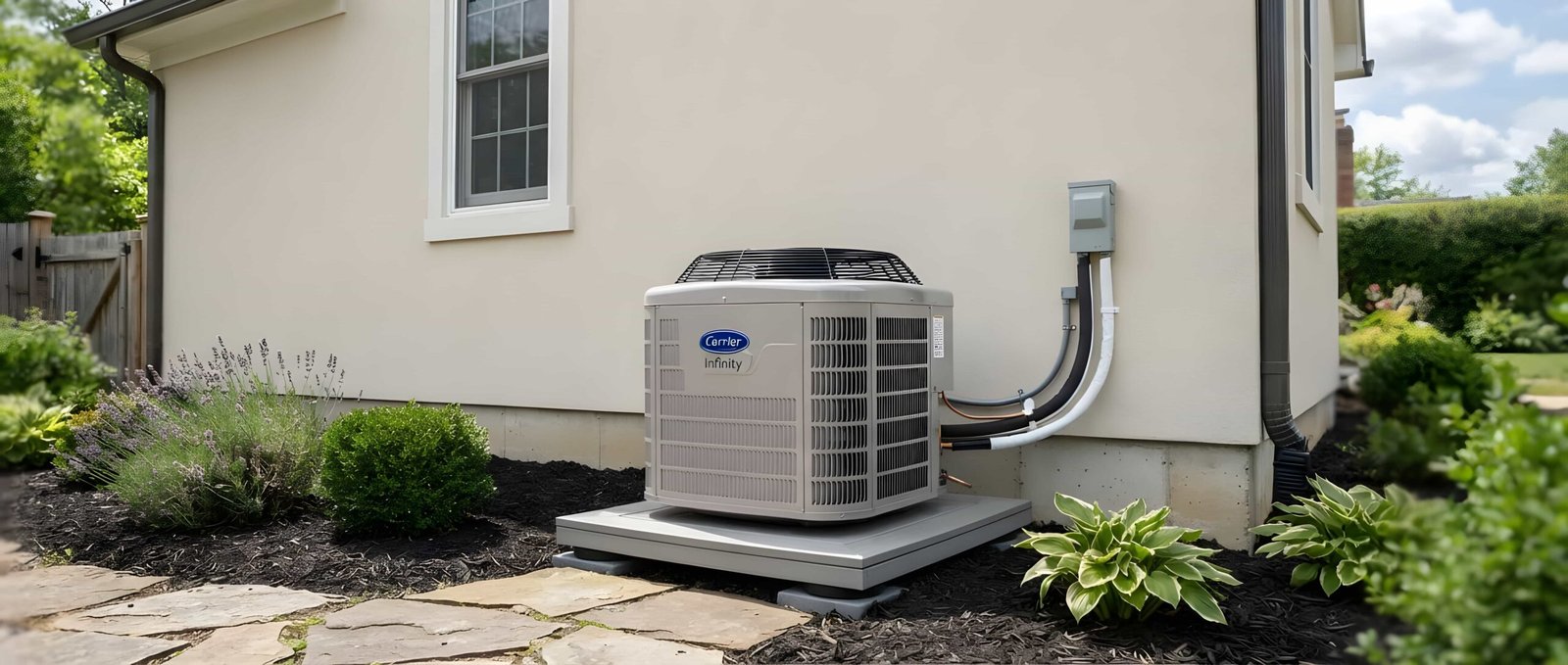
Understanding the average HVAC replacement cost is essential when budgeting for home upgrades. Across the United States, a new HVAC system cost typically ranges from $5,000 to $12,500, with national average HVAC replacement costs hovering around $8,500 including professional installation.
Actual prices vary significantly based on your preferred system type, home size, fuel source, efficiency ratings (SEER2), and regional labor rates. Use our interactive pricing guide below to explore cost ranges, or use the calculator above for a personalized estimate.
| HVAC System | Typical Home Size | Average Installed Cost | Typical Cost Range | Cost Indicator | Includes Installation? |
|---|---|---|---|---|---|
| Central Air Conditioner | 1,500 – 2,200 sq ft | $5,800 | $3,800 – $8,200 | Budget |
EEquipment included
IProfessional installation included
TThermostat usually included
PPermit costs vary by municipality
DDuctwork usually not included
|
| Gas Furnace | 1,200 – 2,500 sq ft | $4,500 | $3,000 – $7,200 | Budget |
EEquipment included
IProfessional installation included
TThermostat included
PPermits required for gas lines
DDuctwork extra
|
| Electric Furnace | Under 1,500 sq ft | $3,200 | $2,000 – $4,800 | Budget |
EEquipment included
IInstallation included
TThermostat included
PPermit usually extra
|
| Heat Pump System | 1,800 – 2,800 sq ft | $8,200 | $5,500 – $13,000 | Mid-Range |
EEquipment included
IInstallation included
TSmart Thermostat included
PPermits vary
|
| Dual Fuel System (Heat Pump + Gas) | 2,000 – 3,200 sq ft | $11,500 | $8,000 – $16,000 | Premium |
EEquipment included
IInstallation included
TThermostat included
PPermit usually required
|
| Mini Split (Single Zone) | 500 – 800 sq ft | $3,800 | $2,200 – $5,500 | Budget |
EIndoor/outdoor unit
IInstallation included
TRemote control included
|
| Mini Split (Multi Zone) | 1,500 – 2,800 sq ft | $10,500 | $6,500 – $17,000 | Premium |
EMultiple indoor heads
IInstallation included
TZone controls included
|
| Packaged Unit | 1,400 – 2,200 sq ft | $7,200 | $5,000 – $10,200 | Mid-Range |
EAll-in-one cabinet
IInstallation included
TThermostat included
|
| Geothermal Heat Pump | 2,500+ sq ft | $24,000 | $15,000 – $38,000 | Luxury |
EGround loop & heat pump
IExcavation & hookup
PPermit handling
|
HVAC Tiers & System Packages
Ideal for: Starters & rental units (~1,400 sq ft)
- Lowest upfront HVAC installation cost
- Reliable basic single-stage heating/cooling
- Higher ongoing utility bills (14 SEER2)
Ideal for: Average homes (~2,000 sq ft)
- Great balance of cost and efficiency
- Two-stage compressors (16–17 SEER2)
- Moderate initial replacement cost
Ideal for: Larger homes (~2,800 sq ft)
- Variable-speed inverter technology
- Qualifies for maximum tax credits
- Requires modern ductwork specs
Ideal for: Custom estates & geothermal
- Ultra-quiet climate control & zoning
- Lowest environmental footprint
- High initial capital investment
Where Does Your Money Go?
Click an HVAC system type to visualize the cost breakdown percentage between labor, materials, equipment, and permits.
What is Included in an HVAC Replacement Quote?
When reviewing a quote for a new HVAC system cost, ensure your contractor includes these standard line items.
Key Factors Influencing Your HVAC Installation Cost
Why do estimates vary so widely? These eight core factors dictate your total cost to replace an HVAC system.
Home Size & Tonnage
Larger homes require larger HVAC units measured in tons. Higher cooling capacity requires larger compressors, increasing total cost.
Efficiency Rating (SEER2)
Higher SEER2 ratings reduce monthly bills but cost more upfront. Systems above 16 SEER2 use complex inverter technology.
Local Labor Rates
Contractor overhead and living costs impact regional labor rates. Urban metro areas cost 20–40% more in labor than rural regions.
Ductwork Condition
Replacing or modifying leaky ductwork adds $2,000 to $5,000 to your central air replacement cost project scope.
Electrical Upgrades
Upgrading from gas heating to electric heat pumps may require a main electrical panel upgrade ($1,500–$3,000).
Brand Selection
Premium brands like Trane, Carrier, and Lennox cost 20–30% more than value brands like Goodman or York.
How to Save Money on HVAC Replacement
Smart strategies to reduce your new HVAC system price without compromising quality.
Under Section 25C, qualifying high-efficiency heat pumps earn up to $2,000 in federal tax credits.
Schedule replacements during spring or fall when HVAC contractors offer seasonal discounts.
Get at least three written estimates to evaluate labor warranties and equipment pricing.
Electric and gas utilities frequently offer $300–$1,500 rebates for high SEER2 heat pump installation cost upgrades.
Need a Personalized HVAC Estimate?
Every home is unique. Calculate your exact replacement cost based on your location, home size, HVAC system type, efficiency rating, and ductwork requirements.
HVAC System Types Explained
Compare the most common HVAC systems, understand their strengths and weaknesses, and discover which option is best for your climate, budget, and home.
Selecting the right equipment for an upcoming replacement is one of the most vital financial choices you will make as a homeowner. Every unit type offers unique mechanical advantages, performance strengths, and inherent limitations. Understanding how these variations translate into real-world efficiency allows you to accurately plan overall HVAC replacement options suited to your floor plan.
Choosing the best HVAC system isn't just about matching specs; it directly impacts your upfront installation costs, ongoing utility costs, and long-term maintenance requirements. Whether you are considering traditional central air paired with a high-efficiency gas furnace, or looking into versatile all-electric alternatives like an inverter-driven heat pump or ductless mini split, aligning your hardware with local climate demands guarantees optimal indoor comfort and maximum home resale value.
To identify the ideal HVAC system types, consider your region's heating load, total square footage, insulation levels, and whether your home already contains functional ductwork. A single-package solution like a packaged HVAC unit may suit homes with structural space limits, while custom zoning setups offer ultimate control elsewhere.
System Specification Comparison
| System | Avg. Installed Cost | Lifespan | Efficiency Range | Heating | Cooling | Best Climate |
|---|---|---|---|---|---|---|
| Central AC + Furnace | $7,000 - $13,000 | 15 - 20 Yrs | Up to 26 SEER2 / 98% AFUE | Excellent | Excellent | All Climates (Cold Focused) |
| Heat Pump System | $5,500 - $12,500 | 12 - 15 Yrs | Up to 24 SEER2 / 10 HSPF2 | Good to High | Excellent | Moderate to Warm |
| Ductless Mini Split | $4,000 - $14,000 | 15 - 20 Yrs | Up to 30 SEER2 | Very Good | Excellent | All Climates / Additions |
| Gas Furnace (Only) | $3,500 - $7,500 | 15 - 20 Yrs | 80% - 98.5% AFUE | Superior | None | Cold / Freezing Climates |
| Packaged Unit | $6,000 - $11,000 | 10 - 15 Yrs | Up to 18 SEER2 | Good | Good | Warm / Sunbelt Regions |
Estimated Annual Operating Cost Comparison
Estimated yearly energy expense based on a standard 2,000 sq. ft. home under balanced seasonal demands.
Which HVAC System Should I Choose?
Answer a few simple questions to instantly discover your ideal system setup.
Common HVAC Replacement Mistakes to Avoid
Ready to Estimate Your HVAC Replacement Cost?
Return to the calculator above to generate a customized installation estimate matching your selected system type, home size, efficiency preference, and location.
Repair vs Replace Your HVAC System
Use our interactive decision tool to determine whether repairing your HVAC system still makes financial sense or whether replacing it will save you more money over the coming years. Our advanced algorithm considers HVAC lifespan, repair frequency, energy efficiency gains, and long-term operating costs.
Analyzing your system...
Adjust the controls below to get a personalized recommendation for your heating and cooling setup.
Borderline Case
Fix immediate failure and maintain current unit
| Initial Upfront Cost | $650 |
| Expected Remaining Lifespan | 3 - 5 Years |
| Future Breakdown Risk | High |
| Energy Efficiency (SEER) | Existing (Lower) |
| Warranty Coverage | Expired / Limited |
Install modern high-efficiency HVAC unit
| Initial Upfront Cost | $9,500 |
| Expected New Lifespan | 15 - 20 Years |
| Future Breakdown Risk | Very Low |
| Energy Efficiency (SEER2) | Up to 16–22 SEER2 |
| Warranty Coverage | 10-Year Manufacturer |
Includes initial outlay, ongoing maintenance, anticipated secondary repairs, and utility bill savings over time.
Opting to replace air conditioner or furnace equipment isn't always necessary. Fixing your unit is often ideal when:
- System is under 10 years old and well maintained
- Repair cost is a minor issue (under $500–$1,000)
- Key parts are still covered under manufacturer warranty
- You have experienced no previous major system failures
- Energy bills have remained steady over past seasons
Reviewing an HVAC replacement guide is strongly advised if your home system exhibits these critical flags:
- System age exceeds 15 to 18+ years (near max HVAC lifespan)
- Major component failure (compressor or heat exchanger)
- Repeated breakdowns requiring multiple service calls yearly
- Electric and gas bills spike due to severe efficiency loss
- System relies on phased-out, costly R-22 Freon refrigerant
Postponing a necessary repair or replace HVAC decision often leads to compounding unnecessary costs:
- Unnecessarily high monthly utility bills from degraded SEER
- Paying emergency weekend repair premiums during extreme weather
- Uneven heating/cooling and poor indoor humidity control
- Risk of carbon monoxide leaks or electrical fire hazard
- Loss of utility rebates and modern tax credit opportunities
HVAC Energy Savings Calculator:
Estimate Your Annual Savings & Return on Investment
Heating and cooling account for over 50% of the average home's energy consumption. Older heating and air conditioning units (SEER 8–10) consume significantly more electricity than modern high-efficiency SEER2 heat pumps and AC systems.
Use our interactive HVAC ROI calculator to estimate your annual utility bill reductions, calculate your exact payback period, and see how energy savings offset replacement costs over time.
Calculating Your Upgrade Potential...
Adjust your current HVAC details below to calculate your personalized return on investment and payback timeline.
Comparing total out-of-pocket operating costs between keeping your old unit vs installing a high-efficiency system (including break-even payback point).
Direct breakdown of annual heating and cooling operating costs before and after upgrading equipment.
Average annual energy reductions and payback timelines across standard efficiency replacement paths.
| Upgrade Tier Path | Typical Energy Savings | Est. Utility Reduction | Typical Payback | Efficiency Tier |
|---|---|---|---|---|
| SEER 10 → SEER 14 | 28.5% Reduction | $400 – $650 / yr | 8.0 – 10.5 Years | Standard Code |
| SEER 10 → SEER 16 | 37.5% Reduction | $550 – $900 / yr | 6.5 – 8.5 Years | Mid-Efficiency |
| SEER 10 → SEER 18 | 44.4% Reduction | $700 – $1,250 / yr | 5.5 – 7.5 Years | High-Efficiency |
| SEER 13 → SEER 18 | 27.7% Reduction | $350 – $600 / yr | 9.0 – 12.0 Years | Moderate Gain |
| Heat Pump Upgrade (Inverter) | Up to 50.0% Reduction | $900 – $1,800 / yr | 4.5 – 6.5 Years | Max ROI Choice |
Modern high-efficiency HVAC equipment incorporates significant technological advancements over 10-to-15-year-old units:
- Variable-Speed Compressors: Adjust speed dynamically instead of wasting power constantly cycling on/off.
- ECM Blower Motors: Consume up to 75% less electricity than legacy permanent split capacitor (PSC) motors.
- Higher SEER2 Ratings: Converts significantly more electrical wattage directly into cooling power.
- Modern Refrigerants: Higher heat transfer efficiency while eliminating ozone-depleting R-22.
While equipment SEER rating is pivotal, real-world utility bill savings depend on key home environmental variables:
- Regional Electricity Rates: Higher local per-kWh electric tariffs drastically accelerate your financial payback.
- Ductwork Leakage: Sealing leaky attic or crawlspace ducts prevents up to 30% air loss.
- Home Attic Insulation: Adequate R-value insulation reduces the hourly runtime required by your compressor.
- Smart Thermostats: Automated setback schedules reduce unnecessary equipment wear.
Immediate replacement becomes the financially superior decision under these specific system conditions:
- System Age Exceeds 15 Years: Near maximum HVAC lifespan with impending major failure.
- Repair Exceeds 50% Replacement Value: Spending $2,000+ on an old unit yields zero SEER efficiency gain.
- High Utility Rate Territory: Paying >18¢ per kWh maximizes monthly power bill recovery.
- Phase-Out Refrigerant Leaks: R-22 recharging costs continue to climb exponentially.
HVAC System Types: Compare Central AC, Heat Pumps, Furnaces, Mini Splits & Packaged Units
Selecting the right residential HVAC system is one of the most significant financial decisions a homeowner can make. Different homes, architectural styles, and regional climates require vastly different heating and cooling strategies to achieve optimal comfort and efficiency.
While initial installation costs vary significantly between systems, your equipment's ongoing operating expenses and SEER2/HSPF2 energy ratings dictate long-term savings. Choosing the correct system tailored to your home can save thousands of dollars over its 15-to-20-year lifetime.
Central Air Conditioner
Standard split-system cooling that utilizes existing ductwork.
Heat Pump
All-in-one electric heating and cooling with extreme efficiency.
Gas Furnace
High-output combustion heating designed for extreme winters.
Ductless Mini Split
Multi-zone independent room climate control with zero ductwork.
Packaged HVAC Unit
All heating and cooling components housed in one exterior cabinet.
Smart HVAC Recommendation Engine
Select your home parameters below to find the ideal HVAC configuration matching your budget and climate demands.
HVAC Replacement Decision Tree
Answer three simple questions to narrow down the right replacement option.
Estimated Installation Cost ($ USD)
Typical equipment plus professional labor costs for standard residential replacement.
Annual Operating Cost Comparison
Average utility bill footprint based on standard 2,000 sq ft home operational usage.
Side-by-Side System Comparison
Review fundamental specifications, lifecycle operational data, and climate suitability across all five system types.
| System Type | Install Cost | Annual Ops Cost | Efficiency Rating | Heating Performance | Cooling Performance | Lifespan |
|---|---|---|---|---|---|---|
| Central Air | $3,800 – $7,500 | $1,100 – $1,600 | 14 – 24 SEER2 | Requires Separate Furnace | Excellent | 15 – 20 Yrs |
| Heat Pump | $4,500 – $10,500 | $800 – $1,300 | 15 – 22 SEER2 / 10 HSPF2 | Excellent (> 25°F) | Excellent | 15 – 18 Yrs |
| Gas Furnace | $3,200 – $6,800 | $700 – $1,200 | 80% – 98% AFUE | Superior (Any Temp) | None (Heating Only) | 15 – 30 Yrs |
| Mini Split | $3,000 – $12,000 | $700 – $1,100 | Up to 30 SEER2 | Very Good | Superior Zoned | 20 Yrs |
| Packaged Unit | $5,500 – $9,800 | $1,200 – $1,800 | 14 – 18 SEER2 | Good | Good | 10 – 15 Yrs |
System Trade-offs & Maintenance Profiles
Compare real-world advantages and maintenance liabilities for each unit style.
Central Air Conditioner
- Uses existing duct system for seamless replacement.
- Keeps equipment hidden in closets or basement.
- High resale value attraction for modern home buyers.
- Requires separate furnace/air handler for winter.
- Duct leaks can waste up to 30% of energy.
Heat Pump
- Heats and cools from a single all-electric system.
- Lowest annual operating expenses in mild climates.
- Eligible for substantial Inflation Reduction Act rebates.
- Higher initial equipment and installation outlay.
- Requires auxiliary heat strips in deep sub-zero climates.
Gas Furnace
- Rapid, powerful heat output regardless of exterior freezing.
- Extremely long component lifespan.
- Gas is often cheaper than peak electricity in winter.
- Does not provide cooling (requires AC add-on).
- Requires natural gas or propane line infrastructure.
Ductless Mini Split
- No ductwork required; zero energy loss from ducts.
- Independent temperature control for individual rooms.
- Highest efficiency SEER2 ratings on the market.
- Visible wall-mounted units in living spaces.
- Higher total cost for whole-home 5+ multi-zone systems.
Packaged HVAC Unit
- Frees up valuable indoor living space or basement storage.
- Easier maintenance access for HVAC technicians.
- Quiet indoor operation since mechanical noise is outside.
- Exposed to outdoor weather, rust, and animal intrusion.
- Slightly lower maximum efficiency than split systems.
HVAC Brands Comparison
Compare the most popular HVAC manufacturers based on price, reliability, efficiency, warranty, and best use cases to help choose the right system for your home.
Carrier
PremiumBest For: Homeowners seeking top-tier engineering, ultimate quietness, and high energy savings.
Trane
PremiumBest For: Harsh climates and homeowners looking for maximum long-term durability ("It's Hard to Stop a Trane").
Lennox
High EfficiencyBest For: Tech-focused homeowners demanding highest possible SEER2 ratings and ultra-quiet operation.
Rheem
Best ValueBest For: Great balance of price, solid dependability, and compact low-profile outdoor units.
Goodman
Budget FriendlyBest For: Budget-conscious buyers and rental properties requiring lower upfront equipment cost.
York
Popular ChoiceBest For: Compact installation spaces and homeowners looking for advanced touchscreen controls.
American Standard
PremiumBest For: High reliability (Trane’s sister brand offering identical internal designs at slightly lower pricing).
Bryant
Best ValueBest For: Smart buyers wanting Carrier quality and identical parts at a more accessible overall price point.
Full HVAC Brand Comparison Table
| Brand | Price | Reliability | Max SEER2 | Noise Level | Warranty | Best For | Installed Cost |
|---|---|---|---|---|---|---|---|
| Carrier | High |
9.5/10
|
26.0 | Ultra Quiet (51 dB) | 10 Years | Premium Comfort | $8,000 - $15,000 |
| Trane | High |
9.6/10
|
22.0 | Very Quiet (54 dB) | 10 Years | Durability | $7,500 - $14,000 |
| Lennox | High |
9.2/10
|
28.0 | Ultra Quiet (50 dB) | 10 Years | High Efficiency | $8,000 - $16,000 |
| Rheem | Medium |
8.8/10
|
20.5 | Moderate (57 dB) | 10 Years | Great Value | $5,000 - $9,500 |
| Goodman | Budget |
8.2/10
|
19.0 | Standard (65 dB) | 10-Yr / Lifetime | Low Initial Cost | $4,000 - $8,000 |
| York | Medium |
8.4/10
|
21.0 | Quiet (53 dB) | 10 Years | Small Spaces | $5,000 - $9,000 |
| American Standard | High |
9.6/10
|
21.5 | Very Quiet (54 dB) | 10 Years | Long Life | $7,000 - $13,500 |
| Bryant | Medium |
9.4/10
|
26.0 | Ultra Quiet (51 dB) | 10 Years | Overall Value | $6,000 - $12,000 |
What matters most to you?
Best Choice Recommendations
Offers lowest upfront equipment pricing in the market while backing products with unit replacement warranties.
Shares engineering and parts with Carrier, providing top-tier reliability and high efficiency at mid-range pricing.
Delivers unmatched engineering, superior humidity control, and whisper-quiet operation across all tiers.
Leads the HVAC industry with efficiency ratings up to 28 SEER2, dramatically lowering electric utility costs.
Key HVAC Buying Tips
Warranty Matters
Always register your new system within 60 days of installation. Most manufacturers decrease standard 10-year parts warranties to 5 years if un-registered.
Installation > Brand
Proper sizing and ductwork integration by a licensed HVAC contractor impacts performance and unit lifespan far more than the brand name on the cabinet.
Efficiency vs Upfront Cost
Higher SEER2 units cost more upfront. If you live in moderate climates, mid-tier SEER2 (15-17) often provides the best financial ROI over 10 years.
SEER2 Explained: What SEER2 Ratings Mean & How Much Money They Save
Understand what SEER2 ratings really mean, compare HVAC efficiency levels, estimate your annual energy savings, and discover which SEER2 rating offers the best return on investment for your climate and budget.
What is SEER2?
Cooling Efficiency
SEER2 stands for Seasonal Energy Efficiency Ratio 2. It measures the cooling output of an air conditioner or heat pump over a typical cooling season divided by the total electric energy consumed.
Higher Numbers = Less Power
The higher the SEER2 rating, the greater the energy efficiency. Modern federally mandated equipment ranges from 13.4 up to 24+ SEER2 depending on your region and system design.
The New M1 Standard
SEER2 replaced the older SEER test procedure. It incorporates stricter, more realistic external static pressure testing conditions (M1 testing), making ratings more accurate to real-world home installations.
Interactive SEER2 Savings Calculator
Annual Cost by SEER2 Rating
SEER2 Efficiency Tiers
13.4 SEER2
- Price Delta: Baseline
- Annual Savings: Reference
- Best Climate: Northern regions
- Target Buyer: Code compliance / rental properties
14.3 - 15.2
- Price Delta: +$300 - $600
- Annual Savings: 10% - 15%
- Best Climate: Mild / Temperate
- Target Buyer: Value-focused homeowners
16 - 17 SEER2
- Price Delta: +$1,000 - $1,800
- Annual Savings: 20% - 25%
- Best Climate: Mixed / Moderate heat
- Target Buyer: Balanced comfort & ROI
18 - 20 SEER2
- Price Delta: +$2,500 - $4,000
- Annual Savings: 30% - 35%
- Best Climate: Hot southern states
- Target Buyer: High cooling demand
Find Your Climate Recommendation
Strategic Buying Recommendations
14.3 SEER2 Single-Stage
Provides immediate code-compliant relief with minimal upfront equipment expense, ideal for short-term residency or tight upfront budgets.
16 SEER2 Two-Stage
Strikes the sweet spot between upfront installation cost and monthly utility bill reductions, achieving payback within 4 to 6 years.
18 SEER2 Variable Speed
Maintains consistent home temperatures and superior humidity control while significantly trimming electricity demands during peak heatwaves.
24+ SEER2 Inverter
The absolute peak of HVAC engineering. Best for extreme southern climates where cooling runs 8+ months out of the year.
Important SEER2 Facts
Installation Quality Matters
Even a 24 SEER2 system will perform poorly if ductwork is leaky or refrigerant charge is incorrect. Proper installation by a certified tech is critical.
Bigger Isn't Always Better
An oversized air conditioner cycles on and off too fast, failing to remove humidity properly and causing premature equipment wear.
High SEER2 Payback Limits
In cold northern climates with short cooling seasons, ultra-high SEER2 units may take 15+ years to pay off the initial equipment cost difference.
Federal Tax Credits (25C)
Qualifying high-efficiency heat pumps and air conditioners can earn up to $2,000 in federal energy tax credits, substantially lowering net costs.
Local Utility Rebates
Many electric utility providers offer cash-back rebates for upgrading to systems rated 16 SEER2 or higher with variable-speed blowers.
SEER2 Quick Reference Table
| SEER2 Rating | Typical Efficiency | Typical Savings | Recommended For | Payback Period |
|---|---|---|---|---|
| 13.4 |
Baseline
|
Reference | Code Minimum | N/A |
| 14.3 |
Good
|
~10% Savings | Budget Homes | 3 - 5 Years |
| 15.2 |
Better
|
~15% Savings | Temperate Zones | 4 - 6 Years |
| 16.0 |
High
|
~20% Savings | Most Popular | 5 - 7 Years |
| 17.0 |
Very High
|
~25% Savings | Mixed Climates | 6 - 8 Years |
| 18.0 |
Superior
|
~30% Savings | Southern States | 7 - 10 Years |
| 20+ |
Maximum
|
~35% - 40% Savings | Hot Deserts | 8 - 12 Years |
HVAC Tax Credits, Rebates & Financing Options
Discover how federal tax credits, utility rebates, manufacturer promotions and financing programs can significantly reduce the cost of replacing your HVAC system.
Federal Energy Efficient Home Improvement Credit (25C)
Save Up to $2,000 on Qualifying Systems
Under the federal energy efficiency tax credit framework, homeowners can claim up to 30% of the total project cost (equipment and professional installation) for qualifying high-efficiency heat pumps, central air conditioners, and advanced furnaces.
Note: Tax laws and credit caps are subject to periodic updates. Always retain contractor invoices, AHRI certificates, and manufacturer certification statements for your tax filing.
Interactive Incentive Estimator & Savings Summary
Overview of Available Incentive Types
Federal Tax Credits
- What it is: Direct reduction on annual federal tax liability.
- Typical Savings: $600 to $2,000.
- Who qualifies: Homeowners installing certified high-efficiency units.
- How to claim: File IRS Form 5695 with annual tax return.
Utility Rebates
- What it is: Cash-back programs offered by local electric/gas providers.
- Typical Savings: $200 to $1,500+.
- Who qualifies: Customers meeting regional efficiency thresholds.
- How to claim: Submit post-installation rebate forms through utility portal.
Manufacturer Rebates
- What it is: Seasonal promotions from HVAC brands (Carrier, Trane, Lennox, etc.).
- Typical Savings: $300 to $2,500.
- Who qualifies: Buyers purchasing matching system tiers during promo windows.
- How to claim: Handled directly by certified participating dealers.
State & Local Programs
- What it is: Regional energy grants (e.g., HOMES / HEEHRA programs).
- Typical Savings: Variable ($500 - $8,000 income-based).
- Who qualifies: Income-qualified households or state residents.
- How to claim: Apply via state energy office portals.
HVAC Financing Options
Cash Purchase
- Interest: 0%
- Pros: Zero debt, maximum savings.
- Cons: High upfront cash outlay.
- Best For: Liquid savings holders.
Dealer Financing
- Interest: 0% to 9.9%
- Pros: Often includes promotional 0% APR periods.
- Cons: Potential dealer fees.
- Best For: Structured monthly payments.
Home Equity Loan
- Interest: Moderate (6% - 9%)
- Pros: Lower rates, possible tax deductibility.
- Cons: Uses home as collateral.
- Best For: Homeowners with equity.
Personal / Credit Union
- Interest: 7% - 14%
- Pros: Fast approval, unsecured.
- Cons: Higher interest than equity.
- Best For: Rapid project turnaround.
Interactive Loan Payment Calculator
How to Stack Your HVAC Savings
Important Rules & Considerations
Tax Credits Change Periodically
Federal energy credits operate under shifting congressional guidelines. Verify current qualification lists with your contractor prior to purchase.
Utility Rebates Vary by Region
Not all electric cooperatives or municipal gas providers offer equivalent incentives. Check program availability before selecting your equipment tier.
Manufacturer Promos are Seasonal
Brands frequently roll out seasonal cash-back incentives during shoulder seasons (spring and fall) to stimulate slow installation periods.
Keep All Receipts and AHRI Certificates
Your tax accountant and rebate processors will require detailed itemized invoices, proof of payment, and the official AHRI certificate number.
Use Licensed Installers
Many rebates and tax credits legally mandate professional installation by certified HVAC contractors to guarantee system efficiency ratings.
Expert Recommendations
Best Time of Year to Buy
Target the shoulder seasons (March–April or September–October) when contractors offer promotional pricing and manufacturers launch rebates.
How to Maximize Incentives
Always pair high-efficiency heat pumps (16+ SEER2) with communicating thermostats to unlock maximum federal and utility credit tiers.
Questions to Ask Your Contractor
Ask: "Does this exact equipment combination qualify for Section 25C tax credits?" and "Will you supply the AHRI certificate?"
Incentive Program Quick Reference
| Program | Typical Savings | Availability | Application Required | Time to Receive | Difficulty |
|---|---|---|---|---|---|
| Federal Tax Credit | $600 - $2,000 | Nationwide | Yes (IRS Form 5695) | Next Tax Return | Easy |
| Utility Rebate | $200 - $1,500 | Regional / Local | Yes (Online Portal) | 4 - 8 Weeks | Moderate |
| Manufacturer Rebate | $300 - $2,500 | Nationwide / Promo | Handled by Dealer | 2 - 4 Weeks | Very Easy |
| State Programs | $500 - $8,000 | State Specific | Yes (State Portal) | 6 - 12 Weeks | Complex |
| Dealer Promotions | 0% APR / Discounts | Participating Dealers | Instant Credit Check | Immediate | Easy |
HVAC Replacement Timeline: What to Expect on Installation Day
Wondering how long HVAC replacement takes? Follow each step of the installation process—from the initial inspection to final testing—and estimate how long your own project may take.
Inspection
1 - 2 HoursRemoval
2 - 3 HoursInstallation
3 - 6 HoursTesting
1 HourComplete
Final WalkthroughStage 1: Comprehensive Home Inspection
Technicians evaluate your property layout, calculate precise manual J heating and cooling loads, check electrical panel capacity, inspect existing line sets, and confirm local building code specifications.
Friendly certified installers will review placement options, verify access routes, and discuss any customization details before work starts.
Stage 2: Safe Equipment Removal
Electrical power is safely disconnected. Refrigerant is recovered according to strict EPA environmental guidelines. Old indoor air handlers, furnaces, and outdoor condensing units are uninstalled and hauled away.
Expect normal mechanical noise and tool activity. Work areas will be protected with clean drop cloths to preserve your floors.
Stage 3: New System Installation
The new furnace, heat pump, or AC unit is precisely mounted. Installers reconnect electrical circuits, run new copper line sets, attach condensate drainage, and integrate duct transitions.
This is the core execution phase where technicians require steady access to utility lines, breaker panels, and interior system zones.
Stage 4: Rigorous Testing & Calibration
System diagnostics are executed, including pressure tests, electrical safety checks, airflow balancing, and temperature split verification to guarantee peak efficiency.
Installers will clean up workspace debris, test thermostat responsiveness, and walk you through operating instructions.
Project Completion & Warranty Handover
Review final inspection certificates, provide maintenance checklists, and complete manufacturer warranty registration documentation on your behalf.
Your home will enjoy optimal climate comfort with a fully warranted, high-efficiency heating and cooling setup.
HVAC Project Duration Estimator
Configure your parameters below to instantly calculate accurate labor and downtime expectations.
Inspection
Detailed evaluation of your home layout, load calculations, precise sizing measurements, and permit compliance check.
Removal
Safe electrical disconnection, EPA-compliant refrigerant recovery, and hauling away of aging equipment.
Installation
Secure placement of new hardware, expert electrical hookups, line flushing, and smart thermostat configuration.
Testing
Static pressure validation, temperature split testing, safety switch verification, and client walkthrough.
Homeowner Preparation Checklist
Complete these steps before technicians arrive to ensure a smooth, quick installation.
- ✓Clear pathways to indoor and outdoor units
- ✓Move vehicles out of the driveway
- ✓Secure pets in a comfortable closed room
- ✓Remove fragile items near work zones
After-Installation Checklist
Action items to protect your investment and maintain peak system efficiency.
- ✓Learn programmable thermostat controls
- ✓Note air filter dimensions for re-ordering
- ✓Register your manufacturer parts warranty
- ✓Store paperwork in a dedicated folder
Frequently Asked Questions
Replace Thermostat
Upgrade to a modern smart thermostat simultaneously to maximize long-term energy savings.
Seal Duct Leaks
Inspect and seal ductwork joints to prevent conditioned air loss and enhance airflow efficiency.
Upgrade Insulation
Improve attic or wall insulation to reduce thermal load stress on your new HVAC system.
Mild Season Timing
Schedule your replacement during spring or autumn for comfortable temperatures during downtime.
Frequently Asked Questions About HVAC Replacement
Replacing your heating, ventilation, and air conditioning system is a major home investment. We have assembled 15 detailed answers to the most crucial high-volume and common questions.
A complete HVAC system replacement typically costs between $5,000 and $12,500, including equipment and professional installation.
The final price depends heavily on your home's square footage, the system's efficiency rating (SEER), ductwork condition, and regional labor rates.
You should consider replacing your HVAC system if it is more than 10 to 15 years old, requires frequent and costly repairs, results in unexpectedly high utility bills, or struggles to maintain a consistent temperature throughout different rooms in your home.
SEER stands for Seasonal Energy Efficiency Ratio, which measures the cooling efficiency of an air conditioner. Higher SEER ratings mean greater energy efficiency and lower monthly electricity bills, though systems with ultra-high SEER ratings carry a higher upfront installation cost.
Yes, it is generally recommended to replace both units together. Matching an old furnace with a brand-new air conditioner can reduce system efficiency, cause premature mechanical failure, and often voids manufacturer warranties that require matched system components.
HVAC system sizing is measured in tons of cooling capacity and is determined using a professional Manual J load calculation. This calculation accounts for your home's square footage, ceiling height, climate, insulation levels, and window placements to ensure optimal comfort and efficiency.
A standard HVAC replacement project usually takes between 1 to 2 days for a professional crew. Complex installations involving extensive ductwork modifications, zoning systems, or layout changes can take up to 3 or 4 days to complete.
Most major HVAC manufacturers offer a 10-year parts warranty provided the equipment is registered online after installation. Additionally, professional HVAC contractors typically include a 1-year to 5-year labor warranty to cover any installation-related issues.
Yes, federal programs like the Energy Efficient Home Improvement Credit offer tax credits up to $2,000 for qualifying heat pumps and up to $600 for high-efficiency air conditioners and furnaces. Local utility companies also frequently offer cash-back rebates for upgrading to energy-efficient models.
A traditional setup uses a gas or oil furnace for heating and an electric air conditioner for cooling. A heat pump uses electricity to move heat rather than generate it, providing both highly efficient heating and cooling, making it ideal for moderate climates.
Not always, but your contractor should thoroughly inspect the ductwork during the installation quote. Duct cleaning is recommended if there is dust buildup, mold, or pest debris, while duct sealing or replacement may be necessary if there are major leaks or undersized channels.
No, DIY HVAC installation is strongly discouraged and often illegal. It involves working with high-voltage electricity, hazardous refrigerant lines requiring EPA Section 608 certification, and complex gas connections that pose severe safety and code violation risks.
You should schedule professional maintenance twice a year—once in the spring for your cooling system and once in the fall for your heating system. Regular tune-ups preserve efficiency, prevent unexpected breakdowns, and keep your manufacturer warranty valid.
Homeowner maintenance primarily involves checking and replacing your air filters every 1 to 3 months. You should also keep the outdoor condenser unit clear of leaves, grass clippings, and debris, and ensure indoor supply and return vents are never blocked by furniture or rugs.
Most reputable HVAC contractors offer flexible financing plans through third-party lenders, including 0% APR promotional periods for qualified buyers or low-interest monthly payment plans. Home equity loans or lines of credit (HELOCs) are also common ways to fund the purchase.
Upgrading from an outdated 10 SEER system to a modern 16+ SEER high-efficiency system can reduce your heating and cooling utility costs by 20% to 40% annually, helping offset the initial investment over time.
Trusted Industry & Government Sources
Our guidance, data models, and specifications are built upon verified insights from leading federal agencies, independent research labs, and certified HVAC standards institutions.
AHRI Certification is one of the HVAC industry's most trusted independent verification programs. Equipment bearing an AHRI Certified® rating has been tested to confirm that its published heating and cooling performance matches real-world laboratory results. Throughout Calculante, whenever efficiency ratings or equipment performance are discussed, AHRI-certified data is used whenever available to help homeowners make informed purchasing decisions.
Related HVAC & Home Calculators
Compare alternative system upgrades, estimate related home improvement costs, and plan your energy efficiency improvements with our suite of tools.
Free HVAC Load Calculator
Determine exact heating and cooling loads for your home to ensure proper system sizing and maximum energy efficiency.
Launch Calculator →Online Ductulator & Duct Sizing Calculator
Calculate optimal round and rectangular duct sizes, friction loss, and airflow velocities for your HVAC ductwork design.
Launch Calculator →Room BTU & Mini-Split Calculator
Figure out the right BTU capacity and ductless mini-split tonnage needed to comfortably heat or cool individual rooms.
Launch Calculator →Water Heater Replacement Cost Calculator
Estimate tankless vs. traditional tank water heater installation expenses, local permits, and yearly energy bill reductions.
Launch Calculator →